Spices

Fresh whole and ground spices (non-irradiated & gluten-free)

Salt: coarse (desert)

Chemical name : Sodium Chloride

Culinary uses: salt is a mineral that has many culinary uses and is used widely all over the world to bring out the flavour in both sweet and savoury dishes. It is one the most popular table condiments besides pepper.  Odourless but strongly flavoured, it can also be used to preserve meat, fish and vegetables, in brining liquid, as a coating for chicken, as part of some spice blends and seasonings. Use sprinkled on bread and savoury biscuits before baking.

Medicinal uses: salt has many medicinal uses such as a salt gargle for a sore throat or sniffed up in the case of sinusitus.  It’s also good for tired feet and body.


R35,00
250 g

Salt: Himalayan (fine)

Chemical name : Sodium Chloride

Consisting of 98% sodium chloride, the rest of the salt is made up of trace minerals, such as potassium, magnesium, calcium, iron  and iron oxide. This gives the salt its light pink tint. These minerals also explain why Himalayan salt tastes a little different than regular table salt (which often has iodine added to it). Mined mostly in the Punjab province of Pakistan.

Culinary uses: salt is a mineral that has many culinary uses and is used widely all over the world to bring out the flavour in both sweet and savoury dishes. It is one the most popular table condiments besides pepper.  Odourless but strongly flavoured, it can also be used to preserve meat, fish and vegetables, in brining liquid, as a coating for chicken, as part of some spice blends and seasonings. Use sprinkled on bread and savoury biscuits before baking.

Medicinal uses: salt has many medicinal uses such as a salt gargle for a sore throat or sniffed up in the case of sinusitus.  It’s also good for tired feet and body.
Himalayan salt is said to have better benefits for the body than ordinary salt.

R35,00
1 kg

Salt: Koshering Salt

Chemical name : Sodium Chloride

Koshering salt has bigger granules and no anti-caking agents or added iodine.

Culinary uses: salt is a mineral that has many culinary uses and is used widely all over the world to bring out the flavour in both sweet and savoury dishes. It is one the most popular table condiments besides pepper.  Odourless but strongly flavoured, it can also be used to preserve meat, fish and vegetables, in brining liquid, as a coating for chicken, as part of some spice blends and seasonings. Use sprinkled on bread and savoury biscuits before baking.

Medicinal uses: salt has many medicinal uses such as a salt gargle for a sore throat or sniffed up in the case of sinusitus.  It’s also good for tired feet and body.
 

R28,00
1 g

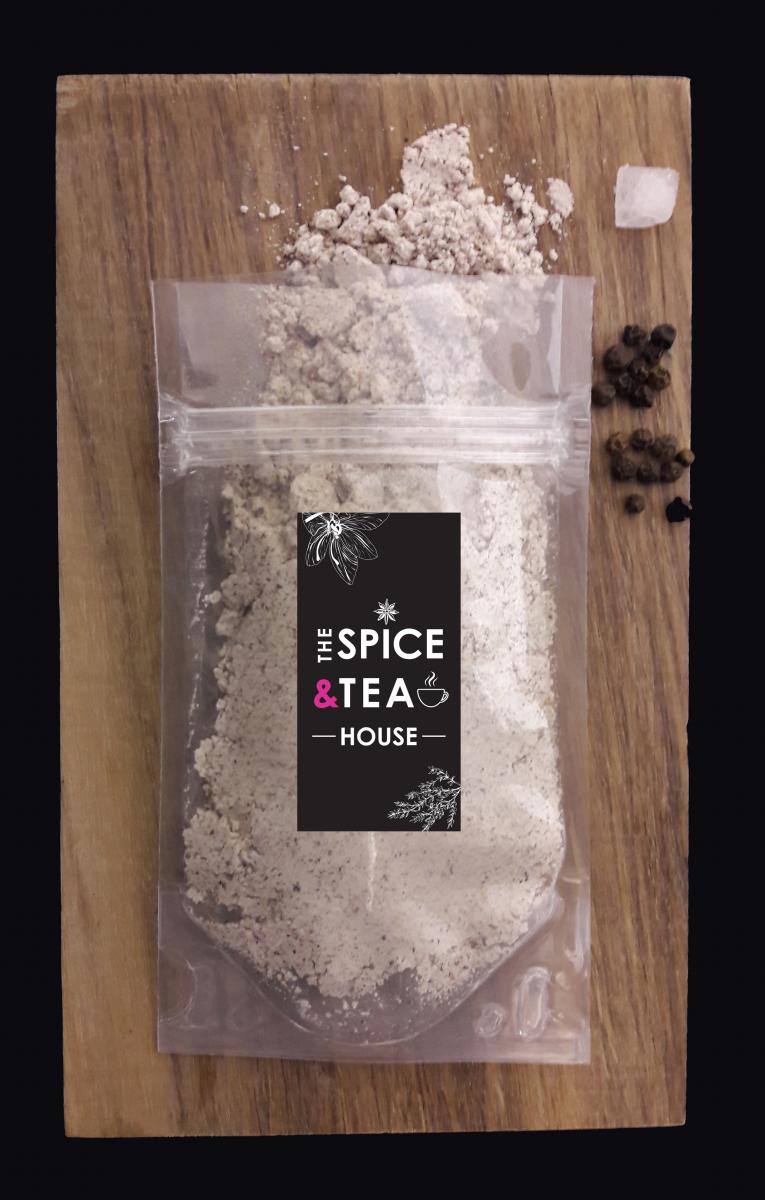
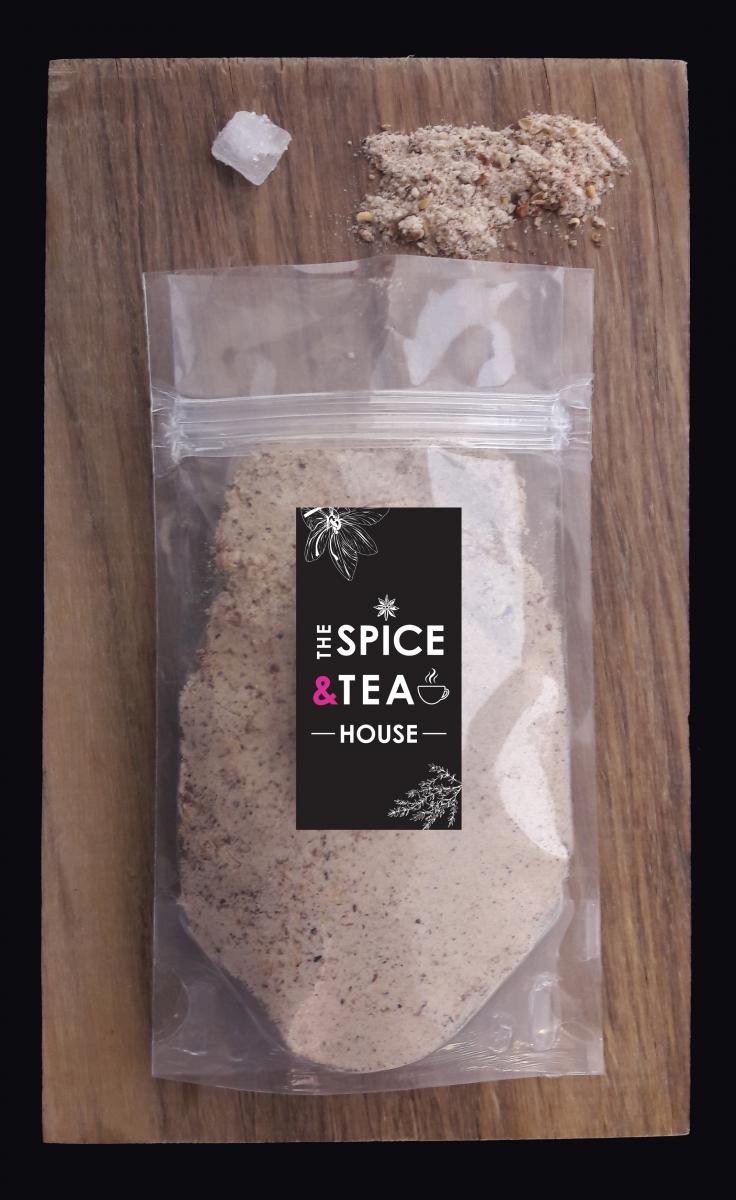
Seasoning : Chinese salt & pepper

This seasoning is a combination of sichuan peppercorn, spices & desert salt.
 
Culinary uses: Can be used as a seasoning to roast crispy duck, chicken or pork or used as a seasoning dip for vegetarian springrolls.

R45,00
50 g

Seasoning: salt & pepper mix (fine)

This seasoning is a mix of desert salt & black pepper for easy use.

Culinary uses: can be used on many dishes eg : boiled eggs and perfect accompaniment for padkos, camping or glamping.

R35,00
50 g

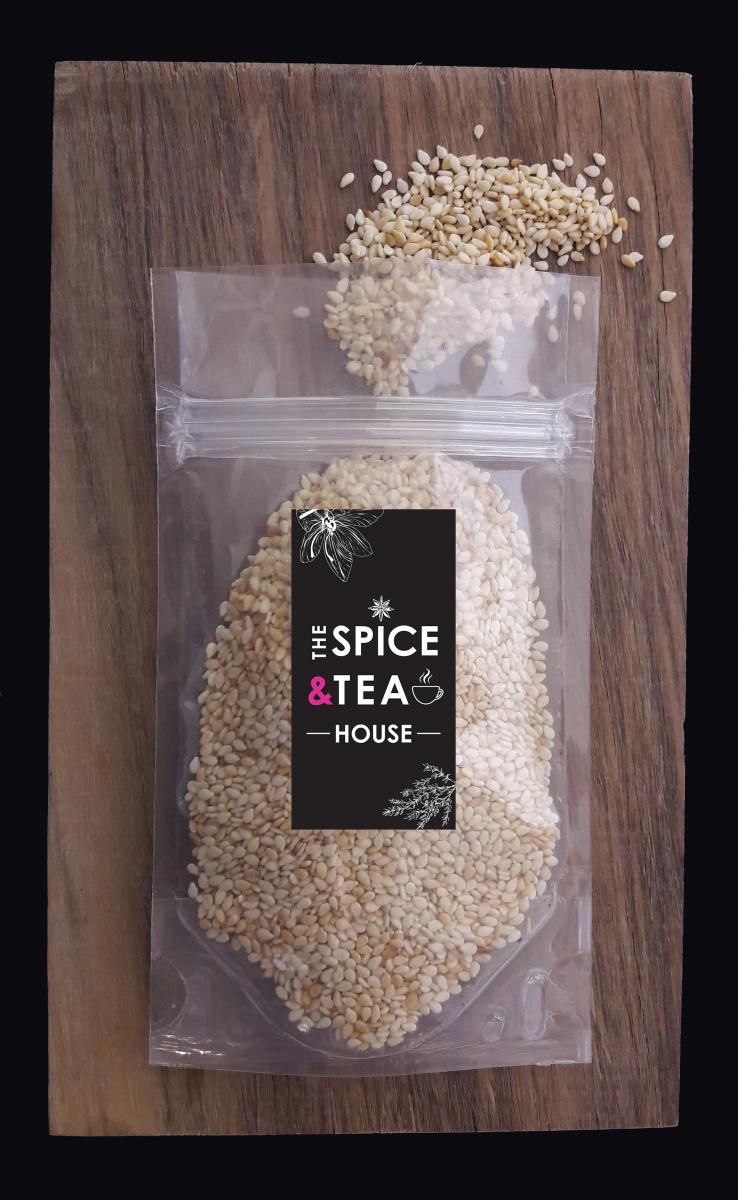
Sesame seed (unroasted)

Family name: Pedaliaceae
Botanical name: Sesamum indicum, syn S. Orientale

Interestingly, sesame probably originated in Africa.

Palate and nose: little aroma but when roasted a mild, sweet and nutty aroma and flavour appears.

Culinary use: sprinkle on salads, avocado, vegetables, rice, sushi, on prawn toast or prawn balls, on chicken, to coat foods before cooking, in or on stir-fries, in dressings for salads, on fruit and in fruit salads, in or on sweet and savoury biscuits, cakes and breads.  It’s also used to make tahini.  Widely used in the Middle East, South East Asia, Japan, Singapore, China and the Mediterranean, Greece and Turkey. Also used on or in a wide variety of confectionery, such as halva and ice-cream.  The oil can be used for cooking, dressings or sauces.


R115,00
1 kg

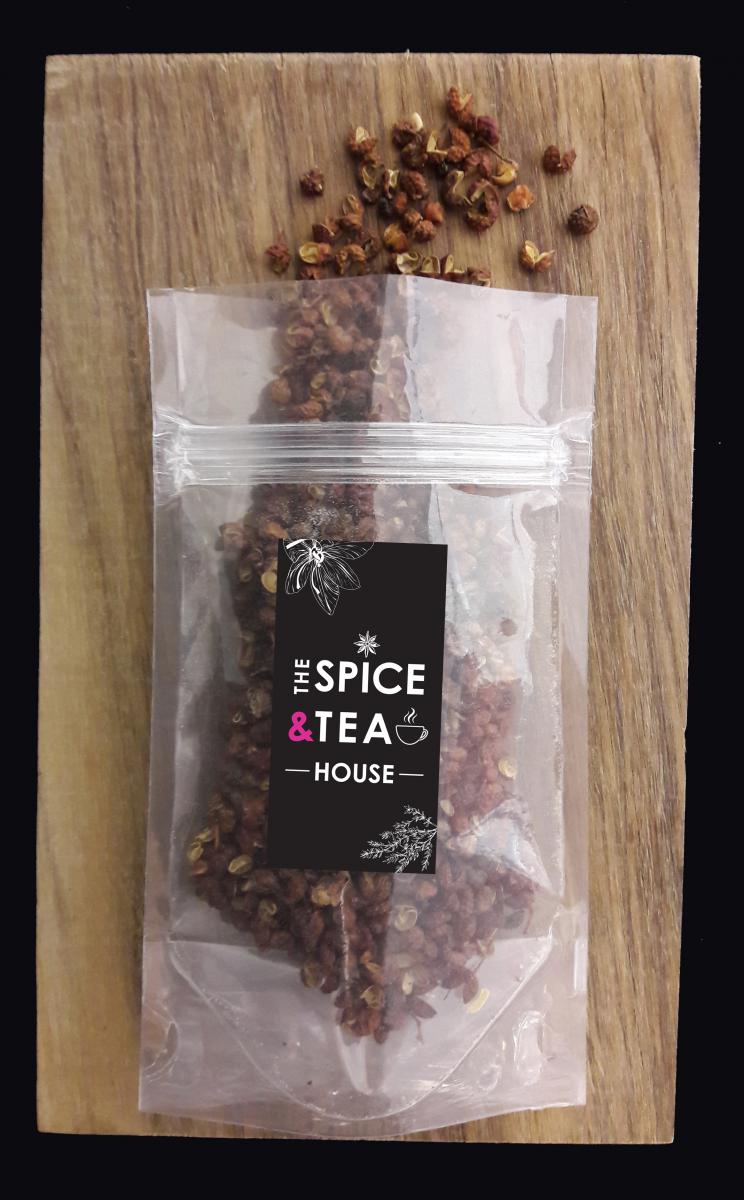
Sichuan peppercorn

Family name: Rutaceae
Botanical name: Zanthoxylum piperitum syn. Xanthoxylum piperatum

An aromatic rust-red berry from the prickly ash tree.

Aroma and flavour: Sichuan has a pronounced spicy-woody aroma with a hint of citrus and a numbling, slightly peppery rather than sharp or bitter taste.

Culinary uses: used extensively in Chinese cuisine and is one of the five ingredients in Chinese 5-spice.  Great with pork, duck and chicken. It is also used in Japanese shichimi togarashi.

Medicinal: is a stimulant and good for blood, digestion and rheumatism.

R35,00
50 g

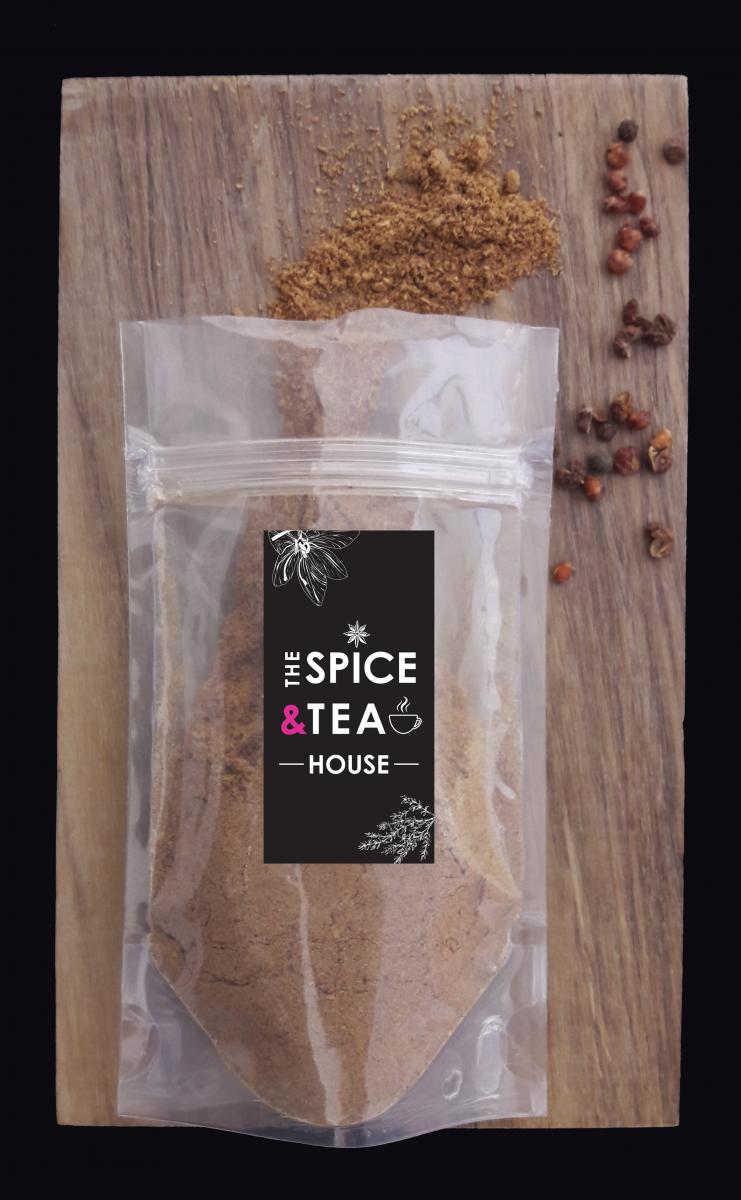
Sichuan peppercorn (ground)

Family name: Rutaceae
Botanical name: Zanthoxylum piperitum syn. Xanthoxylum piperatum

An aromatic rust-red berry from the prickly ash tree.

Aroma and flavour: Sichuan has a pronounced spicy-woody aroma with a hint of citrus and a numbling, slightly peppery rather than sharp or bitter taste.

Culinary uses: used extensively in Chinese cuisine and is one of the five ingredients in Chinese 5-spice.  Great with pork, duck and chicken. It is also used in Japanese shichimi togarashi.

Medicinal: is a stimulant and good for blood, digestion and rheumatism.

R45,00
25 g

Spice blend: Lebkuchen spices

A delicious blend of spices perfect for a typical spicy German Lebkuchen (spicy cookie) or any other cakes, cookies, biscuits and confectionery.

Culinary use: Can be used in a wide variety of baking, biscuits, cakes, puddings, such as fruit cake, gingerbread and Christmas pudding.

R45,00
50 g

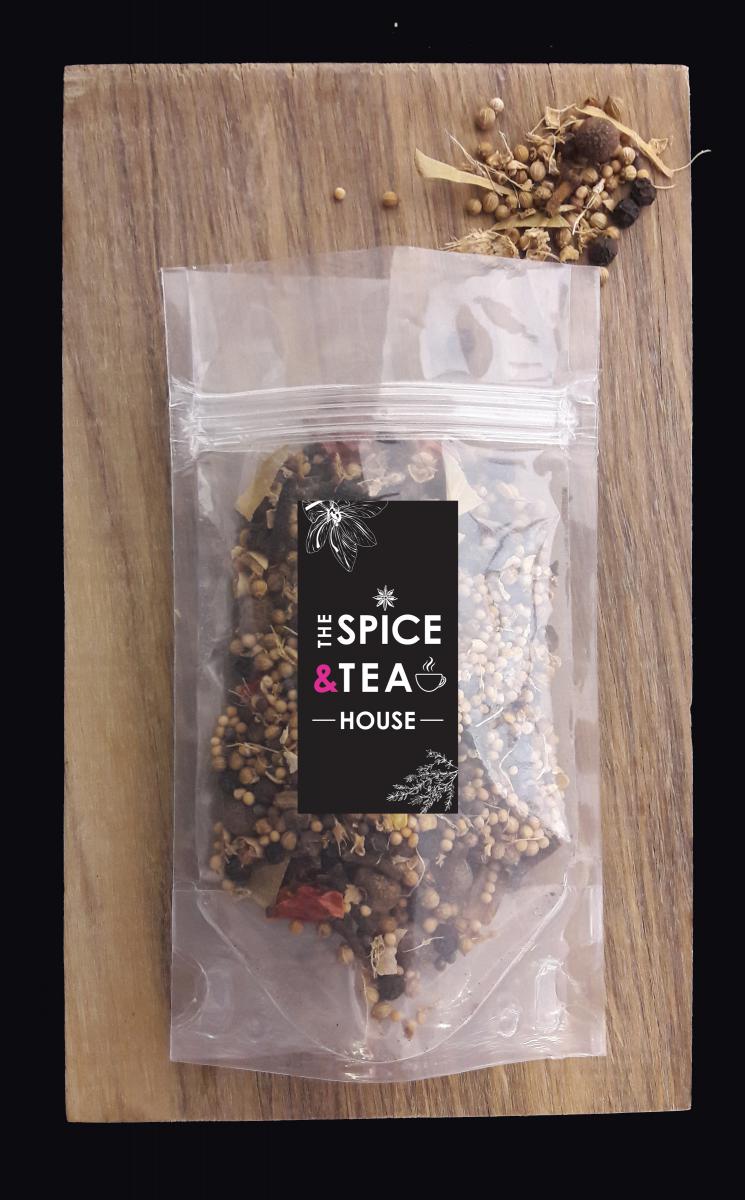
Spice Blend: Pickling Spice

This spice mix is used for pickling many dishes such as pickled onions, vegetables, cucumber, chutneys and fruit.  Tie in a muslin bag, whole or crushed or added straight into the vinegar.

R35,00
50 g

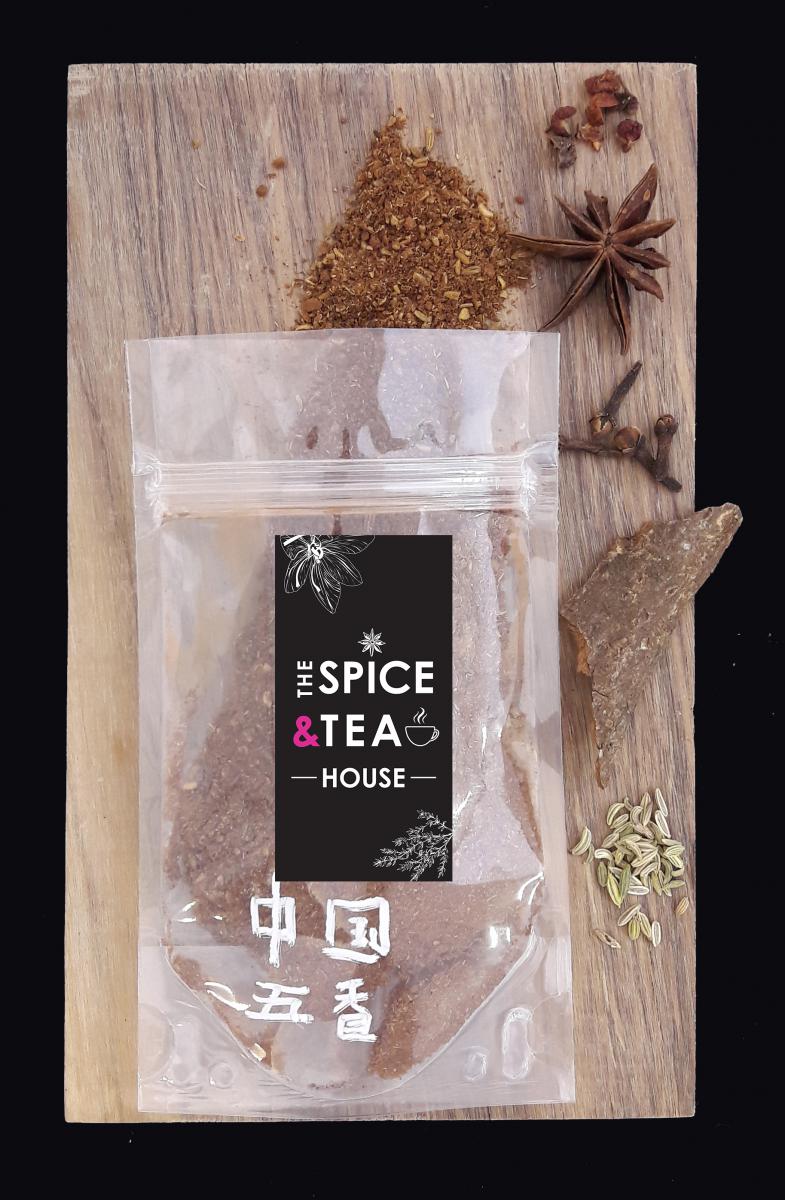
Spice blends: Chinese Five Spice (Chinese)

This is a classic combination of Sichuan peppercorn, cassia bark, fennel, clove and star anise.

Culinary uses:
Absolutely fabulous with duck, pork and chicken. Use as a rub, marinade, spice or seasoning and in noodle dishes.

Medicinal use: all of the various spices above have medicinal qualities.

R45,00
50 g

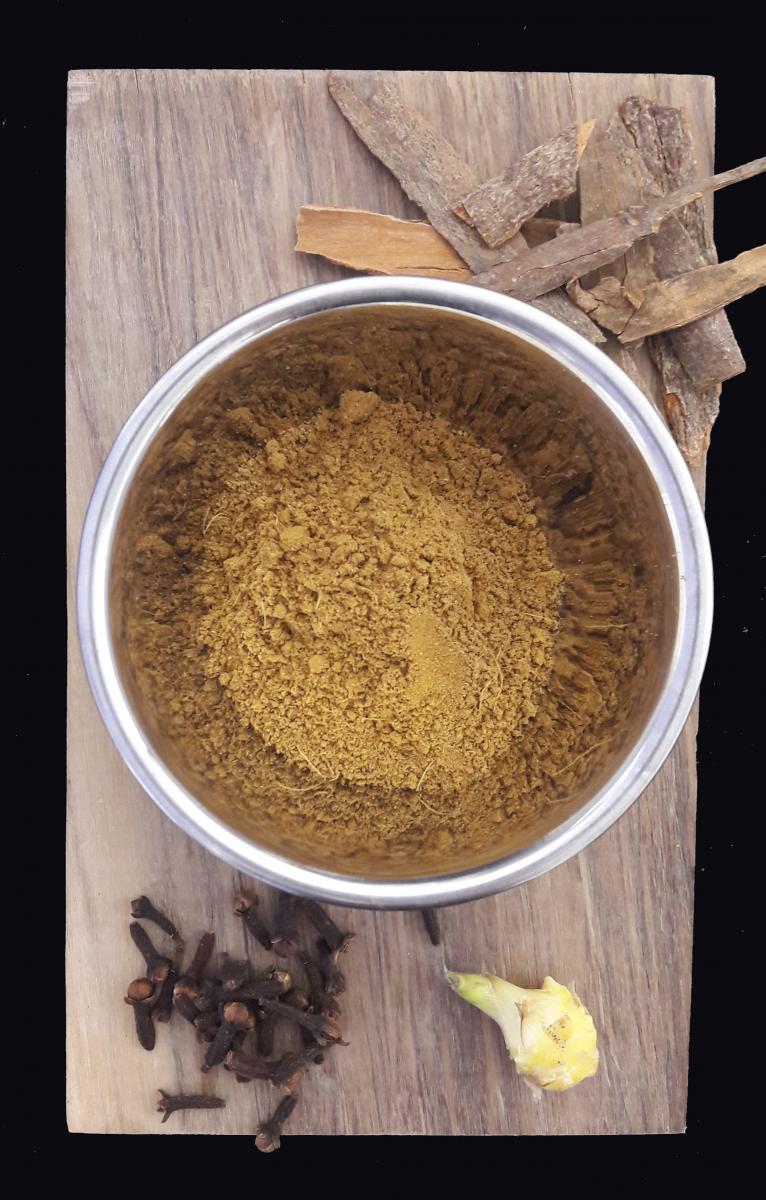
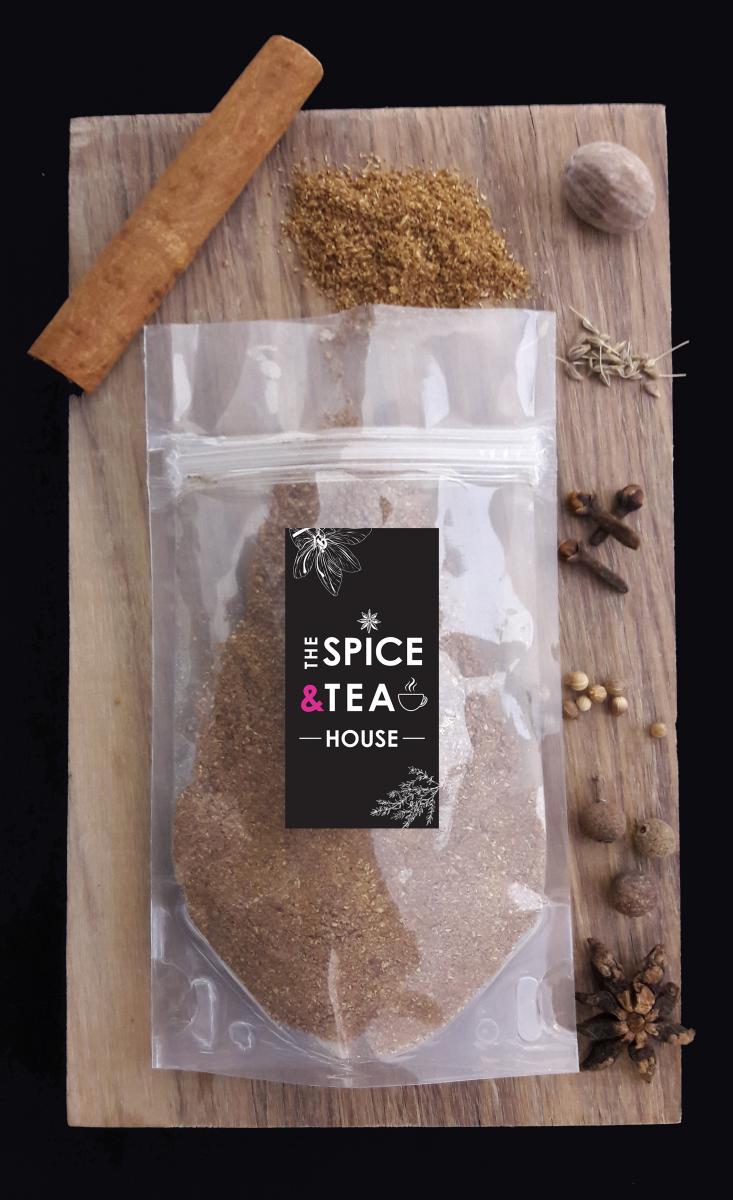
Spice blends: Mixed spice (British)

Mixed spice is typically an English sweet spice blend (also known as pudding spice).  It is not the same as allspice.

Culinary uses:
It includes allspice, cinnamon, cloves, nutmeg, ginger and sometimes, cardamom and coriander seed. Used in a wide variety of confectionery, biscuits, baking, cakes, puddings, such as fruit cake, gingerbread and Christmas pudding.


R25,00
50 g

Spice Blends: Za’atar (Middle Eastern)

Za’atar is a culinary herb found in the Middle East but it is also the name of an aromatic spice mix that includes herbs, toasted sesame seeds, sumac and often salt. Also popular in North Africa.
Culinary: great on, in or sprinkled on various breads before baking, used as a dip or paste with extra virgin olive oil and bread or vegetables, as a seasoning sprinkled on avocado, vegetables, hummus, meatballs, cheese like labneh or haloumi and on fish or chicken before cooking. Yum !


R45,00
50 g

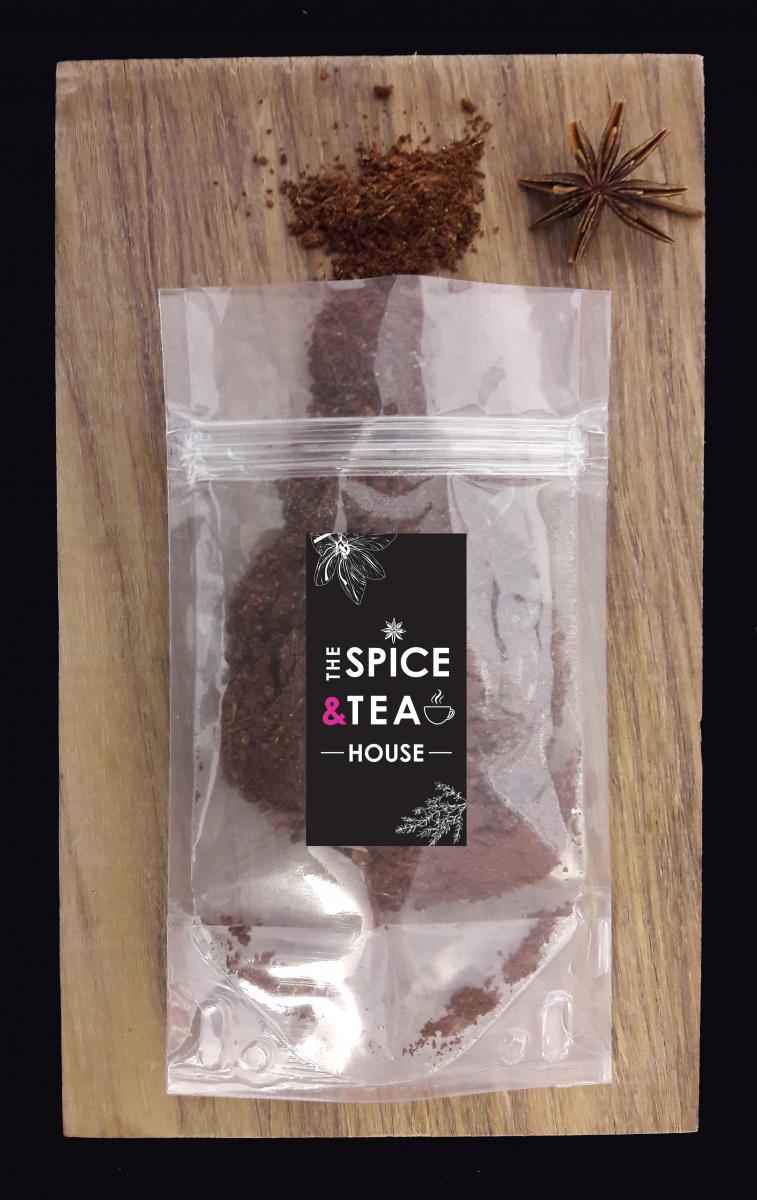
Star Anise (ground)

Family name: Magnoliaceae
Botanical name:  Illicium verum, syn I. anisatum

Aroma and flavour: a distinct liquorice-like aroma and flavour.

Culinary uses: is one of the most important spices in Chinese cuisine and in Chinese 5 - spice and widely used in Indian curries and masalas.   It is also used in confectionery, sweet dishes, desserts and in some alcoholic drinks such as French pastis.

Medicinal uses: used for throat, respiratory and digestion problems.

R28,00
25 g

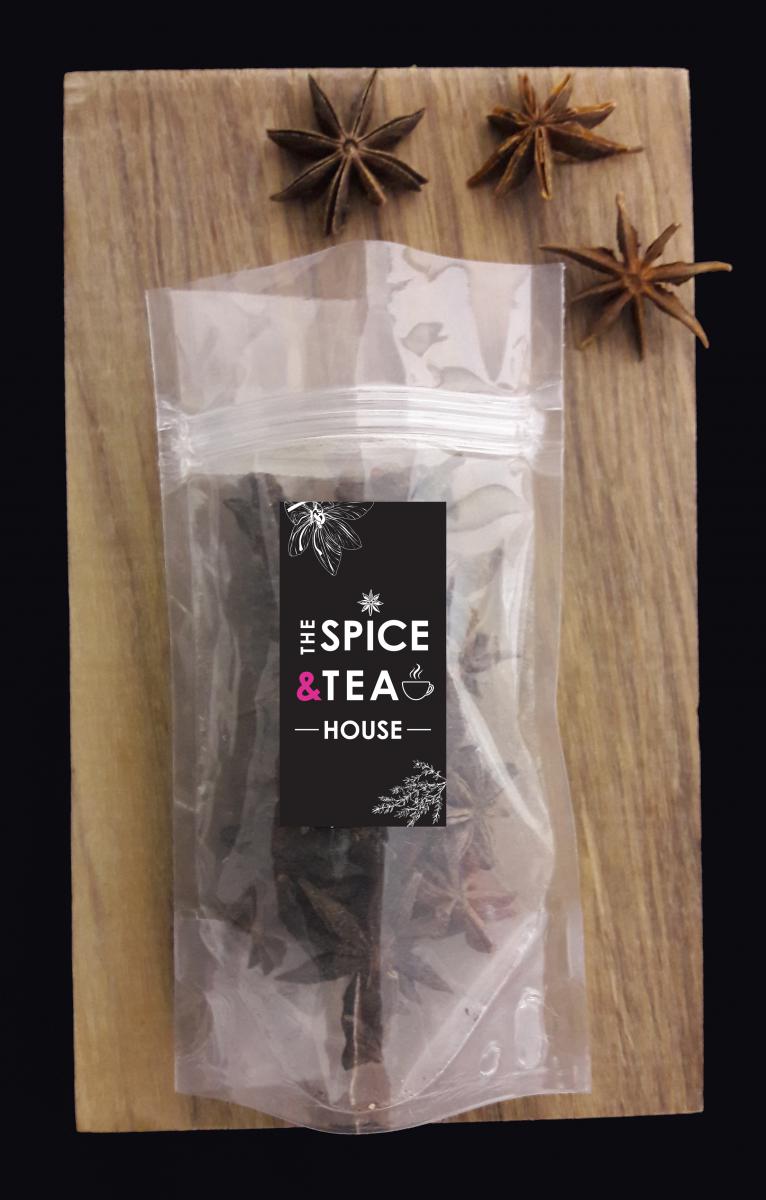
Star Anise (whole)

Family name: Magnoliaceae
Botanical name:  Illicium verum, syn I. anisatum

Aroma and flavour: a distinct liquorice-like aroma and flavour.

Culinary uses: is one of the most important spices in Chinese cuisine and in Chinese 5 - spice and widely used in Indian curries and masalas.   It is also used in confectionery, sweet dishes, desserts and in some alcoholic drinks such as French pastis.

Medicinal uses: used for throat, respiratory and digestion problems.

R20,00
25 g

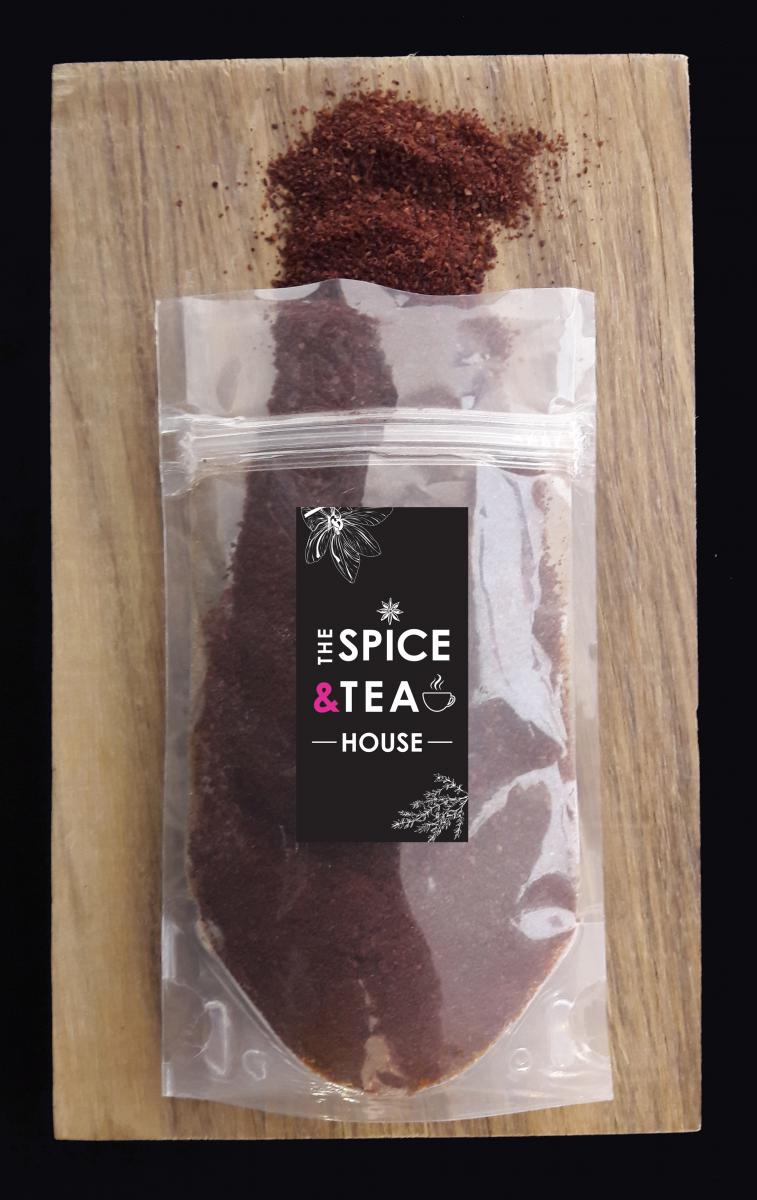
Sumac

Family name: Anacardiaceae
Botanical name: Rhus coriaria

Aroma and flavour: it has little aroma but has a definite, astringent quality, with a pleasing tangy, tart, lemon-like sour-fruit flavour.

Culinary uses: Used in many Middle Eastern dishes and can be used  rubbed onto fish, chicken, steaks, kebabs or prawns before cooking or over potato, beetroot or mixed bean salads.

Medicinal uses: rich in a variety of nutrients and antioxidants and as a potential anti-inflammatory, it may have beneficial effects for stomach disorders, in managing blood sugar levels and alleviating muscle pains.

R25,00
50 g

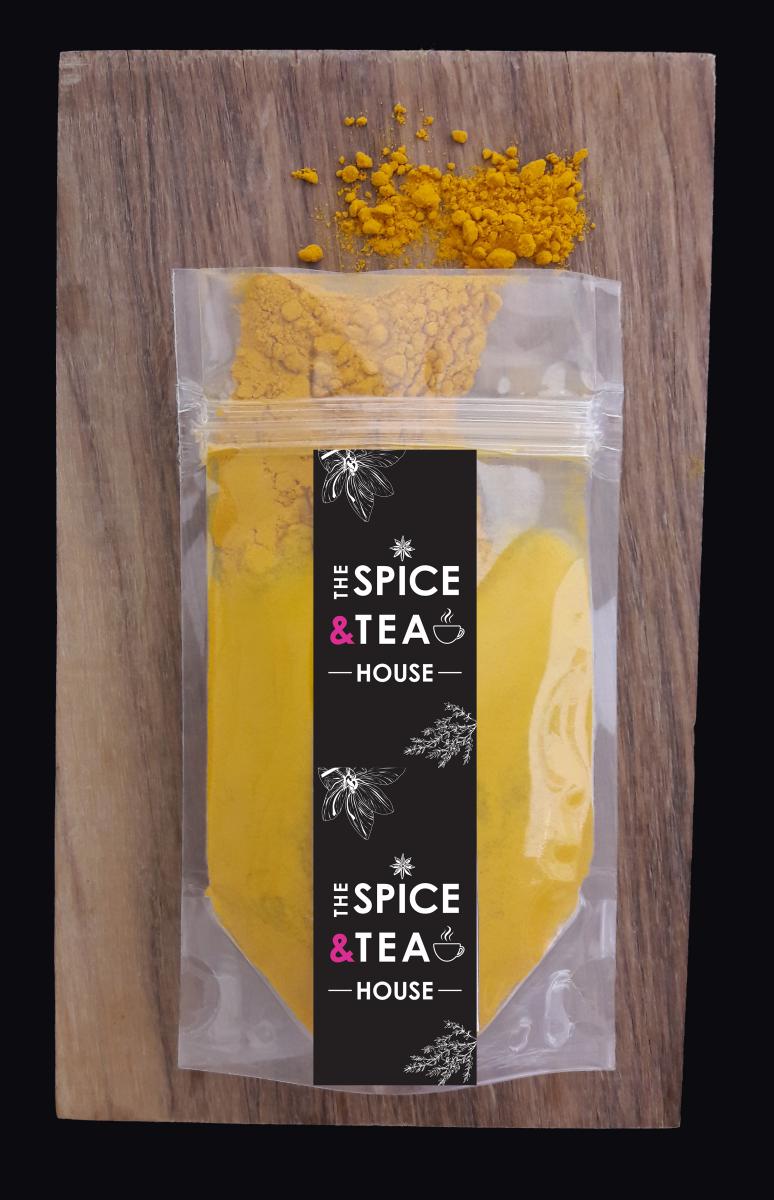
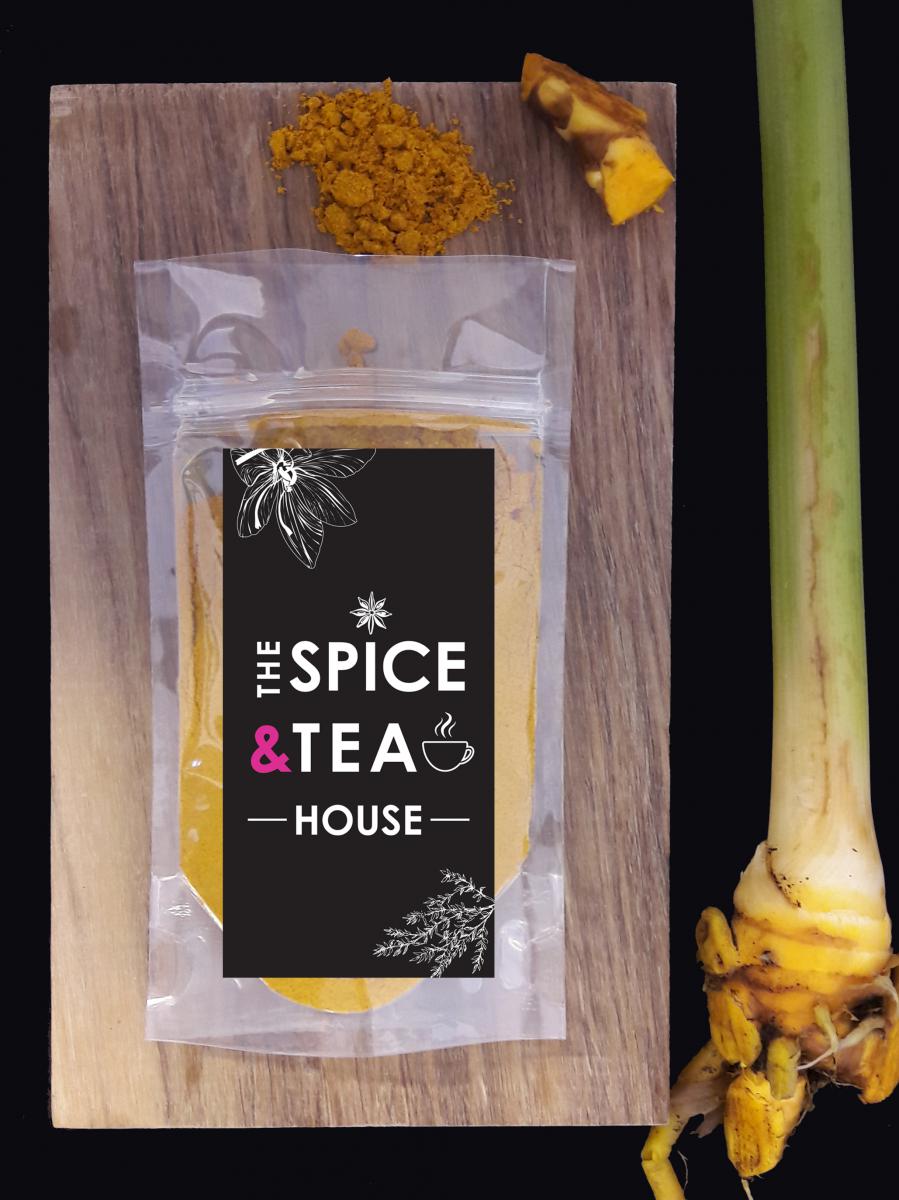
Turmeric (ground)

Family name: Zingiberaceae
Botanical name: Curcurma domestica, syn C. longa

Aroma and flavour:  robust, bright, deep yellow, earthy, woody, musky, slightly peppery and warm with a slightly bitter aftertaste.

Culinary: used in many dishes including Indian and Cape Malay curry dishes, curry powders, masalas, spice blends. pilaus, rices, dahls and vegetables.  For example in Cape Malay yellow rice, bobotie, fish dishes and curries. It can be used in chutneys, pickles, piccalilli and kedgeree. Many North African dishes use it to spice lamb and vegetables.  It also became well known with the Banting diet and in a drink called Golden Milk.

Medicinal: Ayurvedic healing has used turmeric for many centuries.  It has potent anti-septic, anti-inflammatory and healing properties.

R20,00
50 g

Turmeric (organic)

Family name: Zingiberaceae
Botanical name: Curcurma domestica, syn C. longa

Aroma and flavour:  robust, bright, deep yellow, earthy, woody, musky, slightly peppery and warm with a slightly bitter aftertaste.

Culinary: used in many dishes including Indian and Cape Malay curry dishes, curry powders, masalas, spice blends. pilaus, rices, dahls and vegetables.  For example in Cape Malay yellow rice, bobotie, fish dishes and curries. It can be used in chutneys, pickles, piccalilli and kedgeree. Many North African dishes use it to spice lamb and vegetables.  It also became well known with the Banting diet and in a drink called Golden Milk.

Medicinal: Ayurvedic healing has used turmeric for many centuries.  It has potent anti-septic, anti-inflammatory and healing properties.


R25,00
50 g

Vanilla (Pod)

(Madagascan Bourbon Vanilla)
Family name: Orchidaceae
Botanical name: Vanilla Fragrans, syn V. Planifolia

Aroma and flavour: real vanilla has a rich, mellow, perfumed, tabacco-like aroma with a mellow, fragrant, fruity- sweet taste.  

Culinary uses: Vanilla has many culinary uses, mainly in sweet dishes (but can be used in savoury dishes too!) and confectionery, such as ice-cream, biscuits, cakes, puddings, desserts, custards, chocolate, fruit, sugars, drinks, teas and liqueurs such as Galliano and Creme de Cacao.

Medicinal uses: smelling vanilla reduces anxiety and has a calming effect, is a pick-me-up and helps soothe digestion. Attributed with aphrodisiac qualities.

R68
(1 Pod)

R68,00
3 g