
Activated Charcoal & Clove Soap
This is a hand-crafted soap made with activated charcoal, clove and coconut oil.


This is a hand-crafted soap made with activated charcoal, clove and coconut oil.
Fresh whole and ground spices (non-irradiated & gluten-free)
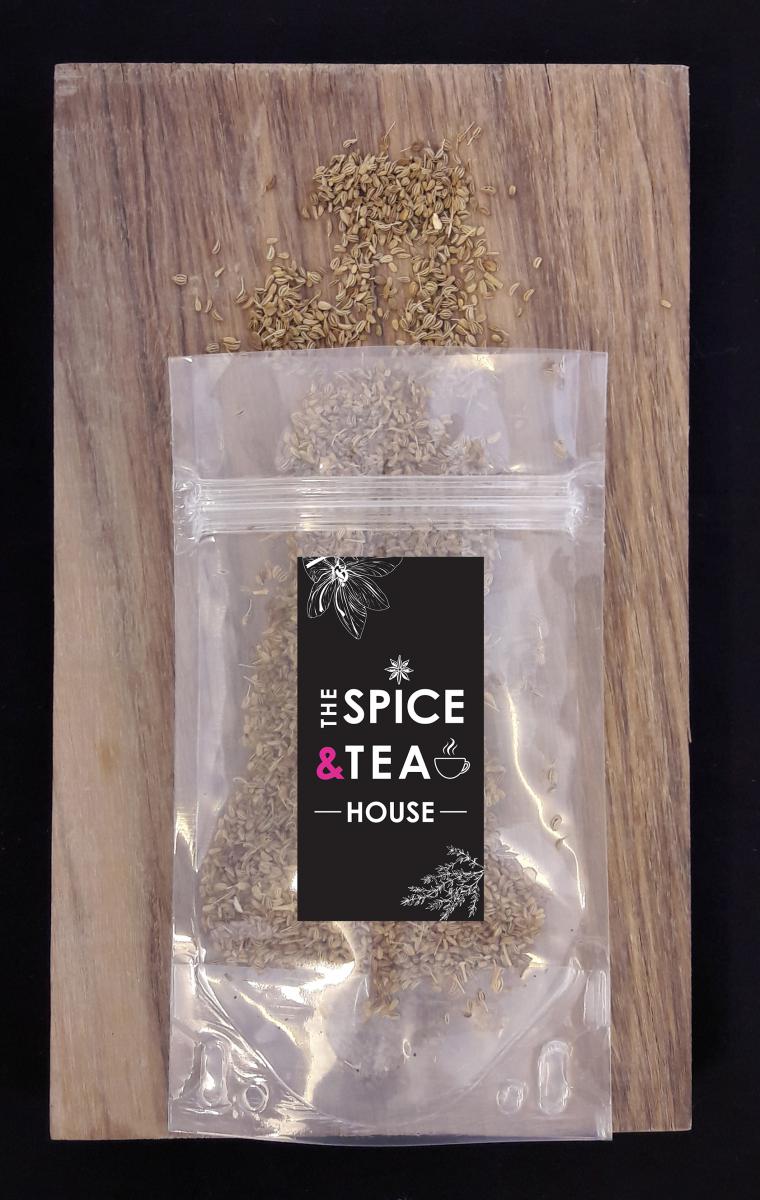
(also known as Ajwain/Ajowan/Carom)
Family name: Umbelliferae
Botanical name: Carum ajowan
Aroma and flavour: the celery-like, striped seed (similar to caraway and cumin seeds in appearance) are used as the spice. They have a strong and distinctive thyme-like bouquet but are MUCH stronger in taste. Use sparingly. Until crushed, the seeds have little aroma, the taste being hot, bitter and stinging if eaten alone but with other ingredients ajmo adds a more subdued flavour of thyme.
Culinary uses: popular in Indian savoury recipes such as savoury pastries, snacks (sev) and breads like parathas, bean and pulses and has an affinity for starchy foods. It also goes well with root vegetables, fish and fish curries. Many pickles include ajmo.
Medicinal: in India the seeds are used to ease asthma, indigestion and flatulence (hence often used with pulses). Its thymol content makes it a potent fungicide and antiseptic.
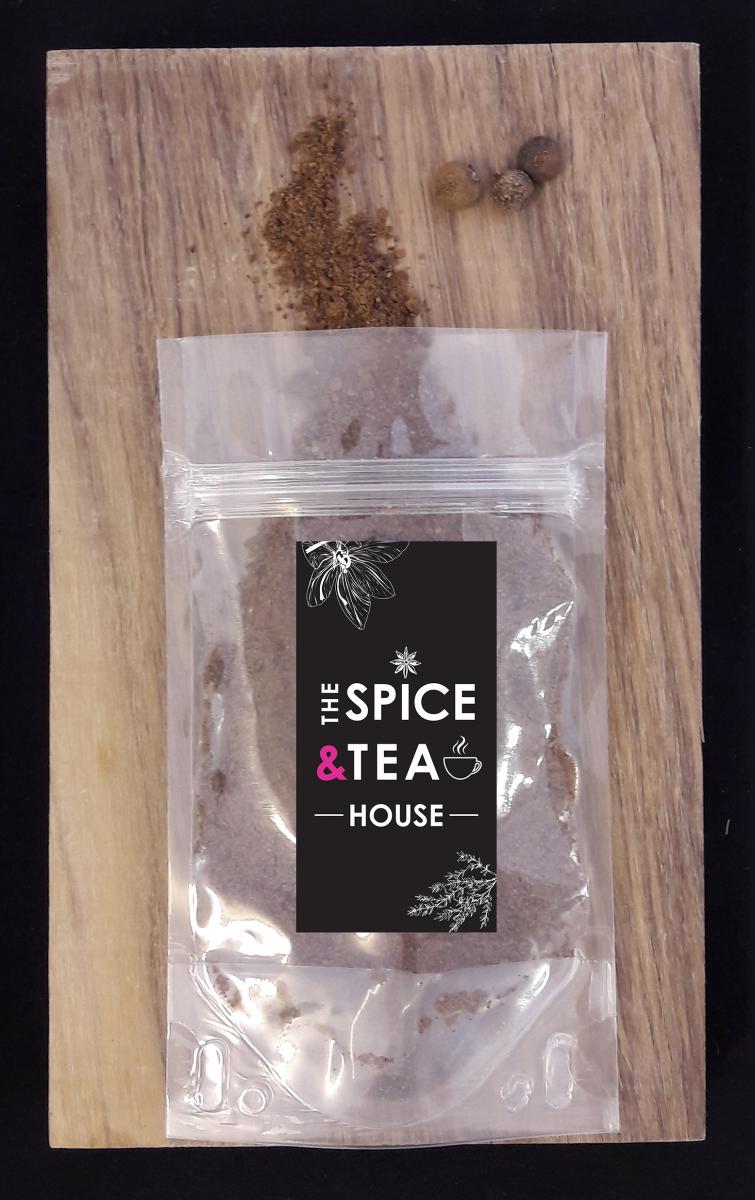
Family name: Myrtaceae
Botanical name: Pimenta dioica
Culinary uses: the spice smells of cloves, nutmeg and cinnamon with a hint of peppercorn. Used in sweet and savoury dishes such as baking, sweets, biscuits, festive baking and in some drinks such as mulled wine. Sometimes used in curry powder blends, preserves, chutneys and herring dishes.
Medicinal uses: is an antiseptic and aids flatulence.
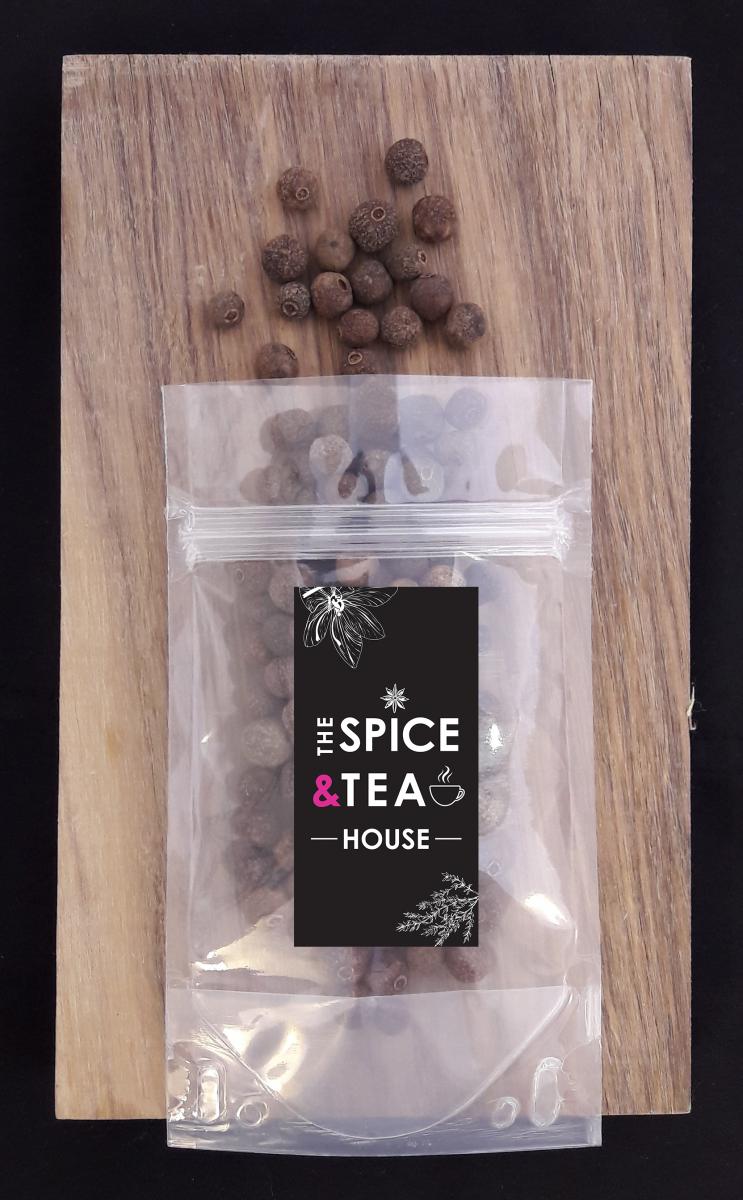
Family name: Myrtaceae
Botanical name: Pimenta dioica
Culinary uses: the spice smells of cloves, nutmeg and cinnamon with a hint of peppercorn. Used in sweet and savoury dishes such as baking, sweets, biscuits, festive baking and in some drinks such as mulled wine. Sometimes used in curry powder blends, preserves, chutneys and herring dishes.
Medicinal uses: is an antiseptic and aids flatulence.
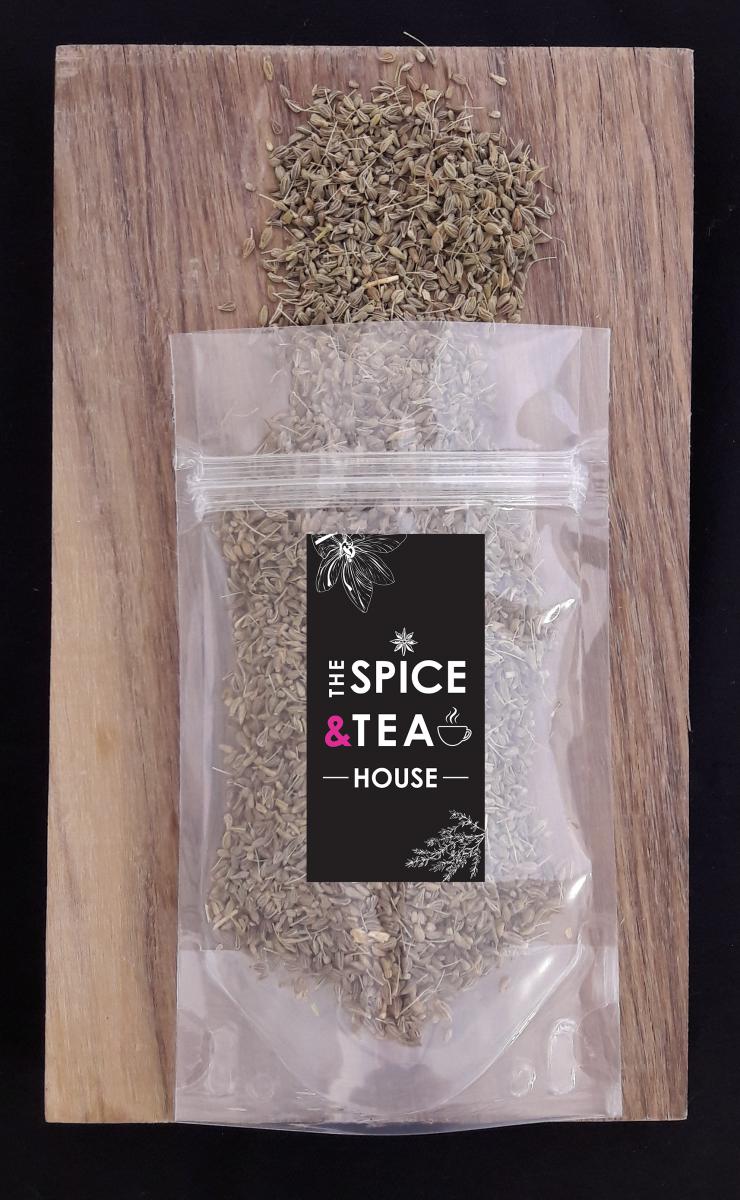
Family name: Umbelliferae Botanical
Name: Pimpinella anisum Culinary
Uses: Delicately sweet and aromatic bouquet with a distinctive liquorice flavour, similar to fennel. Used in sweet and savoury dishes, in breads (such as rye), soups, sauces, biscuits, cakes, confectionery and baking. Wonderful in fish dishes and some sausages and also used in drinks such as pastis and ouzo. Medicinal uses: good for cough and sore throat. Good for digestion and is an antiseptic.
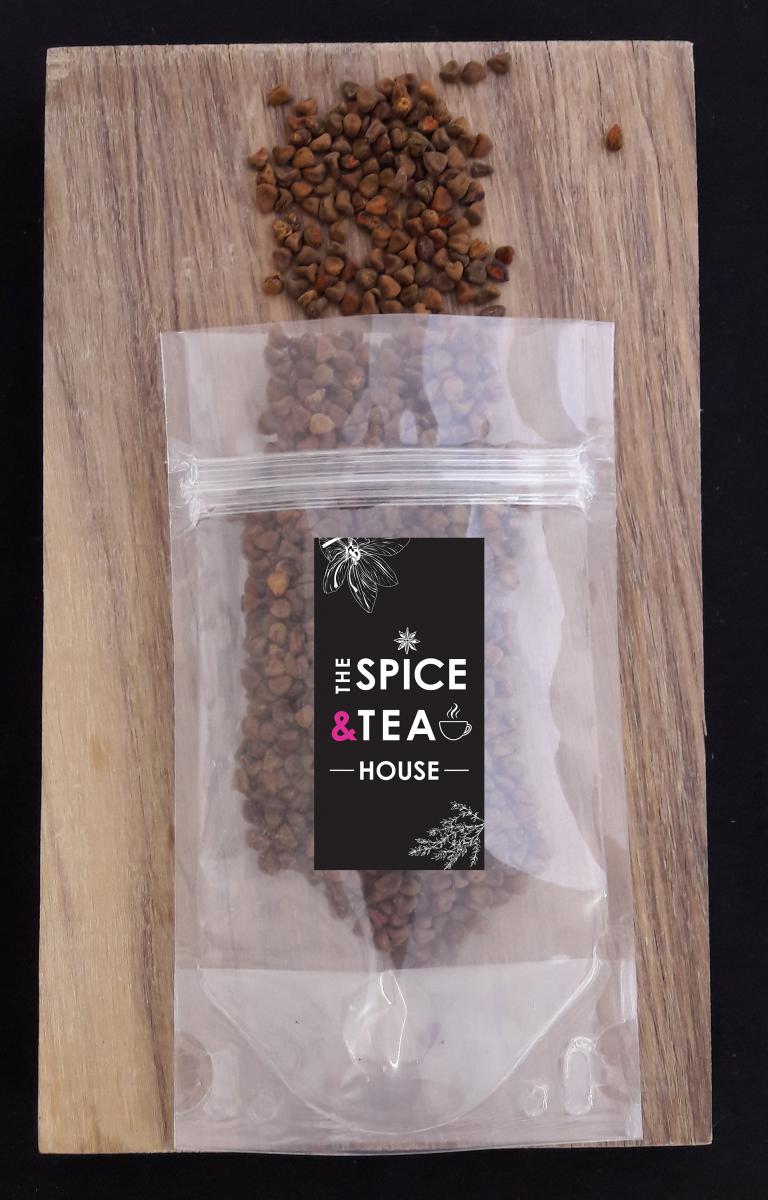
Family name: Bixaceae
Botanical name: Bixa orellana
Aroma and flavour: brick-red, triangular seeds with a rich colour and no noticeable smell, with an earthy, slightly “peppery” taste. It has a strikingly beautiful orange-red colour when infused. Described by the Mayan Indians as the ‘colour of fire’ ! The colour comes from carotenoids.
Culinary uses: used for flavouring and colour in cheese-making and in flavouring and dying oils. It’s used in Jamaican and Filipino cuisine in various sauces and dishes, such as salt cod, ackee and adobo.
Medicinal and other uses: can be used safely as a dye and linked to several health benefits such as eye health, heart health, cancer prevention, as an anti-inflammatory, an antimicrobial and an antioxidant.
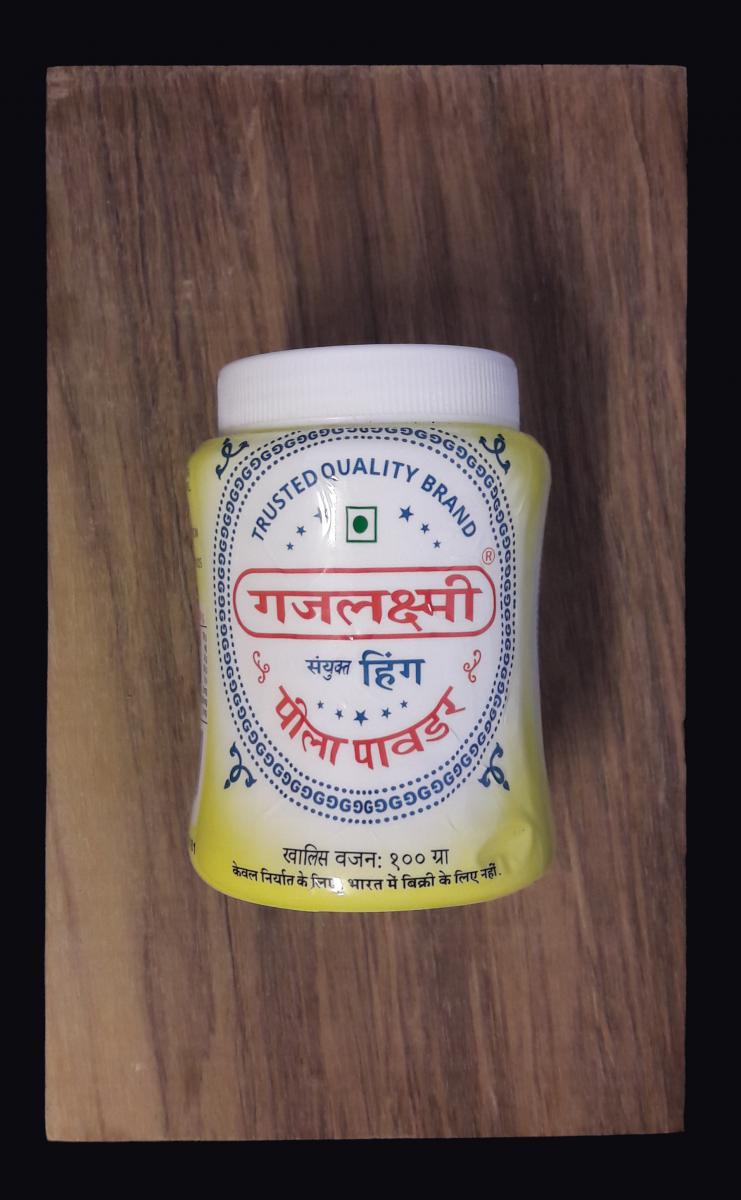
Family name: Umbellifereae
Botanical name: Ferula asafoetida
Hing is the dried latex (gum oleoresin) extracted from the Ferula Assa-Foetida plant.
Culinary uses: It is used widely in Indian cuisine, especially in dahls, curries, vegetables, legumes, fish, pickles and pulses. It adds a garlic-onion flavour and decreases the flatulence associated with pulses.
Medicinal uses: helps with flatulence.
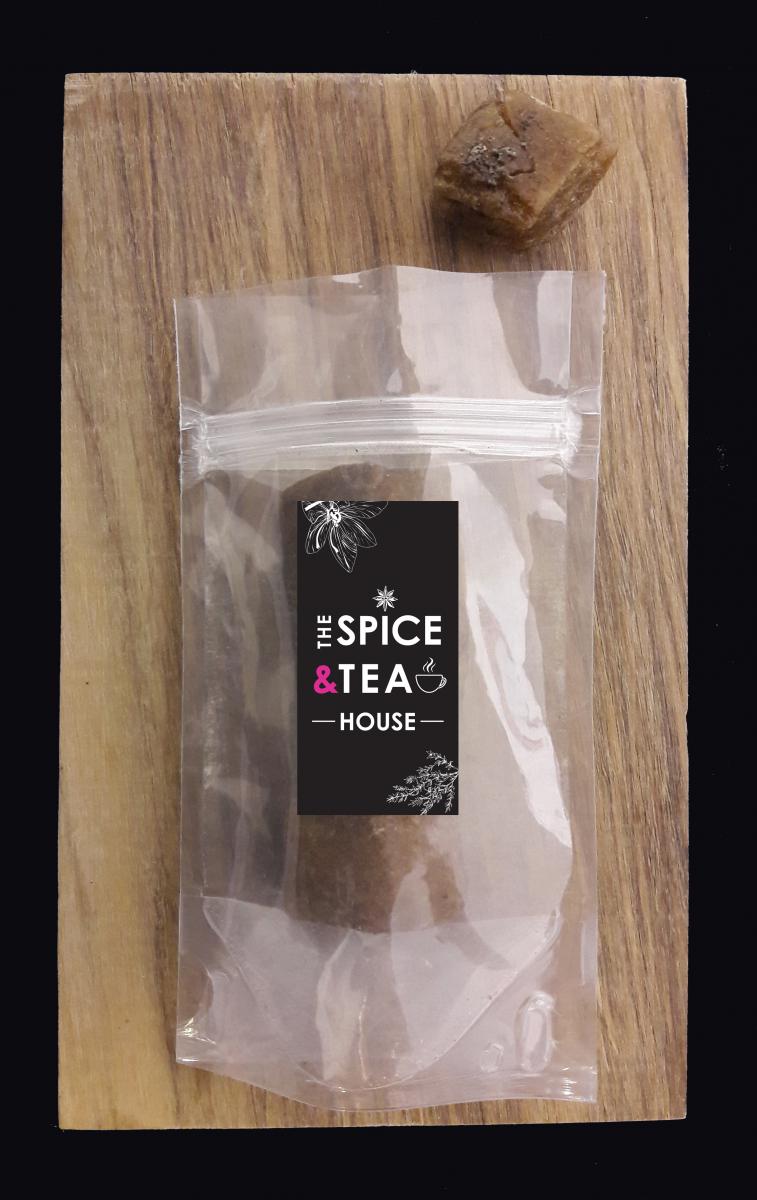
Family name: Umbellifereae
Botanical name: Ferula asafoetida
Hing is the dried latex (gum oleoresin) extracted from the Ferula Assa-Foetida plant.
Culinary uses: It is used widely in Indian cuisine, especially in dahls, curries, vegetables, legumes, fish, pickles and pulses. It adds a garlic-onion flavour and decreases the flatulence associated with pulses.
Medicinal uses: helps with flatulence.
R20 (3 blocks of hing)
25-35g (depending on weight of each block of hing)
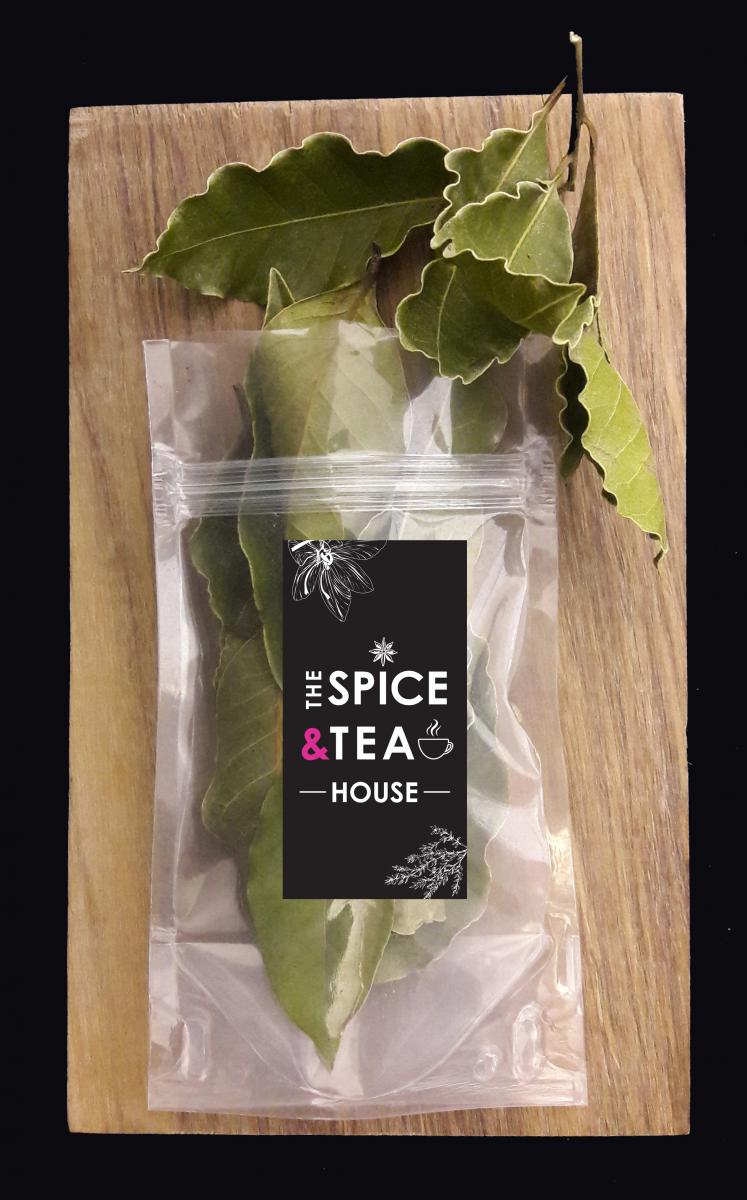
Family name: Lauracea
Botanical name: Laurus nobilis
Culinary uses: The leaves give off a pungent and warm bouquet when broken. When slightly wilted, they are strongly aromatic. Bay leaves can be used fresh or dried. It is one of the ingredients of the classic bouquet garni and is used in many classic sauces such as bechamel and tomato sauce and in contemporary dishes such as Filipino adobo and Portuguese caldo verde. It can be added to seafood, poulty, meat, rices, vegetables, soups, stews, marinades, threaded on skewers of ingredients for braaing/grilling or laid in a pan for roasting or baking. Bay leaf is often used for pickling foods and surprisingly, it can also be used in certain sweet dishes, custards and creams.
Medicinal: it has astringent, diuretic and digestive qualities and is an appetite stimulant.
Other: it can be used in rice etc to discourage insects.
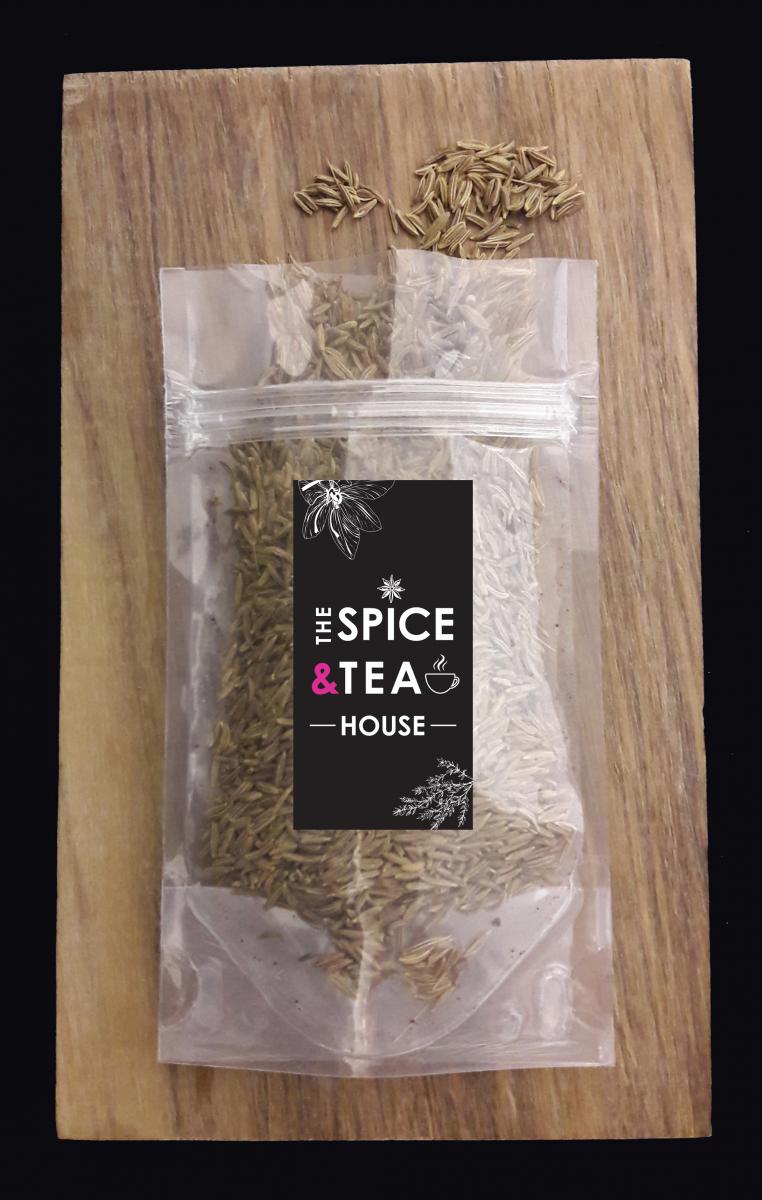
Family name: Umbelliferae
Botanical name: Carum carvi
Culinary: has a warm, sweet and slightly peppery aroma. Their distinct flavour has a hint of fennel or aniseed and a slight eucalyptus-y tang. Used extensively in Eastern European, German and Austrian dishes, it can be used in sweet and savoury dishes, such as sauerkraut, cabbage soups, coleslaw, goulash, potato and cheese-based dishes. It flavours bread, rye, cakes, seed cakes and biscuits, as well as, cheeses, sausages and other meats. It can also be used in drinks and liqueurs such as Kummel, Scandinavian Aquavit, gin, schnapps, as well as a tisane.
Medicinal: good for stomach ailments and aids digestion.
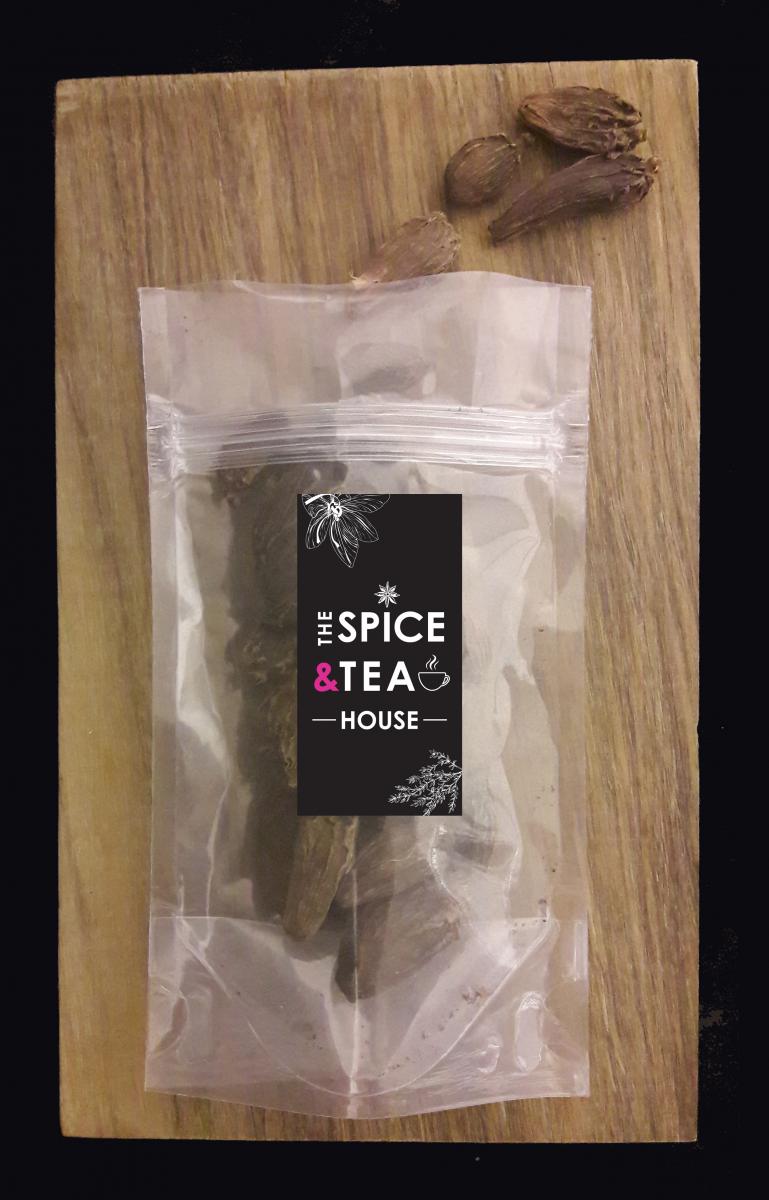
Family name: Zingiberaceae
Botanical name: Amomum subulatum
Culinary: the large, hairy, brown-black seed pods have a strong, camphor-like flavour, with a smoky character derived from the traditional method of drying over open flames.
Used in savoury dishes in Indian cuisine. The pods are used as a spice, in a similar manner to green cardamom but with this different flavour profile. Unlike green cardamom, this spice is rarely used in sweet dishes.
Medicinal: can be used for stomach disorders
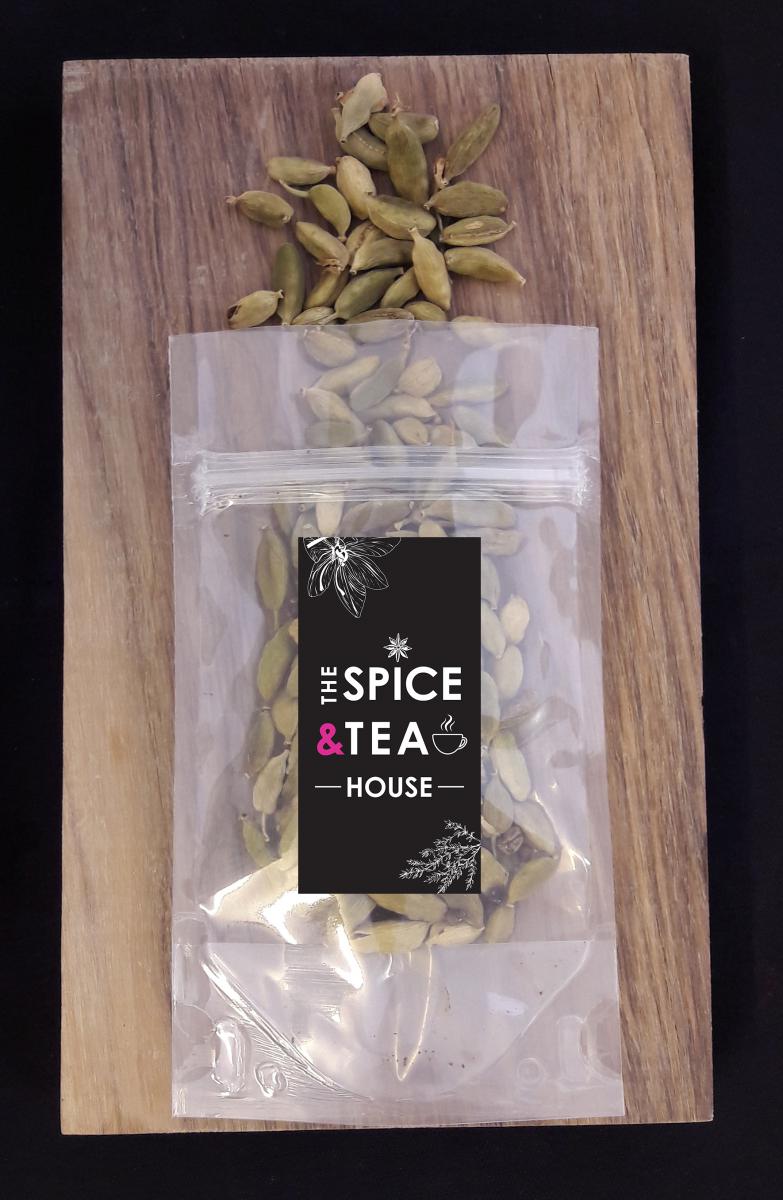
Family name: Zingiberaceae
Botanical name: Elettaria cardamomum
Culinary uses: Cardamom can be used in both savoury and sweet dishes and is used in many cuisines from around the world. It can be used in curries, pilau’s, in pickling spice and in spice blends such as garam masala. It is used in Indian food, Cape Malay, East African spice blends, Middle Eastern dishes, European and many more cuisines and dishes from around the world. Used in many sweet dishes such as kulfi, cardamom ice-cream, milk puddings, desserts, chai and coffee.
Medicinal uses: believed to aid digestion.
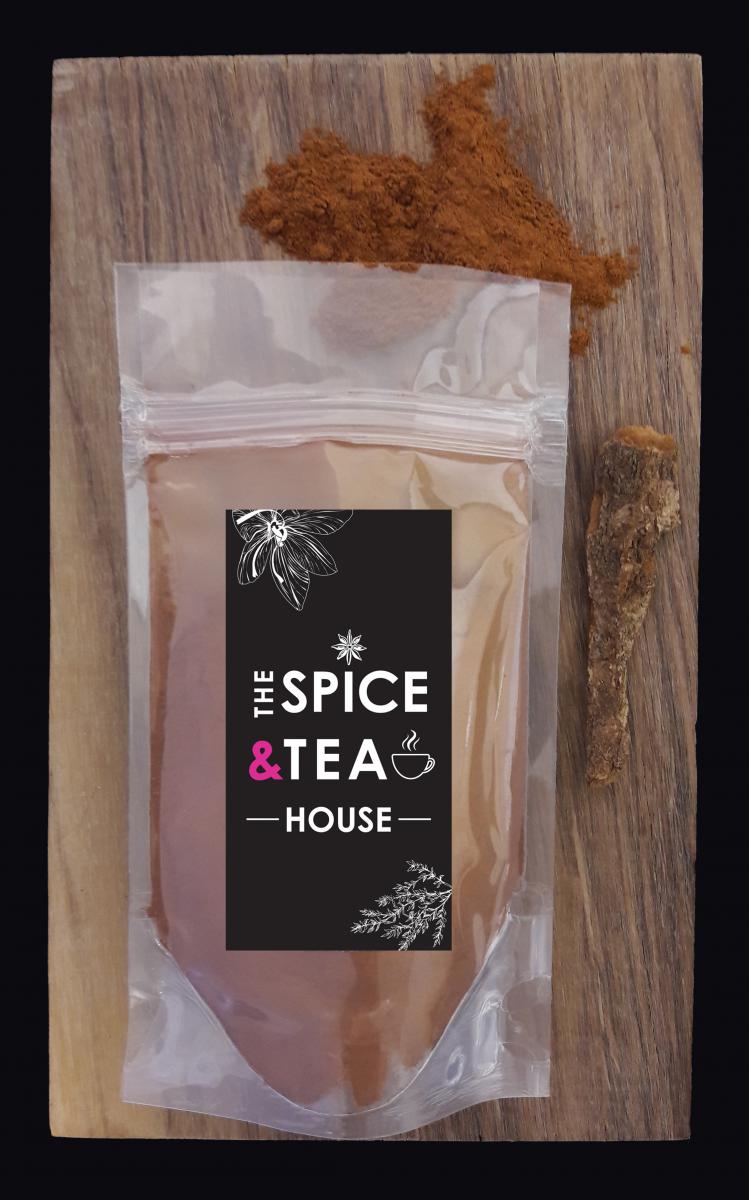
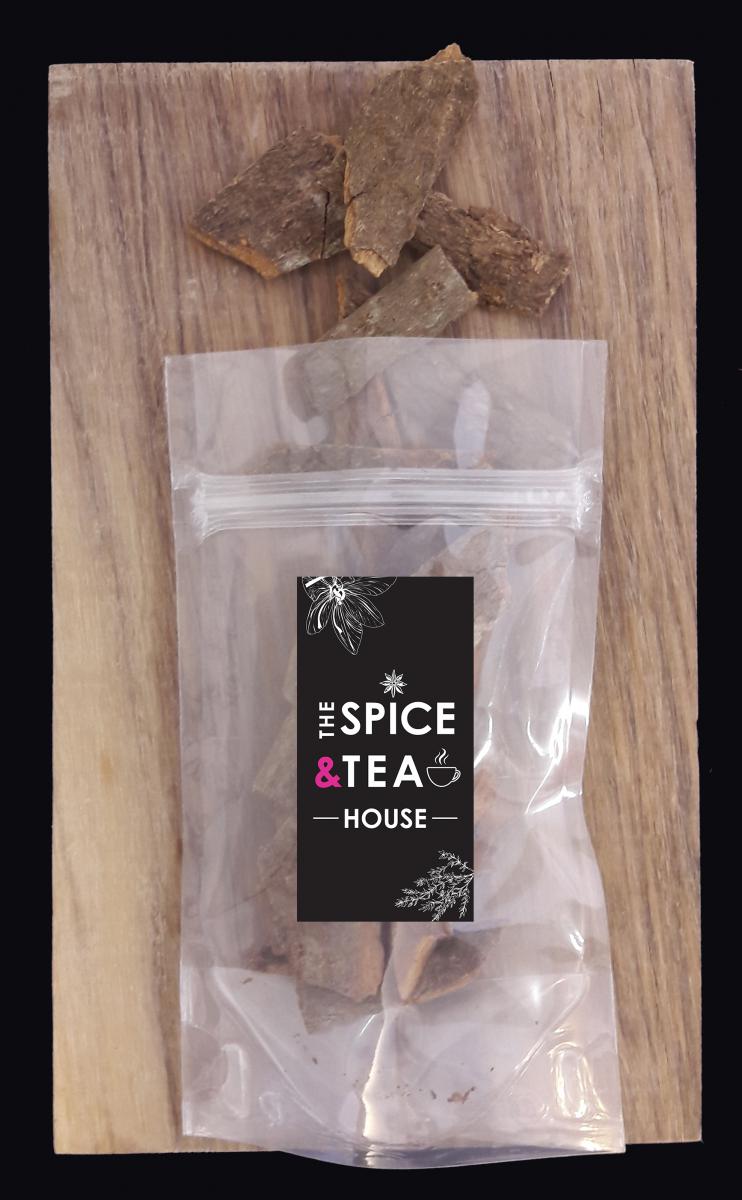
Family name: Lauraceae
Botanical name: Cinnamomum cassia
Culinary uses: generally used in savoury dishes but can be used almost interchangeably with cinnamon but with a coarser texture and more robust taste. It can be used in curries, pickling spice, Indian and Cape Malay cuisines and is an important ingredient in Chinese 5-spice. It also be used in sweet dishes, such as flavouring chocolate and stewed fruit such as rhubarb and apple. It is NOT the poor country cousin of Cinnamon but a spice in its own right.
Medicinal uses: used often in traditional Chinese medicine, the oil can be used in some inhalants, tonics, also to help with flatulence, stomach ailments, malaise, diarrhoea, ease headache, promote healthy digestion and normal blood sugar levels. It has anti-inflammatory, antipyretic, antifungal and antibacterial effects.
Origin: usually Myanmar, Indonesia or Sri Lanka
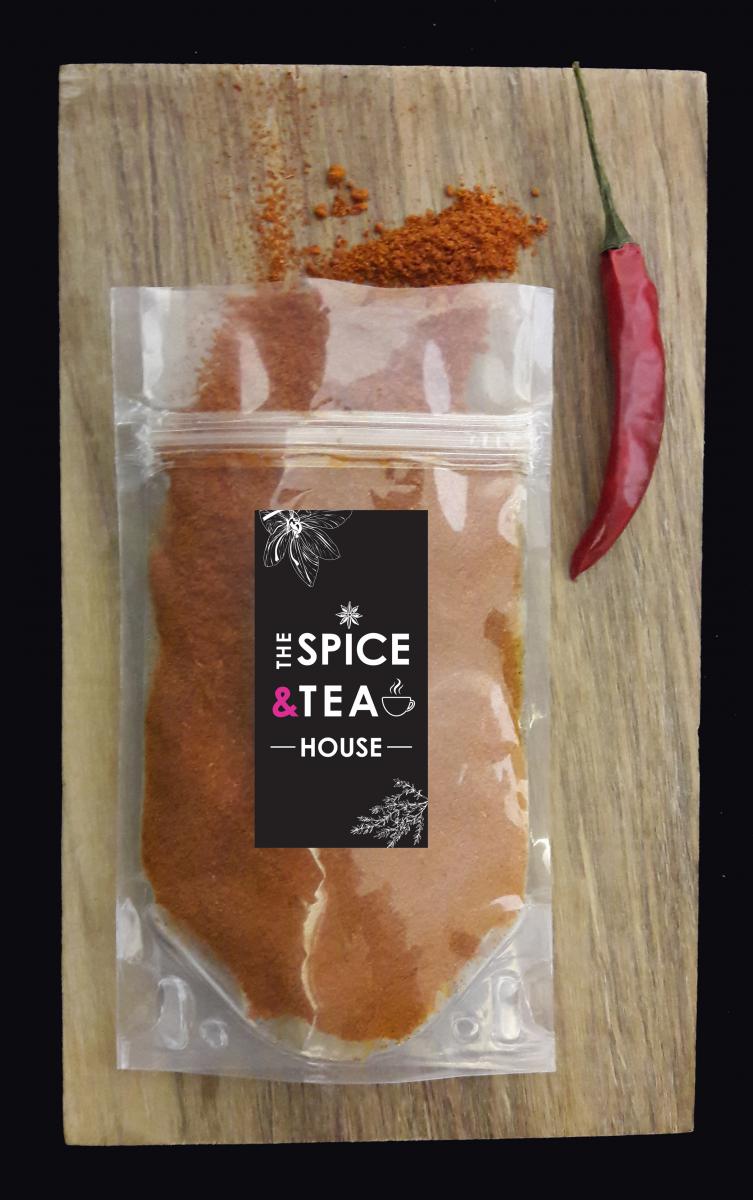
Family name: Lauraceae
Botanical name: Cinnamomum cassia
Culinary uses: generally used in savoury dishes but can be used almost interchangeably with cinnamon. The bark is coarser and the flavour more pungent and robust in taste. It can be used in curries, pickling spice, mixed spice, spice blends, Indian and Cape Malay cuisines and is an important ingredient in Chinese 5-spice. It also be used in sweet dishes, such as flavouring chocolate and stewed fruit, rhubarb and apple. It is NOT the poor country cousin of Cinnamon but a spice in its own right.
Medicinal uses: used often in traditional Chinese medicine, the oil can be used in some inhalants, tonics, also to help with flatulence, stomach ailments, malaise, diarrhoea, headaches, to promote healthy digestion and normal blood sugar levels. It has anti-inflammatory, antipyretic, antifungal and antibacterial properties.
Origin: usually Myanmar, Indonesia or Sri Lanka
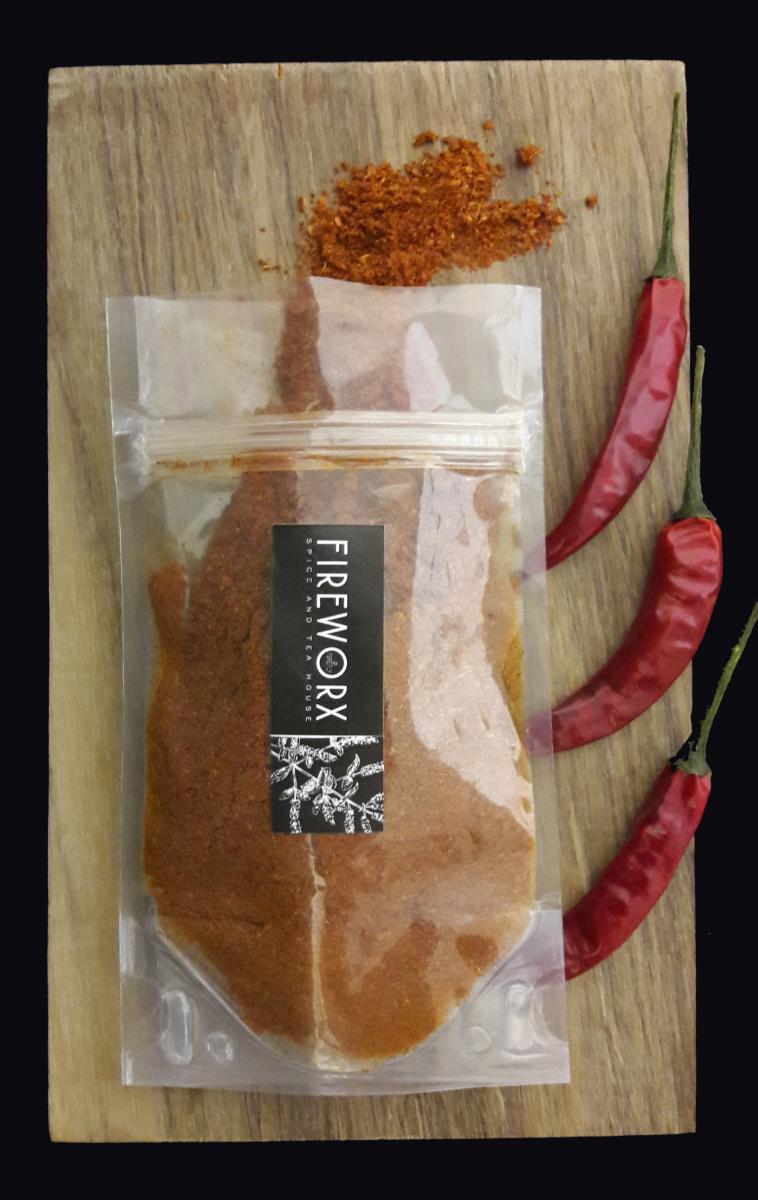
Family name: Solanaceae
Botanical name: Capsicum Frutescens
Named after its origin in the Cayenne region of French Guyana.
Culinary uses: as a seasoning in savoury biscuits, cheese, egg dishes and in some curries. In Mexican, Asian, Indian and Southern cooking, among others. It also gained prominence with the Banting diet. Just a pinch adds a sweet-spicy heat to an entire pot of beans, enchilada sauce, fried chicken, or even mac n' cheese and gives a little kick for dry-rubs for meat and seafood.
Heat : +- 3/10 (heat is subjective)
Medicinal: high in Vit A, C and antioxidants. It aids digestion and improves circulation and may reduce cholestrol, blood fat/lipid levels and help decrease obesity. It lowers blood pressure, helps reduce appetite and has pain-relieving properties for eg : arthritis. Heals muscle, joint pain and damaged tissue. It also has anti-inflammatory properties and decreases plaque formation in artery walls.
Family name: Solanaceae
Botanical name: Capsicum Frutescens/annuum
Culinary : made from a variety of chillies. Used in many dishes including curries, marinades, rubs, sauces, dressings for a spicy and fiery chilli flavour and heat. Used in many cuisines, including Tex-Mex, Chinese, Indian, Korean, Mexican, Portuguese and Thai.
Heat scale: +- 6-8/10 (heat is subjective)
Medicinal: high in anti-oxidants, Vitamin A & C. Capsaicin in chillies is known to increase fat burning and reduce appetite. It reduces food cravings and increases metabolism, both beneficial for weight loss. Capsaicin is also thermogenic.
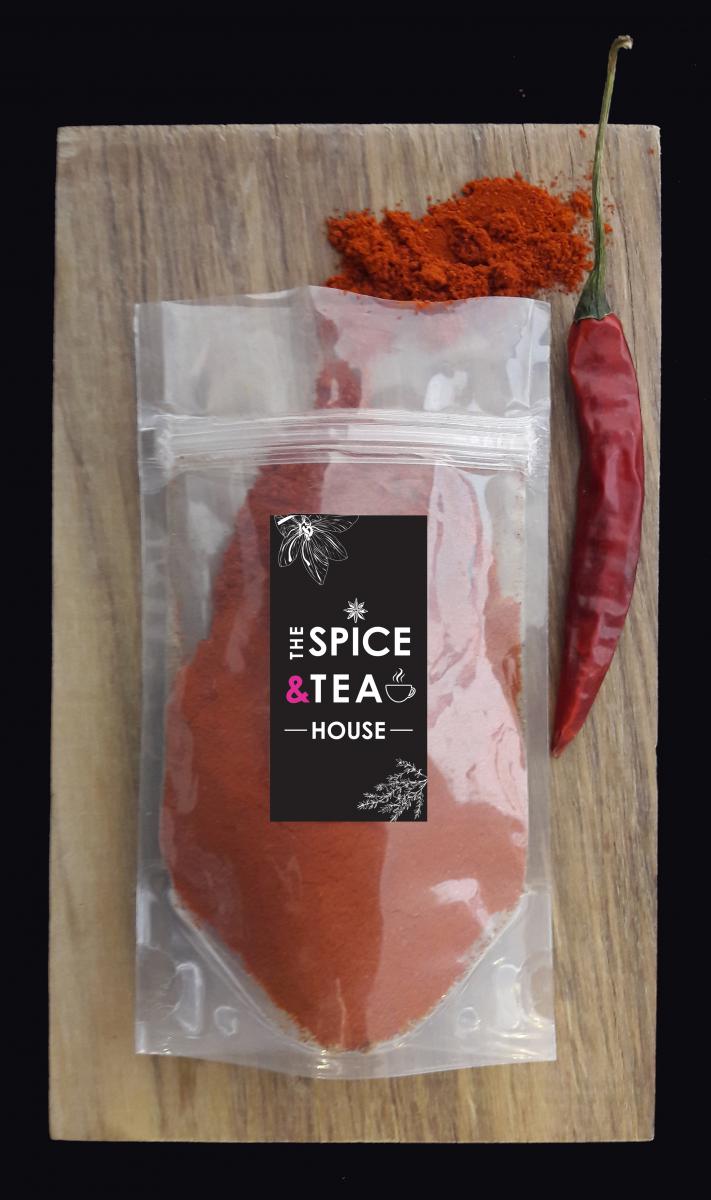
Family name: Solanaceae
Botanical name: Capsicum Frutescens/annuum
Culinary: Grown in Indian, Kashmiri chilli is hotter than paprika and milder than cayenne, When it comes to the spice level, Kashmiri chilies are not particularly spicy. At best, these provide a mild heat level and are perfect if you require a moderate level of spiciness in your food. They are better used for their gorgeous red colour and delicious, zingy aroma than intense heat and spice.
Heat strength: 6-8/10 (heat is a subjective) ???????
Medicinal: Chillies are high in Vit A, Vitamin C and anti-oxidants. Capsaicin in chillies is known to increase fat burning and reduce appetite. It reduces food cravings and increases metabolism, both beneficial for weight loss. Capsaicin is also thermogenic.
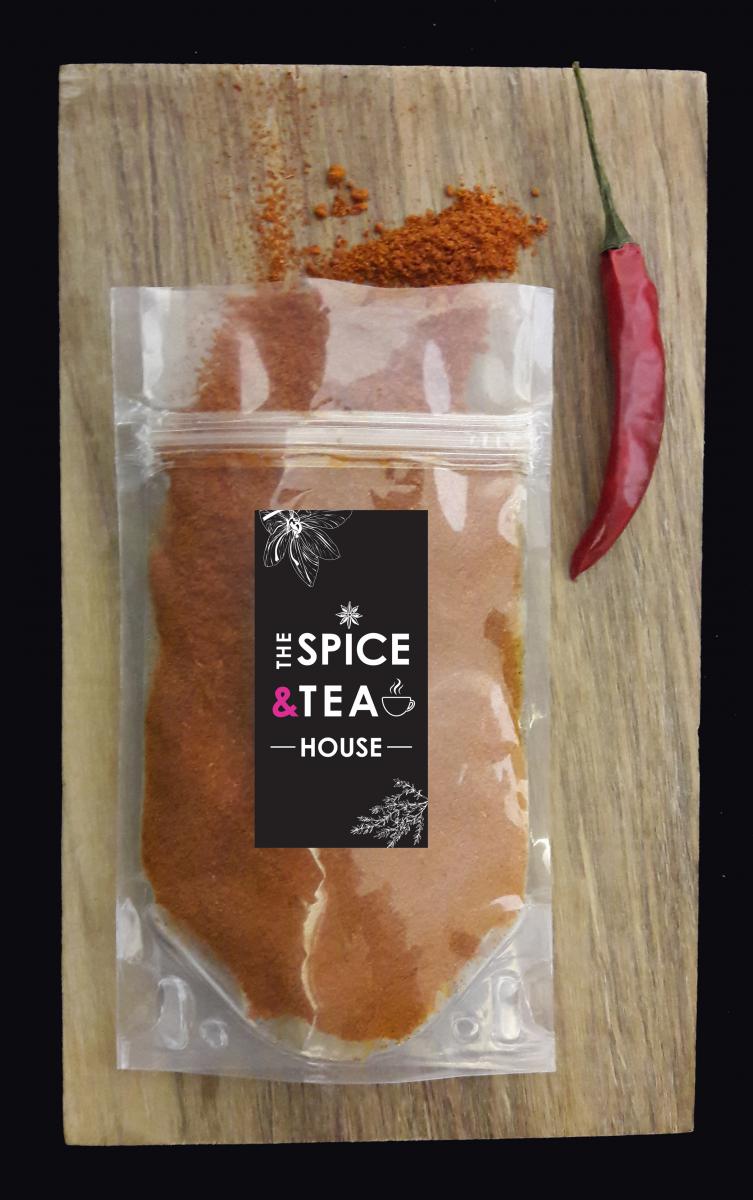
Family name: Solanaceae
Botanical name: Capsicum Frutescens/annuum
Culinary : made from a variety of chillies. Used in many dishes including curries, marinades, rubs, sauces, dressings for a mildly spicy chilli flavour and heat. Used in many cuisines, including Tex-Mex, Chinese, Indian, Korean, Mexican, Portuguese and Thai.
Heat scale: +- 2-3/10 (heat is subjective)
Medicinal: high in anti-oxidants, Vitamin A & C. Capsaicin in chillies is known to increase fat burning and reduce appetite. It reduces food cravings and increases metabolism, both beneficial for weight loss. Capsaicin is also thermogenic.
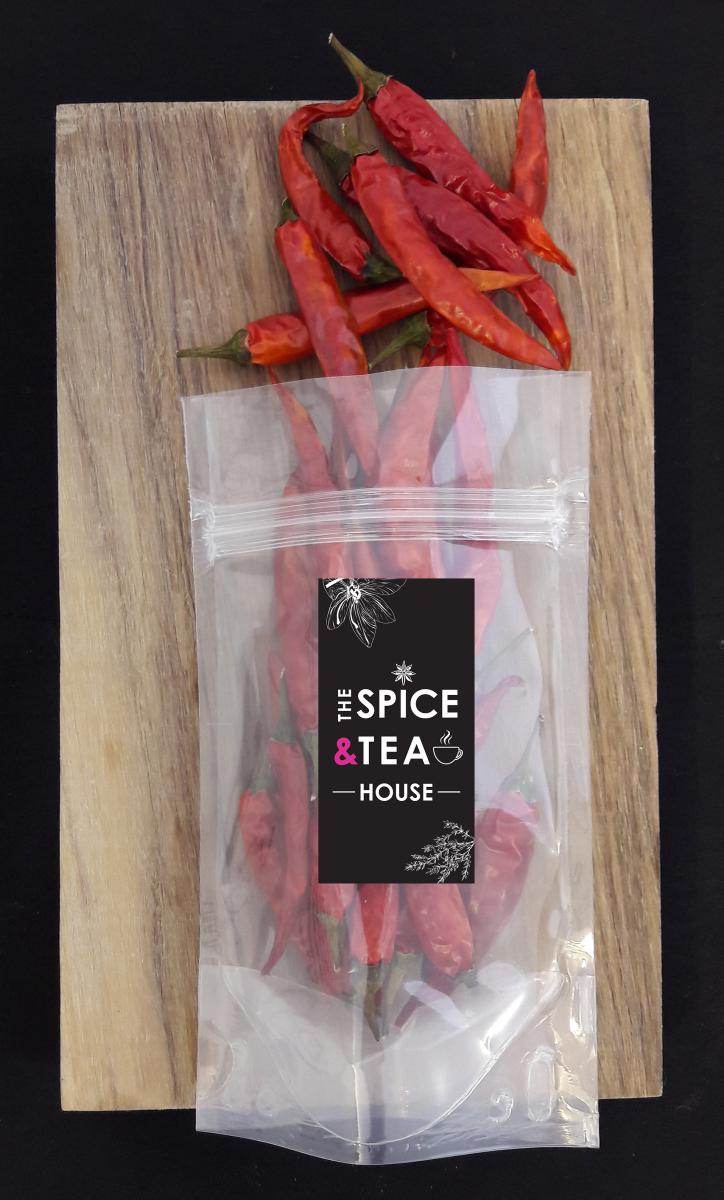
(dried) (whole) *when available
Family name: Solanaceae
Botanical name: Capsicum Frutescens
Famously used in Mozambiquan peri-peri sauce.
Heat scale: 8/10 (hot)
Some medicinal uses: chillies are very high in anti-oxidants, Vitamin A and C.
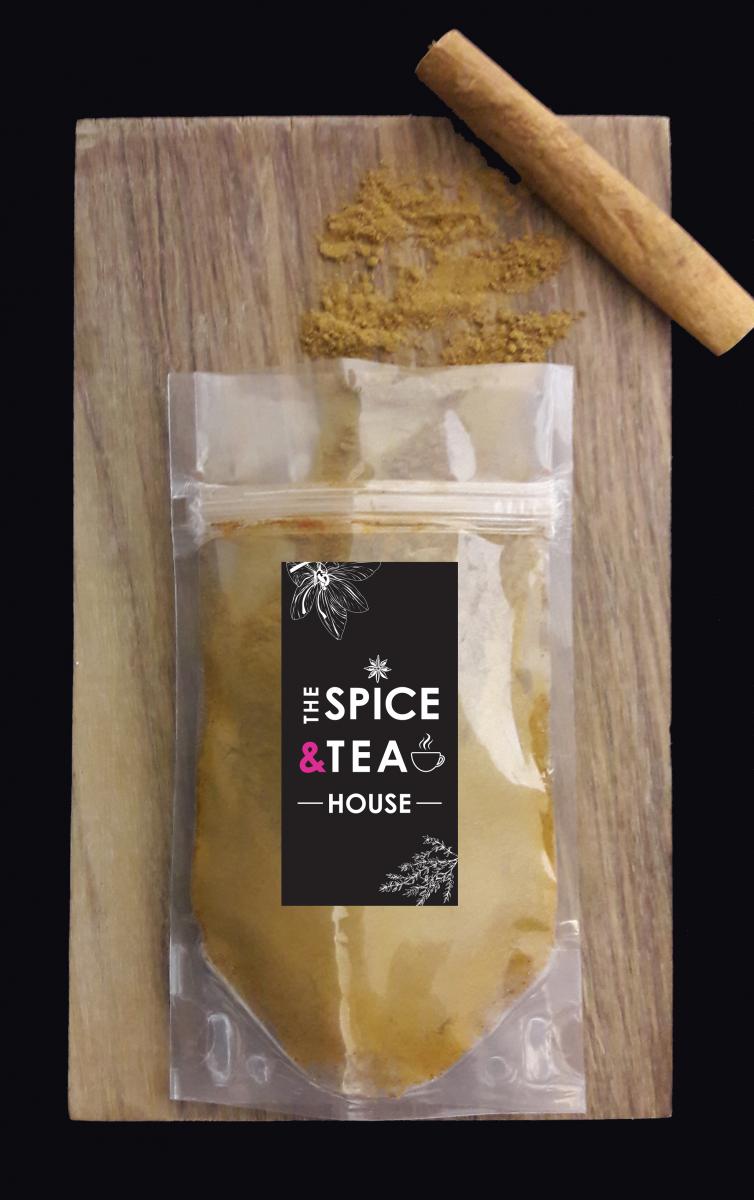
Family name: Lauraceae
Botanical name: Cinnamomom zeylanicum
Culinary: sweet, fragrant and warm. Cinnamon can be used in both sweet and savoury dishes and is used extensively in many cuisines from around the world: in baking, biscuits, cakes, pastries, confectionery, in casseroles, curries, rice dishes, spice blends, in drinks such as chai, mulled wine and punches. It can also be added to poached fruit, chocolate and syrups.
Medicinal: has many qualities and is excellent for lowering high blood sugar.
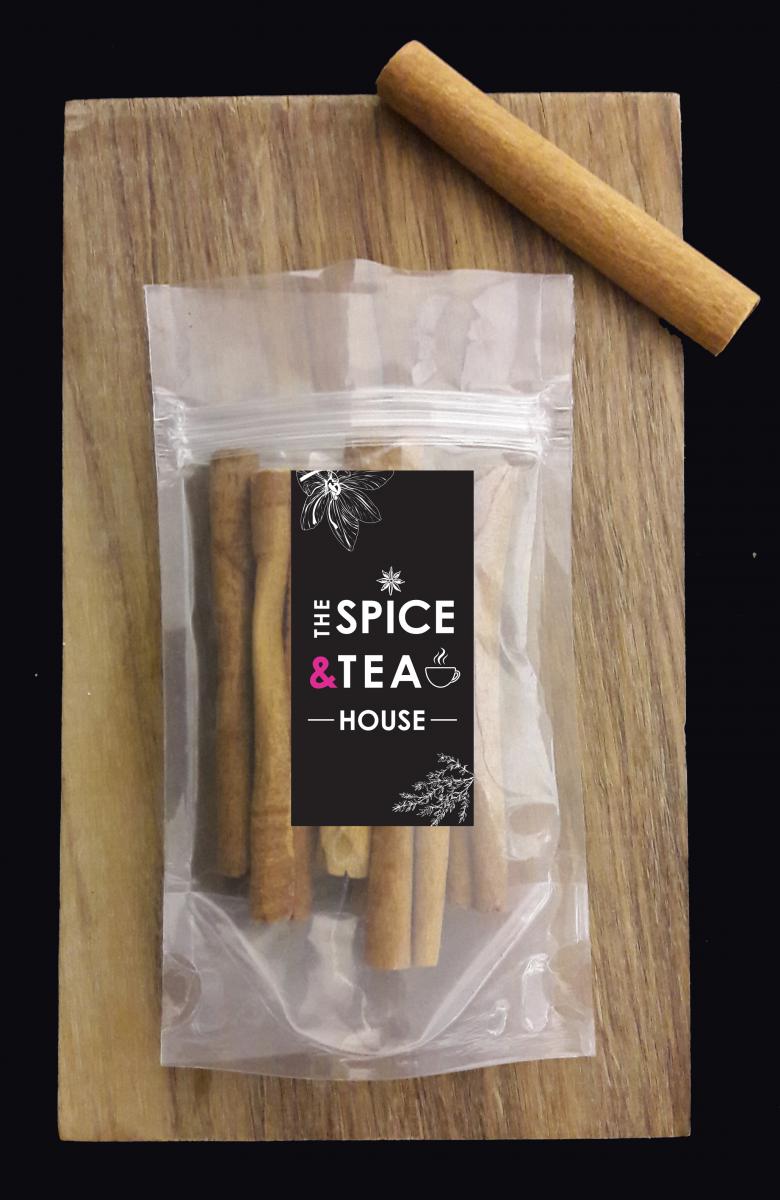
Family name: Lauraceae
Botanical name: Cinnamomom zeylanicum
Culinary: sweet, fragrant and warm. Cinnamon can be used in both sweet and savoury dishes and is used extensively in many cuisines from around the world: in baking, biscuits, cakes, pastries, confectionery, in casseroles, curries, rice dishes, spice blends, in drinks such as chai, mulled wine and punches. It can also be added to poached fruit, chocolate and syrups.
Medicinal: has many qualities and is excellent for lowering high blood sugar.
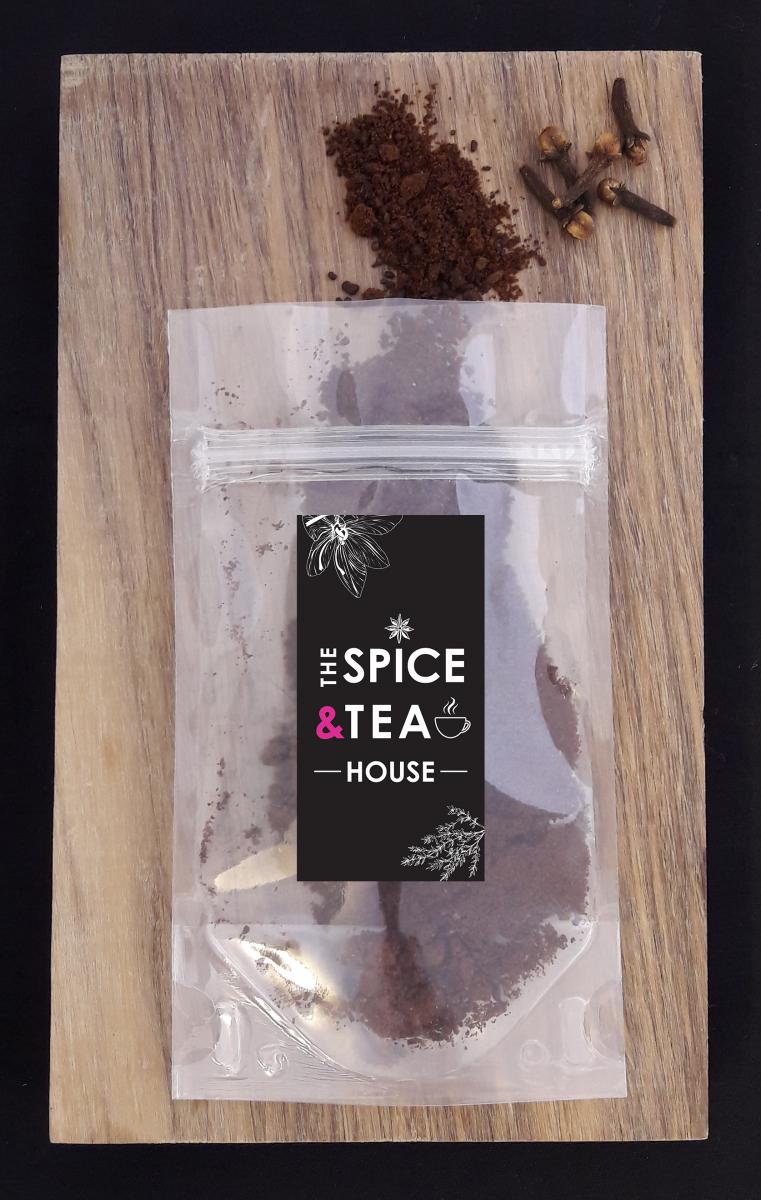
Family name: Myrtaceae
Botanical name: Eugenia caryophyllus
Culinary: strong, sweet, warm and aromatic, clove is used in sweet dishes and baking (such as apple pie, biscuits, gingerbread) and savoury dishes (such as Chinese 5-spice, Indian curry powders, spice blends (such as in boerewors, pickling spices and mixed spice) and can also be used in drinks such as mulled wine, gluhwein and chai tea. It’s a popular spice in Festive and Christmas flavourings.
Medicinal: anti-septic, anti-inflammatory, anti-microbial, anti-viral and an analgesic. It’s a natural preservative and good for toothache
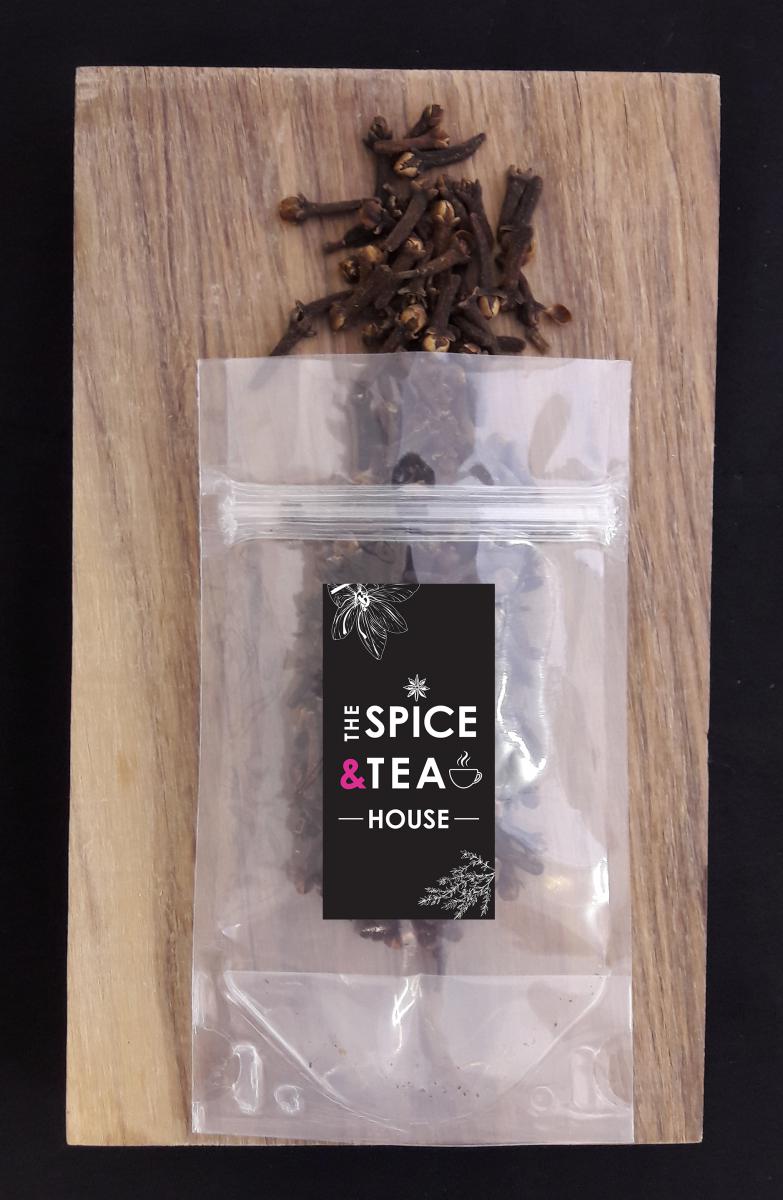
Family name: Myrtaceae
Botanical name: Eugenia caryophyllus
Culinary: strong, sweet, warm and aromatic, clove is used in sweet dishes and baking (such as apple pie, biscuits, gingerbread) and savoury dishes (such as Chinese 5-spice, Indian curry powders, spice blends (such as in boerewors, pickling spices and mixed spice) and can also be used in drinks such as mulled wine, gluhwein and chai tea. It’s a popular spice in Festive and Christmas flavourings.
Medicinal: anti-septic, anti-inflammatory, anti-microbial, anti-viral and an analgesic. It’s a natural preservative and good for toothache.
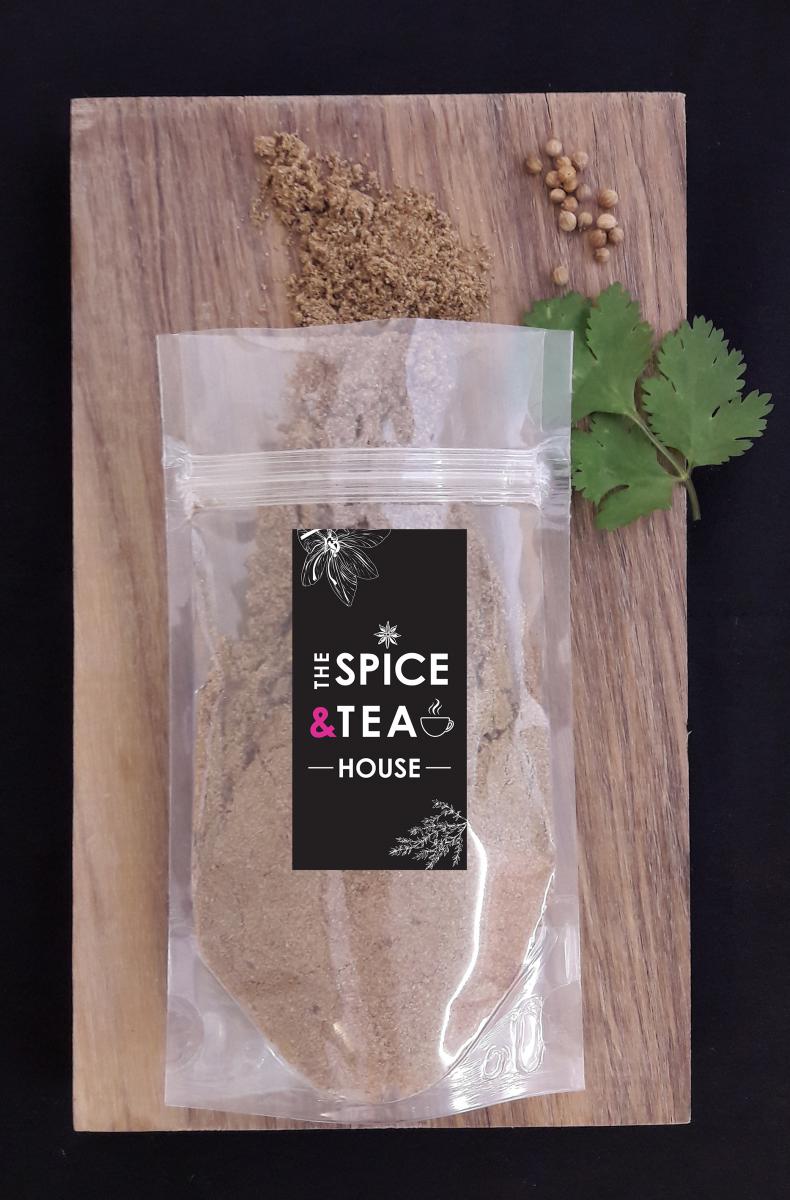
Family name: Umbelliferae
Botanical name: Coriandrum sativum
Culinary: pleasing, mild, sweet and a burnt-orange aroma when roasted, coriander seed (as well as the fresh leaf and ground powder) is used in many cuisines from around the world and in many dishes, for example, in curry powders and various spice blends like Indian garam masala, Cape Malay dishes, North African and Middle Eastern cuisine, in pickling spice, biltong mix, boerewors, chutneys and gin.
Medicinal : a myriad of uses, including antibacterial properties
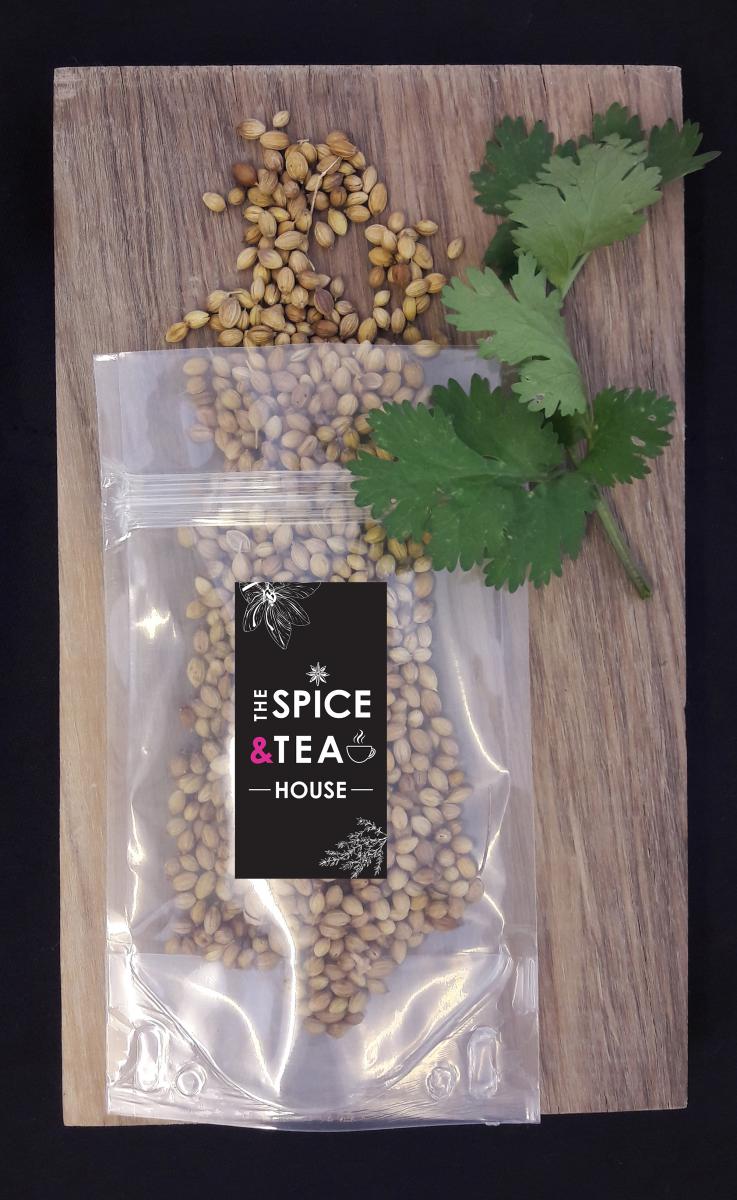
Family name: Umbelliferae
Botanical name: Coriandrum sativum
Culinary: pleasing, mild, sweet and a burnt-orange aroma when roasted, coriander seed (as well as the fresh leaf and ground powder) is used in many cuisines from around the world and in many dishes, for example, in curry powders and various spice blends like Indian garam masala, Cape Malay dishes, North African and Middle Eastern cuisine, in pickling spice, biltong mix, boerewors, chutneys and gin.
Medicinal : a myriad of uses, including antibacterial properties
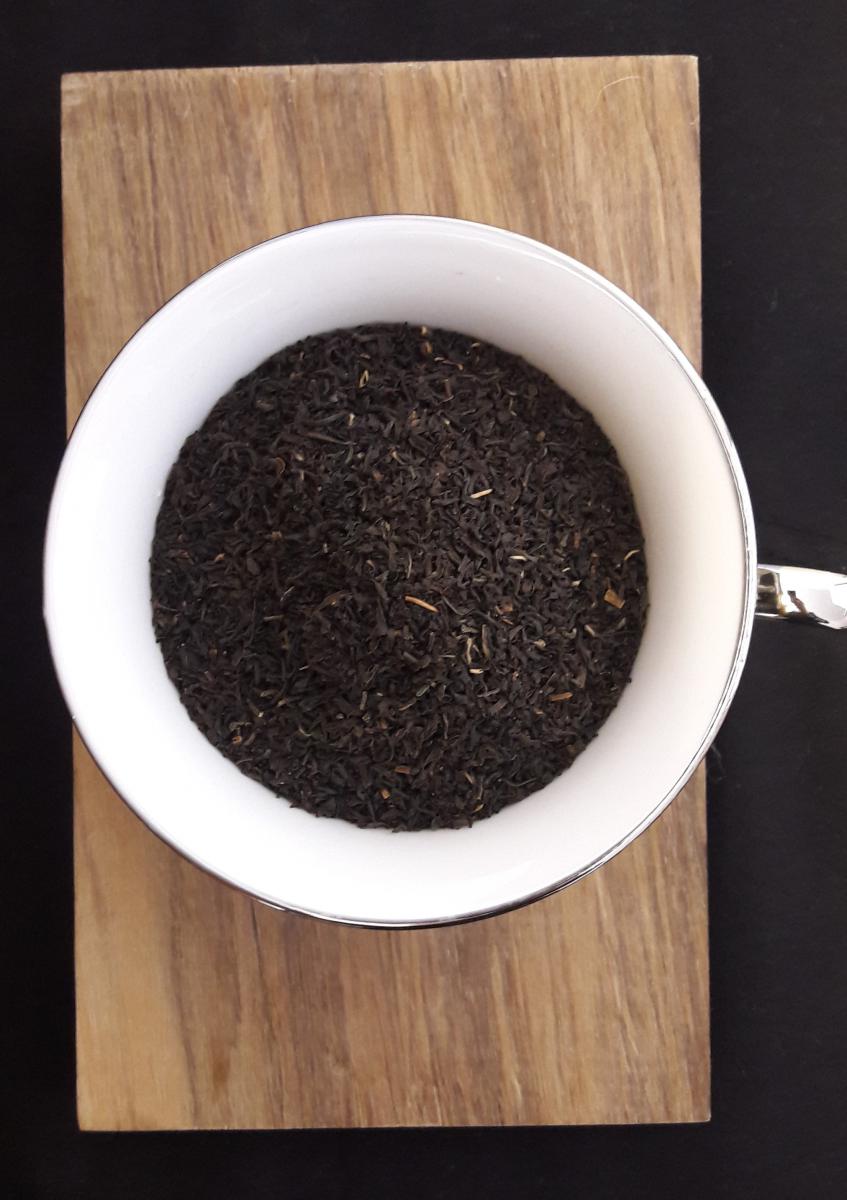
Assam tea is a black tea named after the region of its production, Assam, India. It is manufactured specifically from the plant Camellia sinensis var. Assamica. It is mostly grown at or near sea level and is known for its full body, briskness, malty flavour and strong, bright colour. It can be consumed with milk and sugar.
Colour: deep, rich amber
Aroma: fruity, malty, bold
Taste: full-bodied, deep, satisfying mouthfeel
Pair with: Eggs Benedict or Black Forest cake
Brew temperature: 95-100 degrees
Brew time: 3-5min
Loose-leaf

Family name: Makrut
Botanical name: Citrus hystrix
Aroma and flavour: a distinctive clean, citrus lime-lemon scent and taste.
Culinary uses: essential in Thai cuisine to flavour soups, curries, pastes, fish and chicken dishes and coconut milk. Also used in Indonesian cuisine.

Family name: Zingiberaceae
Botanical name: Langus galanga, syn Alpinia galanga
Aroma and flavour: closely related to ginger and turmeric, galangal has a sharp, citrusy, pine-like aroma and flavour when fresh and “woody” when dried.
Culinary uses: one of the important ingredients in Thai and South-East Asian cuisine for curries, soups, pastes, seafood and chicken dishes. Also used in some Chinese and Indian dishes. Before use, soak dried galangal slices in warm water for 30 minutes or until soft and pliable. Use sparingly as the flavour can be strong. Remove before serving as the root can be woody to chew on.
Medicinal uses: In Asian medicine it is used to treat respiratory problems. It is an anti-oxidant and anti-inflammatory.

Botanical name: Cymbopogon Citratus
Family name: Gramineae
Aroma and taste: Lemongrass has a lively, bright, distinct fresh citrus-lemon bouquet and taste.
Locally grown & dried in-house.
Culinary uses: essential in Thai, Malay, Indonesian and many South-East Asian curries, soups, pastes, marinades, stir-fries and salads. Perfectly paired with coconut milk, especially in fish, seafood, chicken and pork dishes. Stunning as a refreshing tisane.
Medicinal uses: relieves flatulence, is a stomach and gut relaxant and is calming. The essential oil is antiseptic, used to ease pain and arthritis and an insect repellent.

Family name: Leguminosae
Botanical name: Glycyrrhiza glabra
Aroma and flavour: a sweet, woody, botanical. When cut and fresh, the root is bright yellow and smells sweet. It tastes of anise with a bitter-sweet flavour. Much of the sweetness in liquorice comes from glycyrrhizin, which has a sweet taste. The sweetness is very different from sugar, being less instant, tart and longer lasting.
Culinary uses: best known as an ingredient in confectionary, for example, Liquorice Allsort and is 30- 50x sweeter than sugar ! Gins, drinks, stouts, porters, dark beers and liqueurs, like Irish Guinness, Italian sambuco also use liquorice root to flavour their drinks. It can also be used as a tisane or herbal tea.
Medicinal: liquorice root has many health benefits. It can act as an expectorant, demulcent, anti-inflammatory, adrenal agent, anti-spasmodic and mild laxative. It can increase blood pressure and not recommended for people with hypertenson or diabetes. Consult your doctor before taking ! The isoflavene glabrene and the isoflavane glabridin, found in the roots of liquorice, are phytoestrogens.


