Spices

Fresh whole and ground spices (non-irradiated & gluten-free)

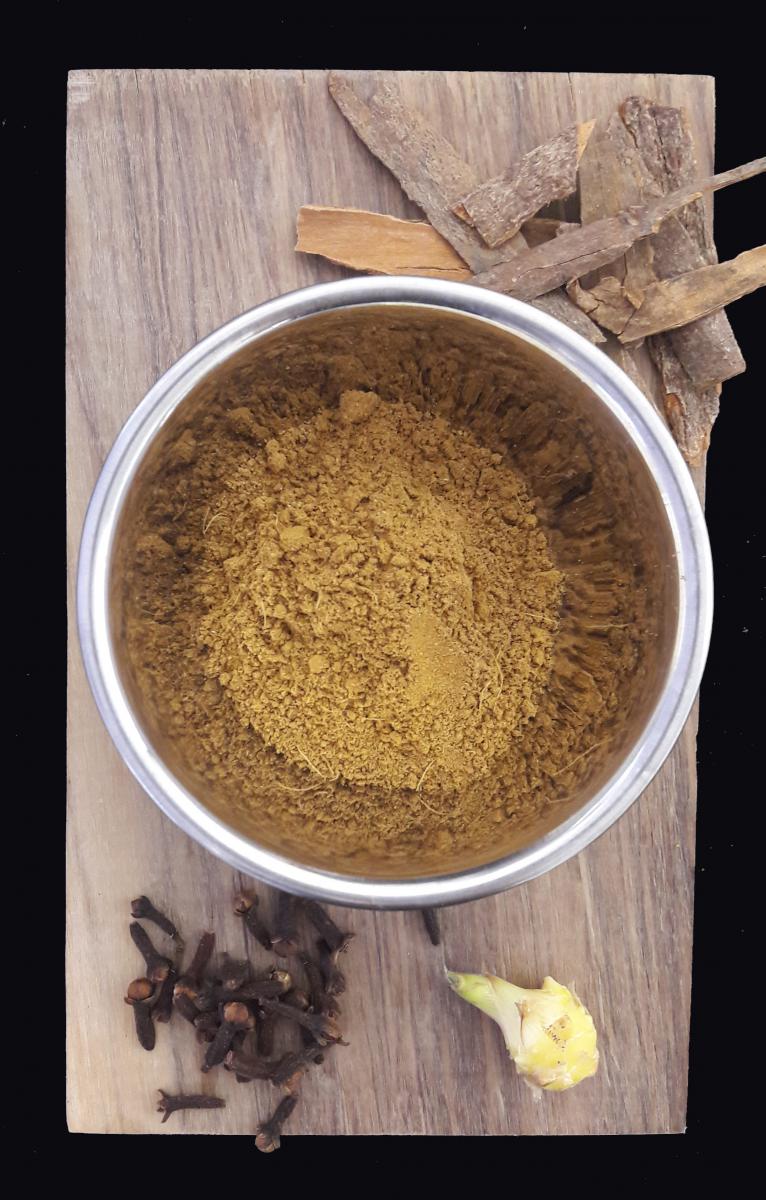
Spice blend: Lebkuchen spices

A delicious blend of spices perfect for a typical spicy German Lebkuchen (spicy cookie) or any other cakes, cookies, biscuits and confectionery.

Culinary use: Can be used in a wide variety of baking, biscuits, cakes, puddings, such as fruit cake, gingerbread and Christmas pudding.

R45,00
50 g

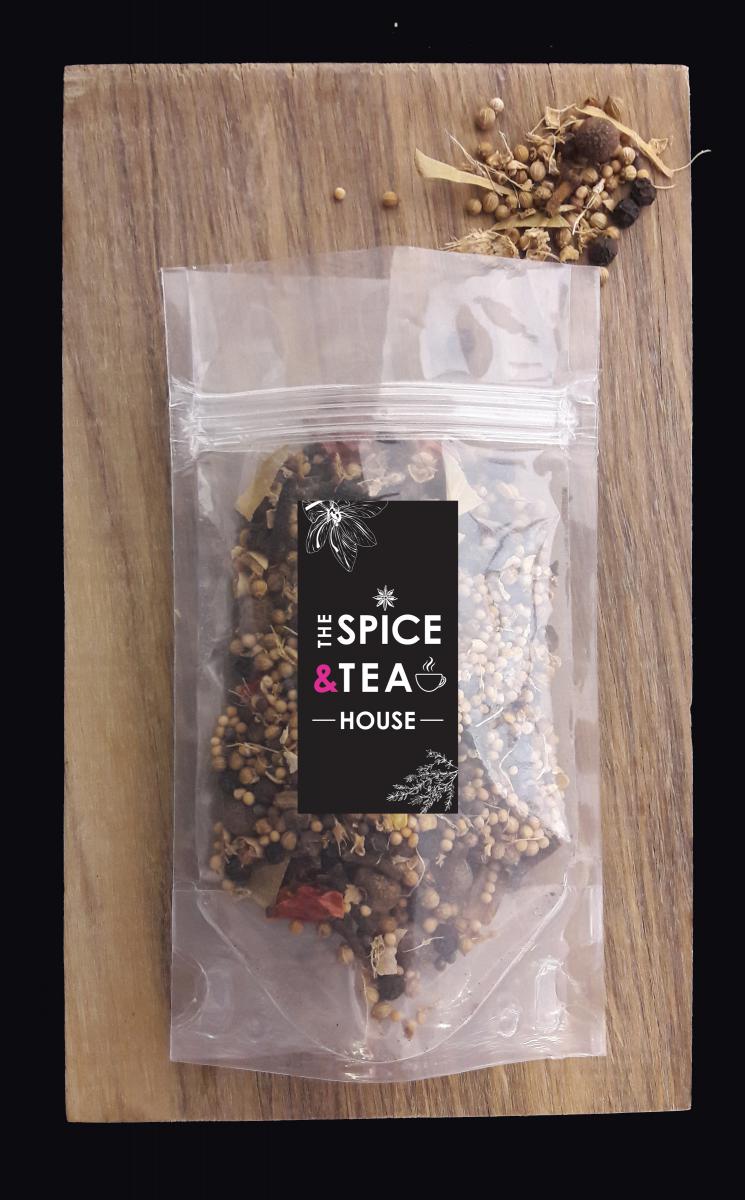
Spice Blend: Pickling Spice

This spice mix is used for pickling many dishes such as pickled onions, vegetables, cucumber, chutneys and fruit.  Tie in a muslin bag, whole or crushed or added straight into the vinegar.

R35,00
50 g

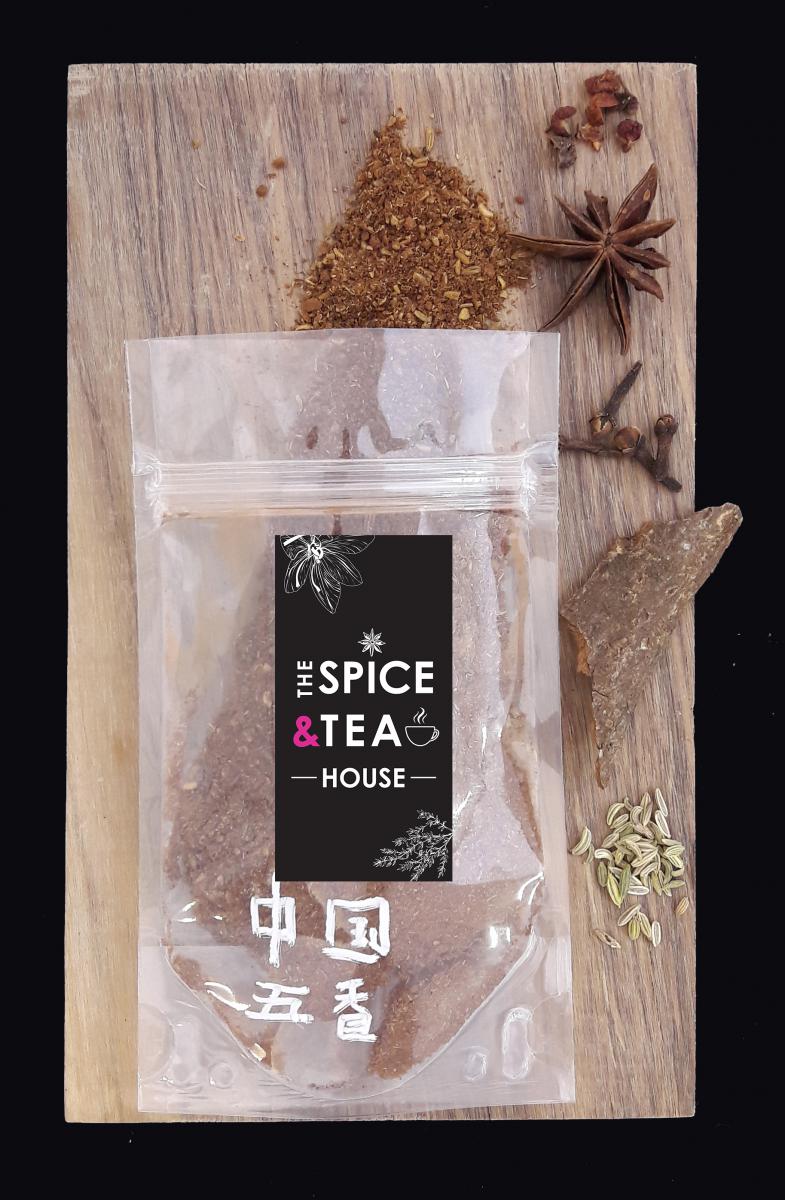
Spice blends: Chinese Five Spice (Chinese)

This is a classic combination of Sichuan peppercorn, cassia bark, fennel, clove and star anise.

Culinary uses:
Absolutely fabulous with duck, pork and chicken. Use as a rub, marinade, spice or seasoning and in noodle dishes.

Medicinal use: all of the various spices above have medicinal qualities.

R45,00
50 g

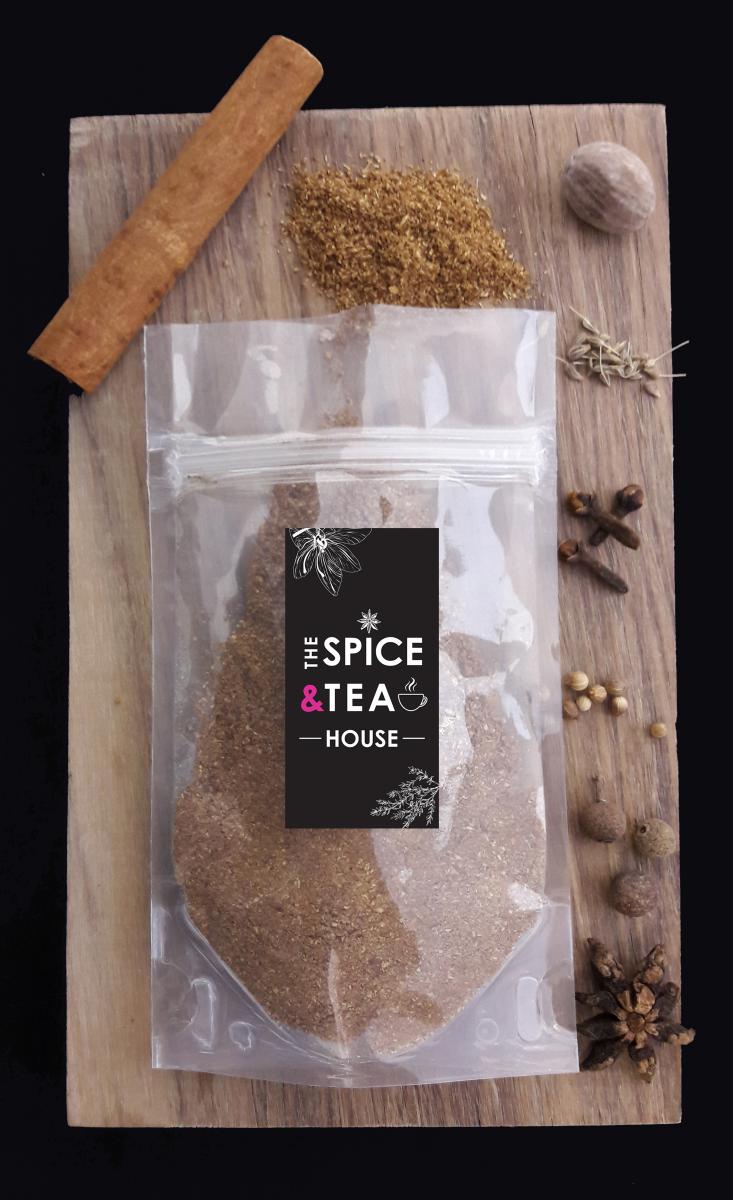
Spice blends: Mixed spice (British)

Mixed spice is typically an English sweet spice blend (also known as pudding spice).  It is not the same as allspice.

Culinary uses:
It includes allspice, cinnamon, cloves, nutmeg, ginger and sometimes, cardamom and coriander seed. Used in a wide variety of confectionery, biscuits, baking, cakes, puddings, such as fruit cake, gingerbread and Christmas pudding.


R25,00
50 g

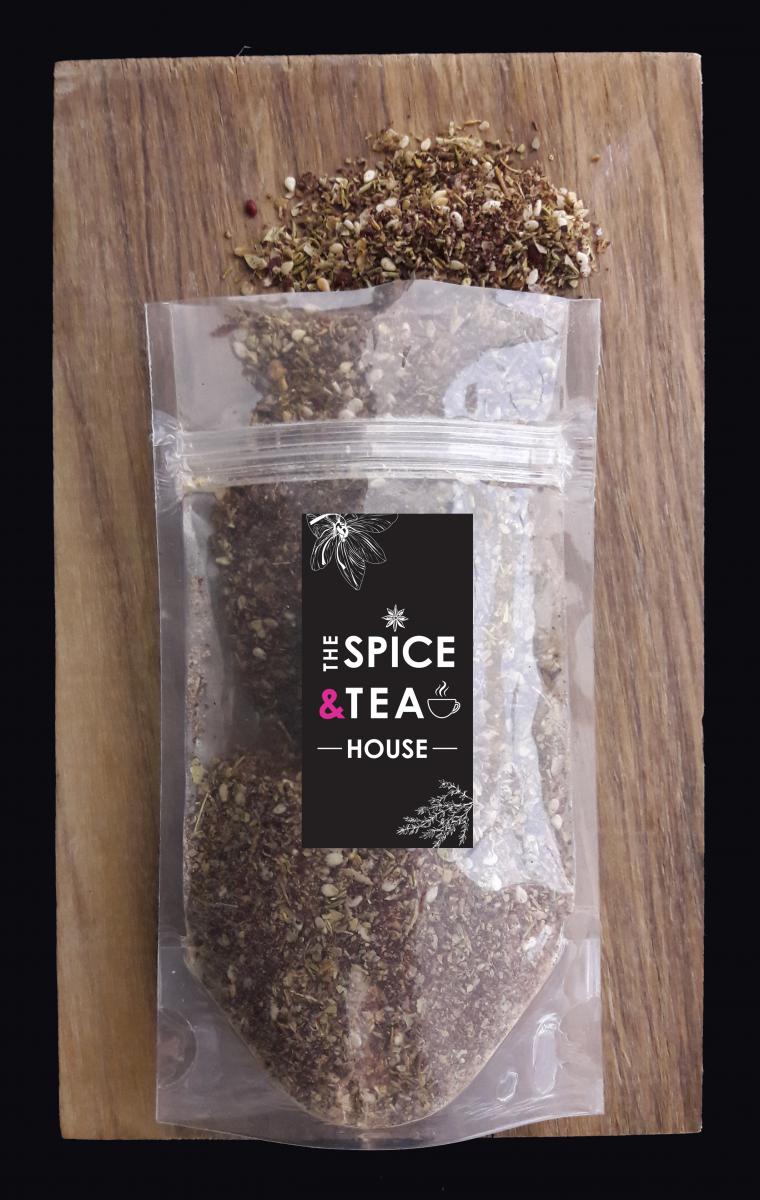
Spice Blends: Za’atar (Middle Eastern)

Za’atar is a culinary herb found in the Middle East but it is also the name of an aromatic spice mix that includes herbs, toasted sesame seeds, sumac and often salt. Also popular in North Africa.
Culinary: great on, in or sprinkled on various breads before baking, used as a dip or paste with extra virgin olive oil and bread or vegetables, as a seasoning sprinkled on avocado, vegetables, hummus, meatballs, cheese like labneh or haloumi and on fish or chicken before cooking. Yum !


R45,00
50 g

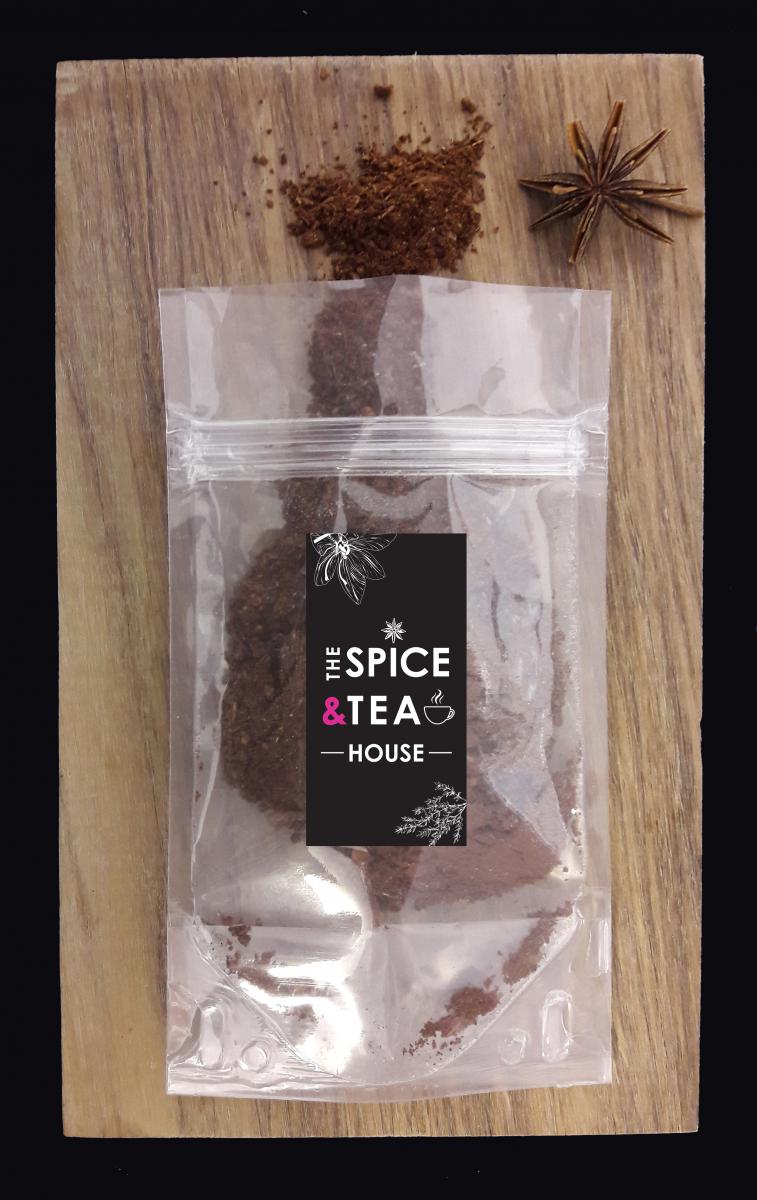
Star Anise (ground)

Family name: Magnoliaceae
Botanical name:  Illicium verum, syn I. anisatum

Aroma and flavour: a distinct liquorice-like aroma and flavour.

Culinary uses: is one of the most important spices in Chinese cuisine and in Chinese 5 - spice and widely used in Indian curries and masalas.   It is also used in confectionery, sweet dishes, desserts and in some alcoholic drinks such as French pastis.

Medicinal uses: used for throat, respiratory and digestion problems.

R28,00
25 g

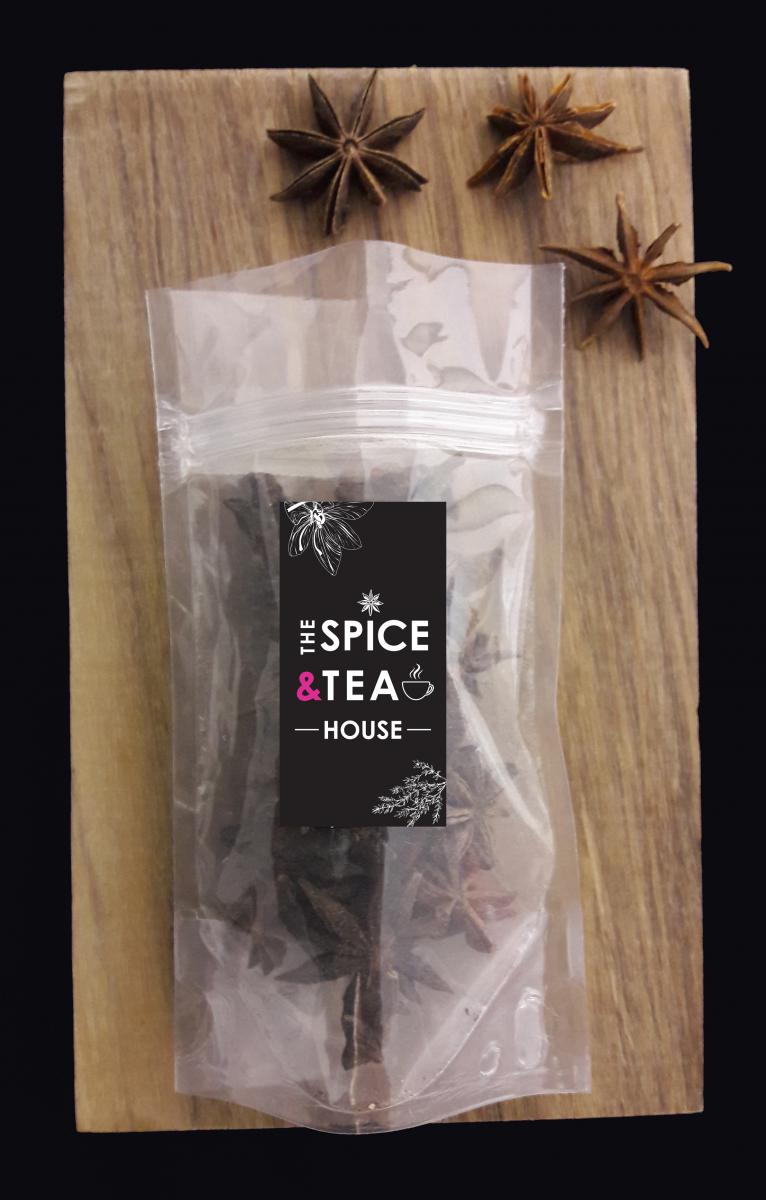
Star Anise (whole)

Family name: Magnoliaceae
Botanical name:  Illicium verum, syn I. anisatum

Aroma and flavour: a distinct liquorice-like aroma and flavour.

Culinary uses: is one of the most important spices in Chinese cuisine and in Chinese 5 - spice and widely used in Indian curries and masalas.   It is also used in confectionery, sweet dishes, desserts and in some alcoholic drinks such as French pastis.

Medicinal uses: used for throat, respiratory and digestion problems.

R20,00
25 g

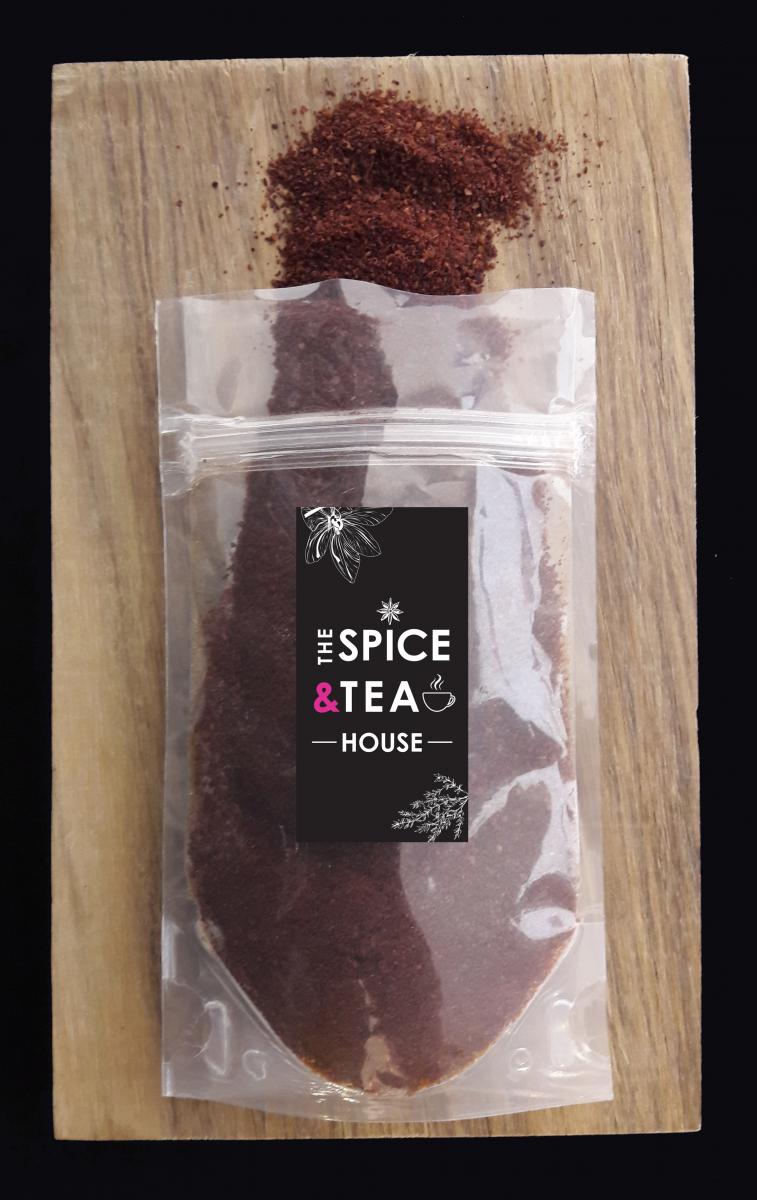
Sumac

Family name: Anacardiaceae
Botanical name: Rhus coriaria

Aroma and flavour: it has little aroma but has a definite, astringent quality, with a pleasing tangy, tart, lemon-like sour-fruit flavour.

Culinary uses: Used in many Middle Eastern dishes and can be used  rubbed onto fish, chicken, steaks, kebabs or prawns before cooking or over potato, beetroot or mixed bean salads.

Medicinal uses: rich in a variety of nutrients and antioxidants and as a potential anti-inflammatory, it may have beneficial effects for stomach disorders, in managing blood sugar levels and alleviating muscle pains.

R25,00
50 g

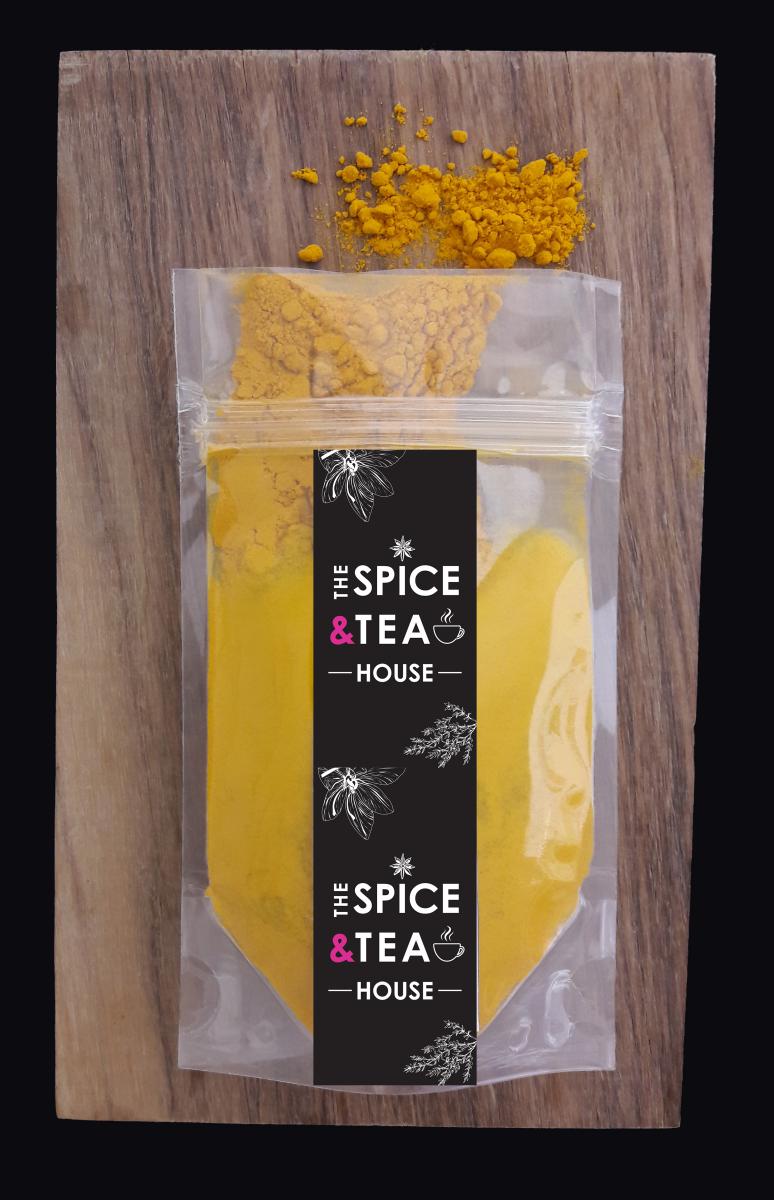
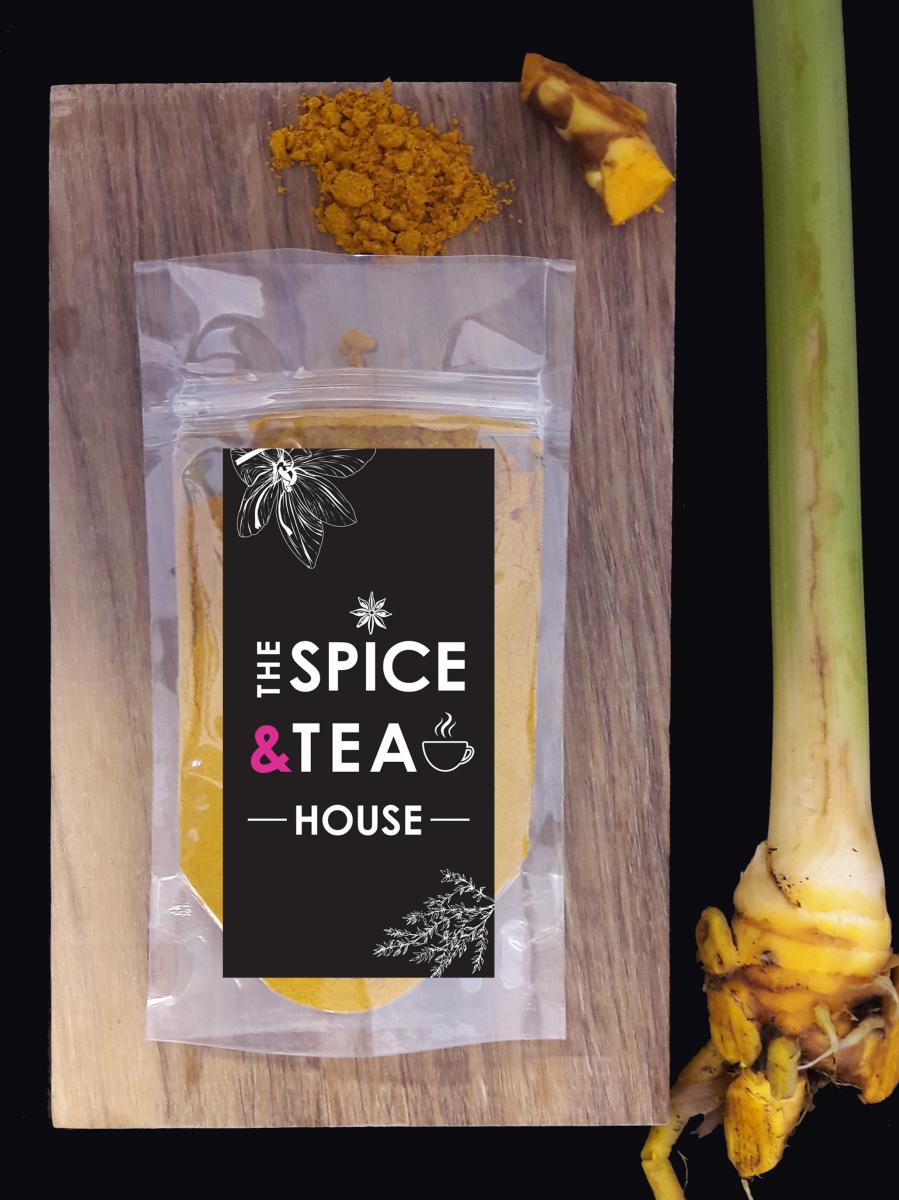
Turmeric (ground)

Family name: Zingiberaceae
Botanical name: Curcurma domestica, syn C. longa

Aroma and flavour:  robust, bright, deep yellow, earthy, woody, musky, slightly peppery and warm with a slightly bitter aftertaste.

Culinary: used in many dishes including Indian and Cape Malay curry dishes, curry powders, masalas, spice blends. pilaus, rices, dahls and vegetables.  For example in Cape Malay yellow rice, bobotie, fish dishes and curries. It can be used in chutneys, pickles, piccalilli and kedgeree. Many North African dishes use it to spice lamb and vegetables.  It also became well known with the Banting diet and in a drink called Golden Milk.

Medicinal: Ayurvedic healing has used turmeric for many centuries.  It has potent anti-septic, anti-inflammatory and healing properties.

R20,00
50 g

Turmeric (organic)

Family name: Zingiberaceae
Botanical name: Curcurma domestica, syn C. longa

Aroma and flavour:  robust, bright, deep yellow, earthy, woody, musky, slightly peppery and warm with a slightly bitter aftertaste.

Culinary: used in many dishes including Indian and Cape Malay curry dishes, curry powders, masalas, spice blends. pilaus, rices, dahls and vegetables.  For example in Cape Malay yellow rice, bobotie, fish dishes and curries. It can be used in chutneys, pickles, piccalilli and kedgeree. Many North African dishes use it to spice lamb and vegetables.  It also became well known with the Banting diet and in a drink called Golden Milk.

Medicinal: Ayurvedic healing has used turmeric for many centuries.  It has potent anti-septic, anti-inflammatory and healing properties.


R25,00
50 g

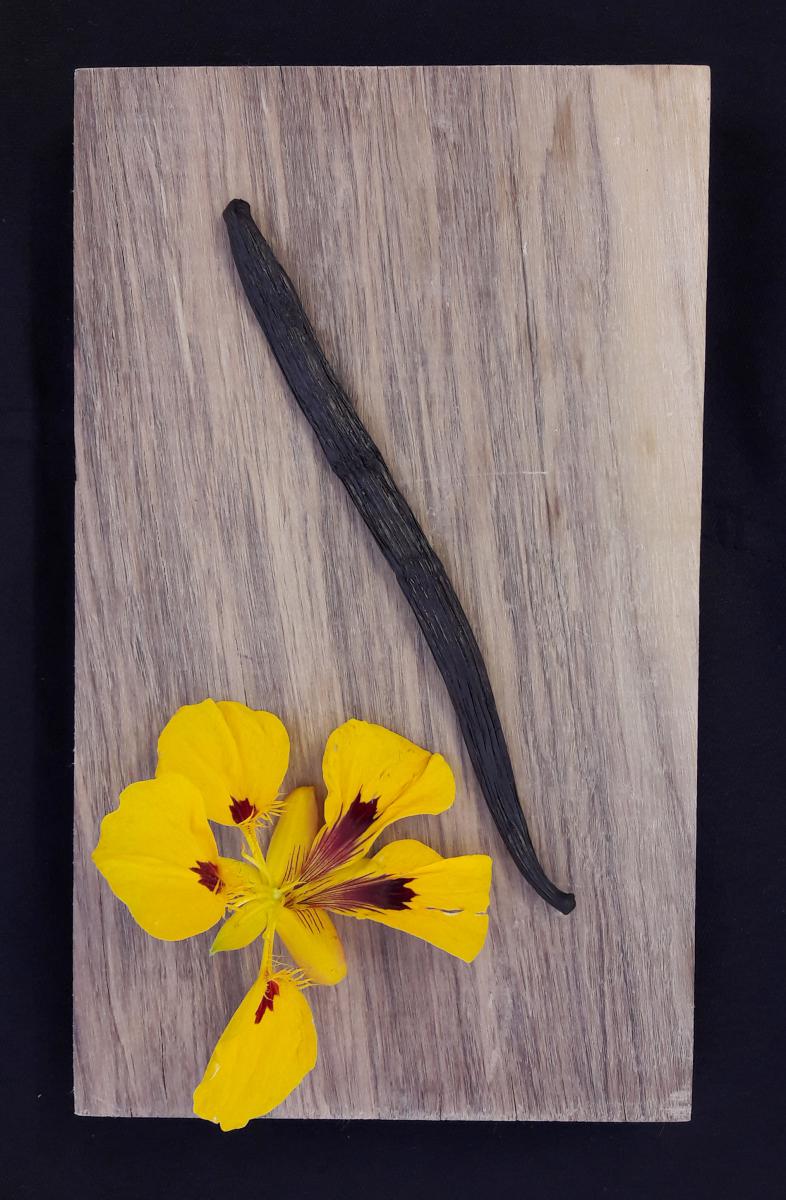
Vanilla (Pod)

(Madagascan Bourbon Vanilla)
Family name: Orchidaceae
Botanical name: Vanilla Fragrans, syn V. Planifolia

Aroma and flavour: real vanilla has a rich, mellow, perfumed, tabacco-like aroma with a mellow, fragrant, fruity- sweet taste.  

Culinary uses: Vanilla has many culinary uses, mainly in sweet dishes (but can be used in savoury dishes too!) and confectionery, such as ice-cream, biscuits, cakes, puddings, desserts, custards, chocolate, fruit, sugars, drinks, teas and liqueurs such as Galliano and Creme de Cacao.

Medicinal uses: smelling vanilla reduces anxiety and has a calming effect, is a pick-me-up and helps soothe digestion. Attributed with aphrodisiac qualities.

R68
(1 Pod)

R68,00
3 g

Herbal Teas

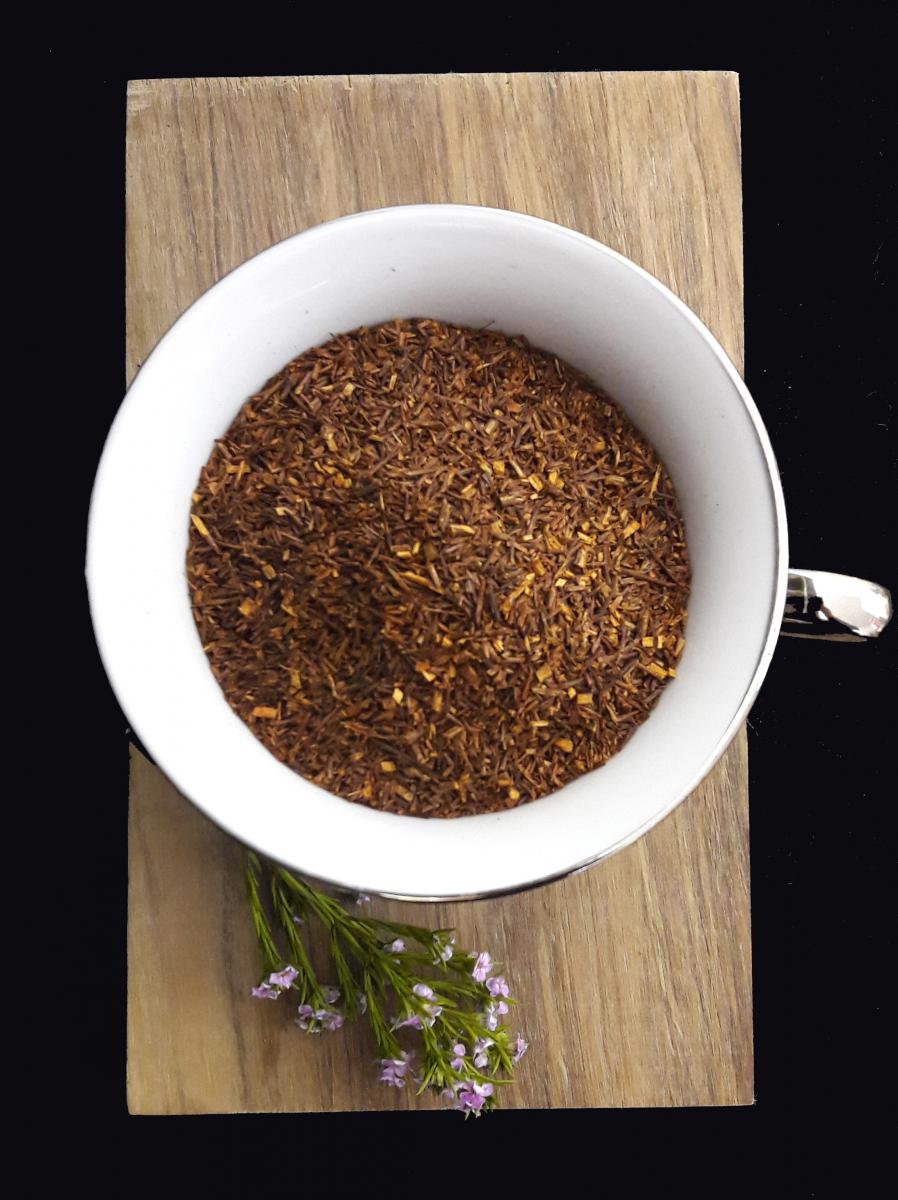
Teas/tisane: Herbal Rooibos

(how to say it...ROY-boss)
An excellent export-quality single origin rooibos (Aspalathus Linearis), from Tanqua Tea Estate in the Cederberg area.

Colour: amber
Aroma: typical and distinct fermented fynbos bush, musky, plant, woody notes
Taste: bush, plant, fynbos, fermentation, full, sweet, fruity.

Brew temp: 100 degrees
Brew time: 5-7+min

Pair with: koeksisters (twisted fried dough pastry), milktart, Cape Malay koesisters, rusks and many other cakes, biscuits and confectionery.

Medicinal uses:  rooibos has many documented health benefits and is very high in anti-oxidants, one being the polyphenol, aspalathin. These protective plant compounds may help protect against the free radical damage that leads to conditions like diabetes, heart disease and potentially cancer.

Loose-leaf

R55,00
100 g

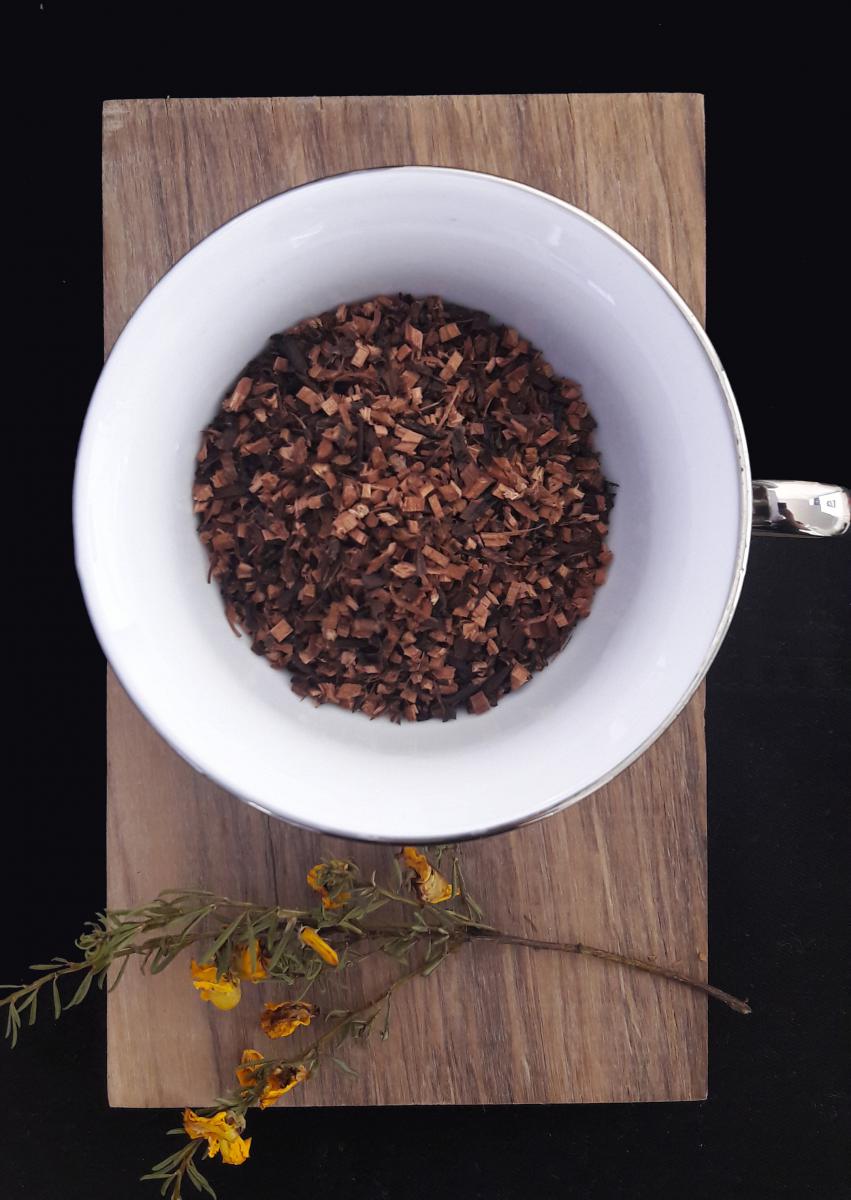
Teas/tisane: Herbal: Honeybush (coarse)

Honeybush (Cyclopia) occurs naturally in South Africa and is part of the fynbos family.  Its terroir streches from Piketberg to Port Elizabeth and gets its name from the sweet scented yellow flowers that bloom in spring and the teas sweet taste. This is a single origin tea, grown in the Garden Route area from the subternata species.

Colour:  rose-gold, copper (the colour comes from fermentation process similar to rooibos)
Nose: musky, sweet, fynbos
Taste: sweet, fynbos, musky

Brew temp: 100 degrees
Brew time: 5-7+min

Pair with: a wide variety of cakes, biscuits and confectionery
Medicinal uses: Honeybush has many health benefits (very similar to Rooibos and more). It is very high in anti-oxidants (especially mangiferin) and contains natural plant (phyto) oestrogens which may help bone density and cardiovascular disease in women. Strengthens immune system, protects against inflammation, accelerates metabolism,  may help prevent and slow down cancer, protects the health of the respiratory tract,  stomach problems and provides whole body health support.

Loose-leaf

R35,00
100 g

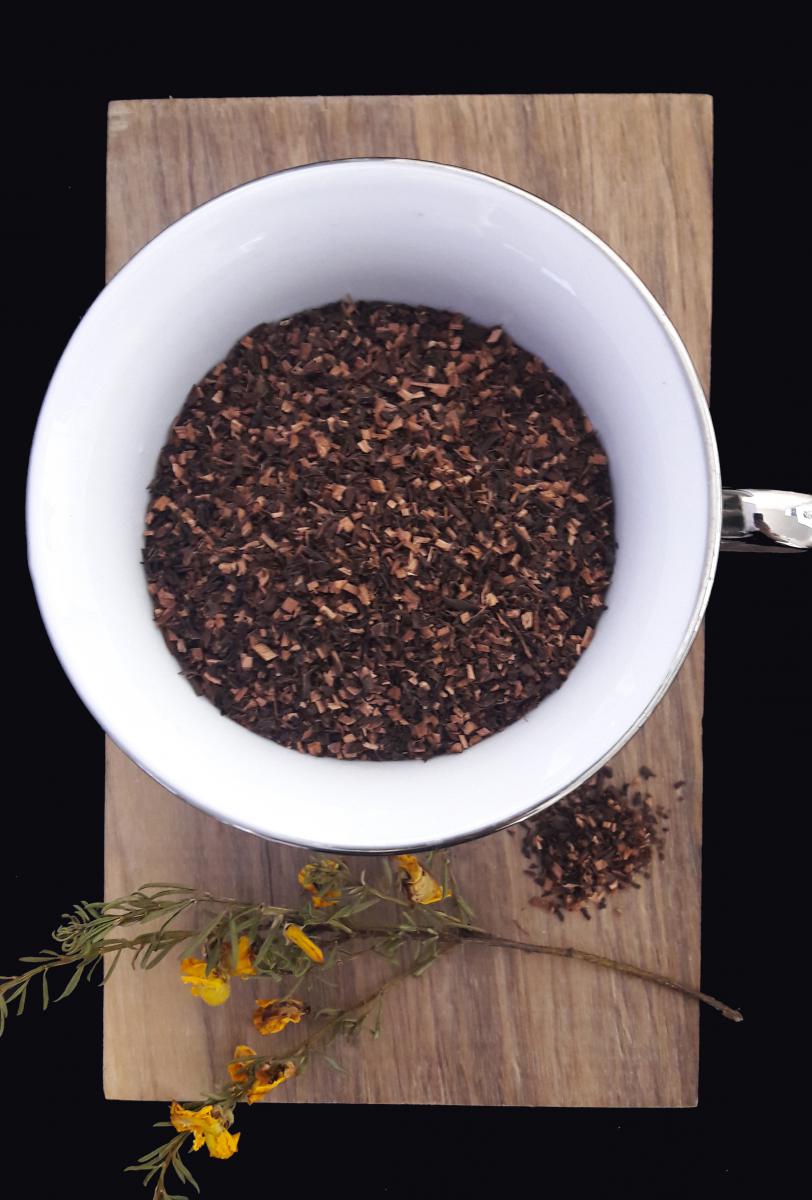
Teas/Tisane: Herbal: Honeybush (fine)

Honeybush (Cyclopia) occurs naturally in South Africa and is part of the fynbos family.  Its terroir streches from Piketberg to Port Elizabeth and gets its name from the sweet scented yellow flowers that bloom in spring and the teas sweet taste. This is a single origin tea, grown in the Garden Route area from the subternata species.

Colour:  rose-gold, copper (the colour comes from fermentation process similar to rooibos)
Nose: musky, sweet, fynbos
Taste: sweet, fynbos, musky

Brew temp: 100 degrees
Brew time: 5-7+min

Pair with: a wide variety of cakes, biscuits and confectionery
Medicinal uses: Honeybush has many health benefits (very similar to Rooibos and more). It is very high in anti-oxidants (especially mangiferin) and contains natural plant (phyto) oestrogens which may help bone density and cardiovascular disease in women. Strengthens immune system, protects against inflammation, accelerates metabolism,  may help prevent and slow down cancer, protects the health of the respiratory tract,  stomach problems and provides whole body health support.


R35,00
100 g

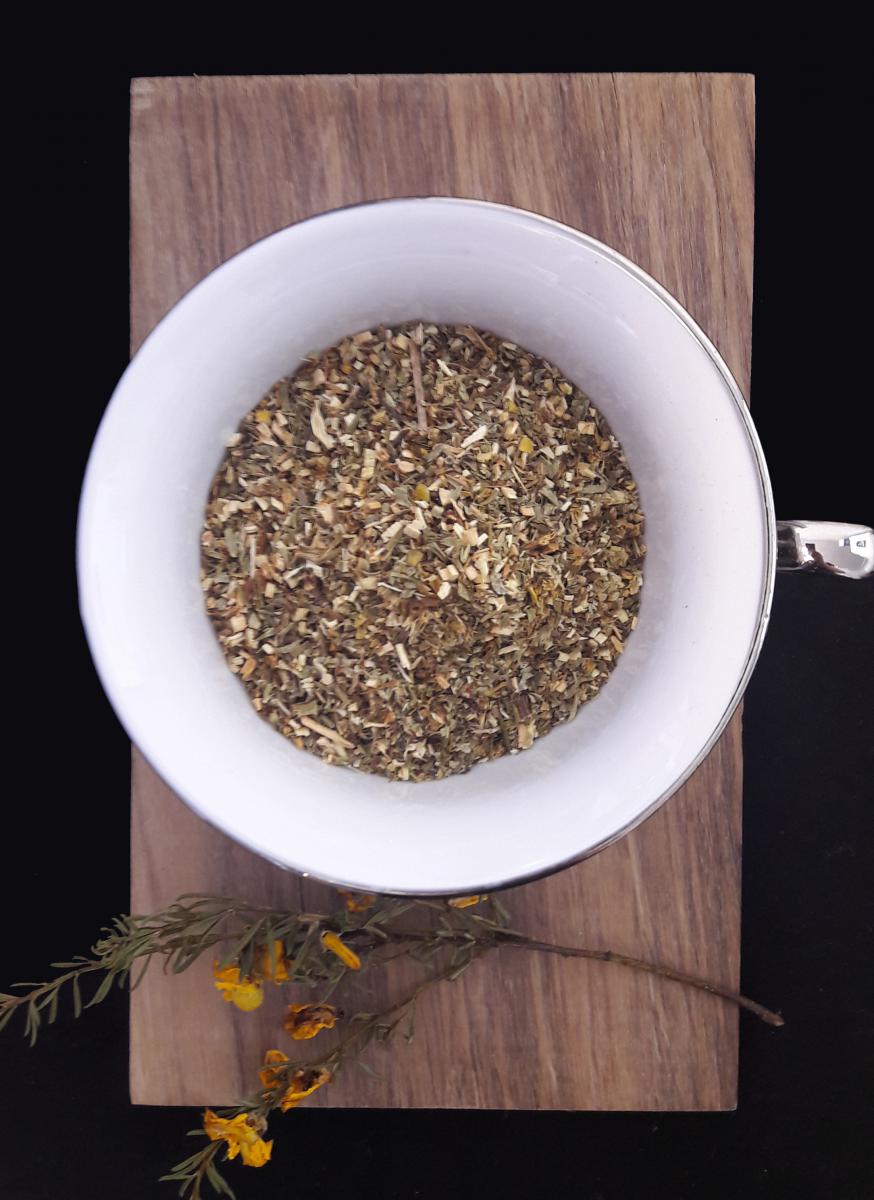
Teas/Tisane: Herbal: Honeybush (green)

Honeybush (Cyclopia) occurs naturally in South Africa and is part of the fynbos family.  Its terroir streches from Piketberg to Port Elizabeth and gets its name from the sweet scented yellow flowers that bloom in spring and the teas sweet taste. This is a single origin tea, grown in the Garden Route area from the subternata species.

Colour:   green
Nose: herbaceous, green,  fynbos, musky, bush, plant, woody
Taste: herbaceous, green, sweet, fynbos, plant, bush, musky

Brew temp: 100 degrees
Brew time: 5-7+min

Pair with: a wide variety of cakes, biscuits and confectionery
Medicinal uses: Honeybush has many health benefits (very similar to Rooibos and more). It is very high in anti-oxidants (especially mangiferin) and contains natural plant (phyto) oestrogens which may help bone density and cardiovascular disease in women. Strengthens immune system, protects against inflammation, accelerates metabolism, may help prevent and slow down cancer, protects the health of the respiratory tract,  stomach problems and provides whole body health support.

The green version is very high in antioxidants, higher than green rooibos and matcha green tea.


R35,00
100 g

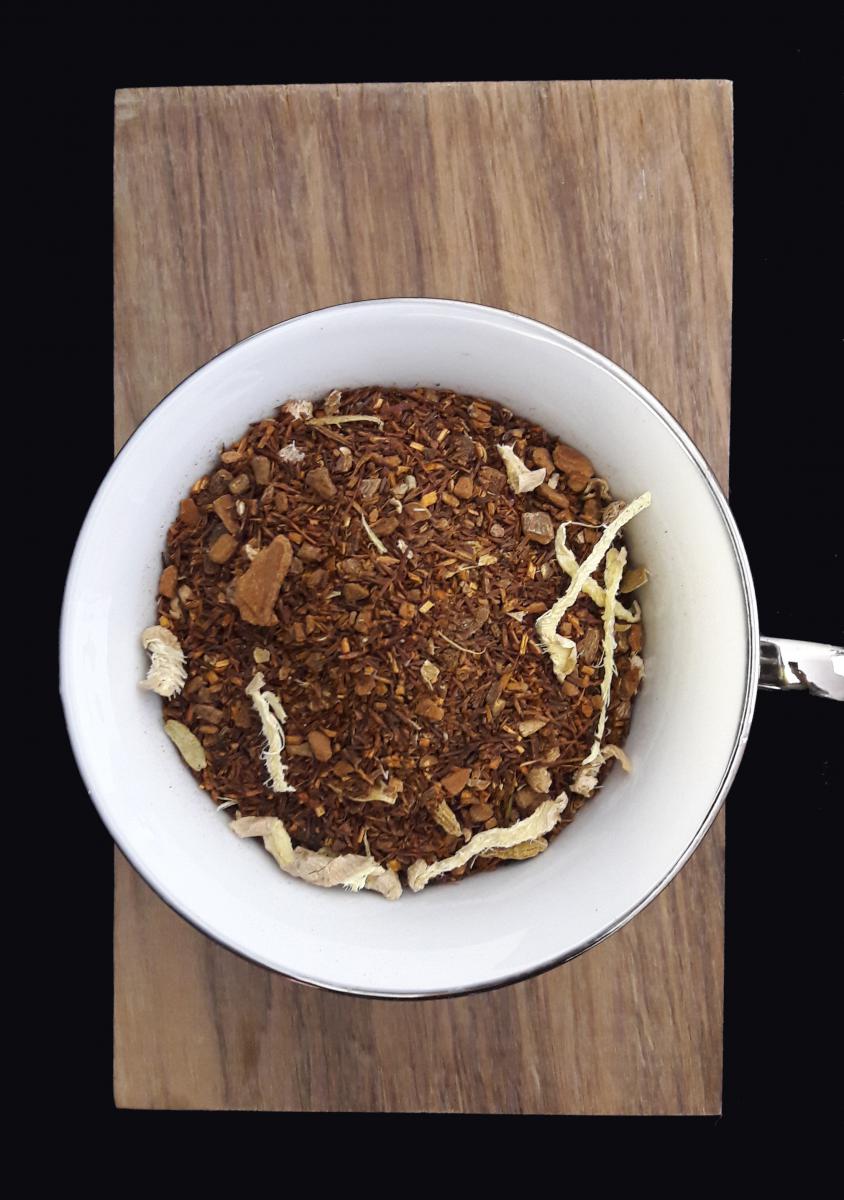
Teas: Herbal Rooibos chai

An excellent export-quality single origin rooibos (Tanqua Tea Estate from the Cederberg area) is used as the base for this spicy Indian chai blend which includes cardamom, black pepper, clove, ginger and cinnamon.

Colour: deep amber, from the fermentation
Nose: typical fermented fynbos, rooibos notes with various spicy elements wafting on the nose, as the heat releases them.
Taste: fermented rooibos, fynbos, full and fruity, holding all the spices beautifully.

Pair with: traditional koeksisters (twisted fried dough pastry), milktart, Cape Malay koesisters, rusks or any cake, biscuit and confectionery.

Medicinal: very good for you !

Brew temp: 100 degrees
Brew time: 5-7+min

Loose-leaf

R105,00
100 g

Tisanes

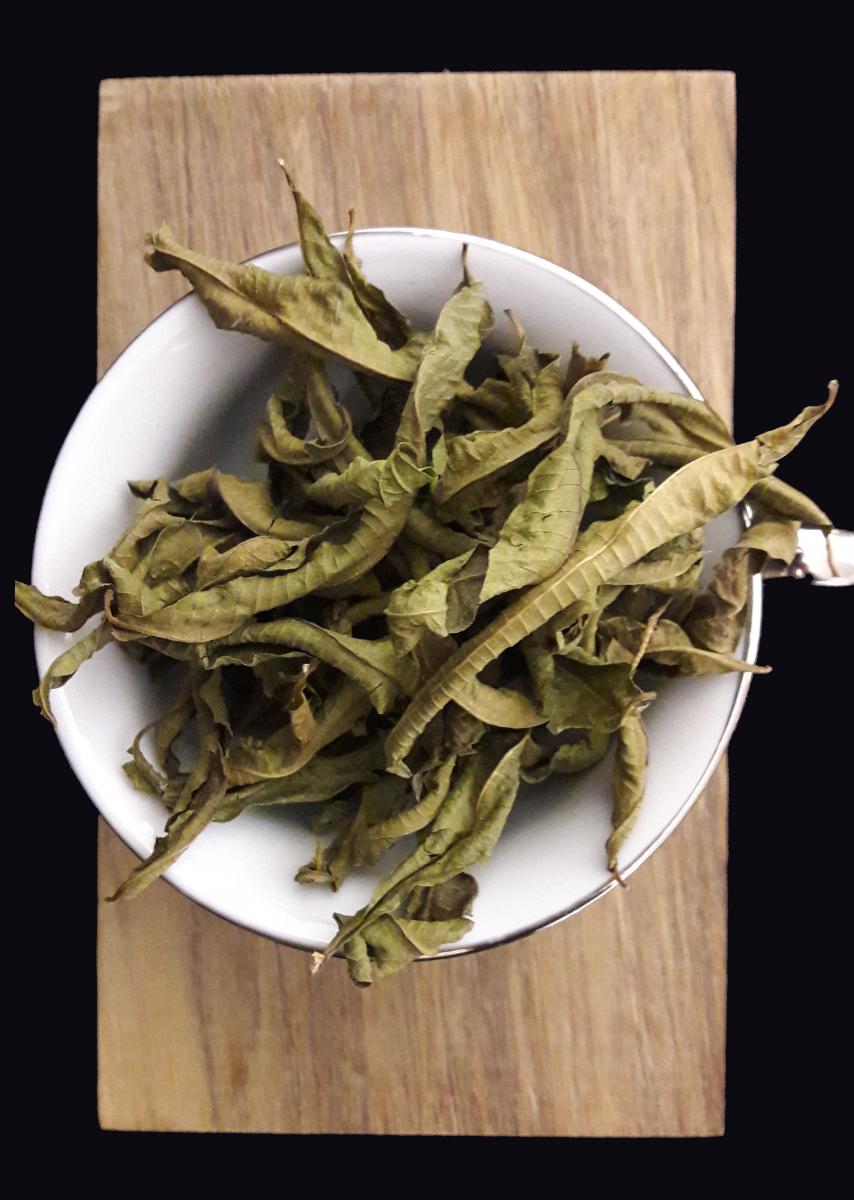
Teas/tisane: Leaves Lemon Verbena

A fresh, bright, uplifting delicious lemon-like aroma and taste.

Colour: green-yellow
Aroma: citrus, lemon
Taste: bright citrus, lemon (similar to lemongrass)

Brew temp: 95 degrees
Brew time: 5-7min

Pair with: Madeira cake or enjoy on its own.
Medicinal uses: a great aid for sleeping. It also helps with digestion, is a mild sedative and calmative.

Loose-leaf

R110,00
100 g

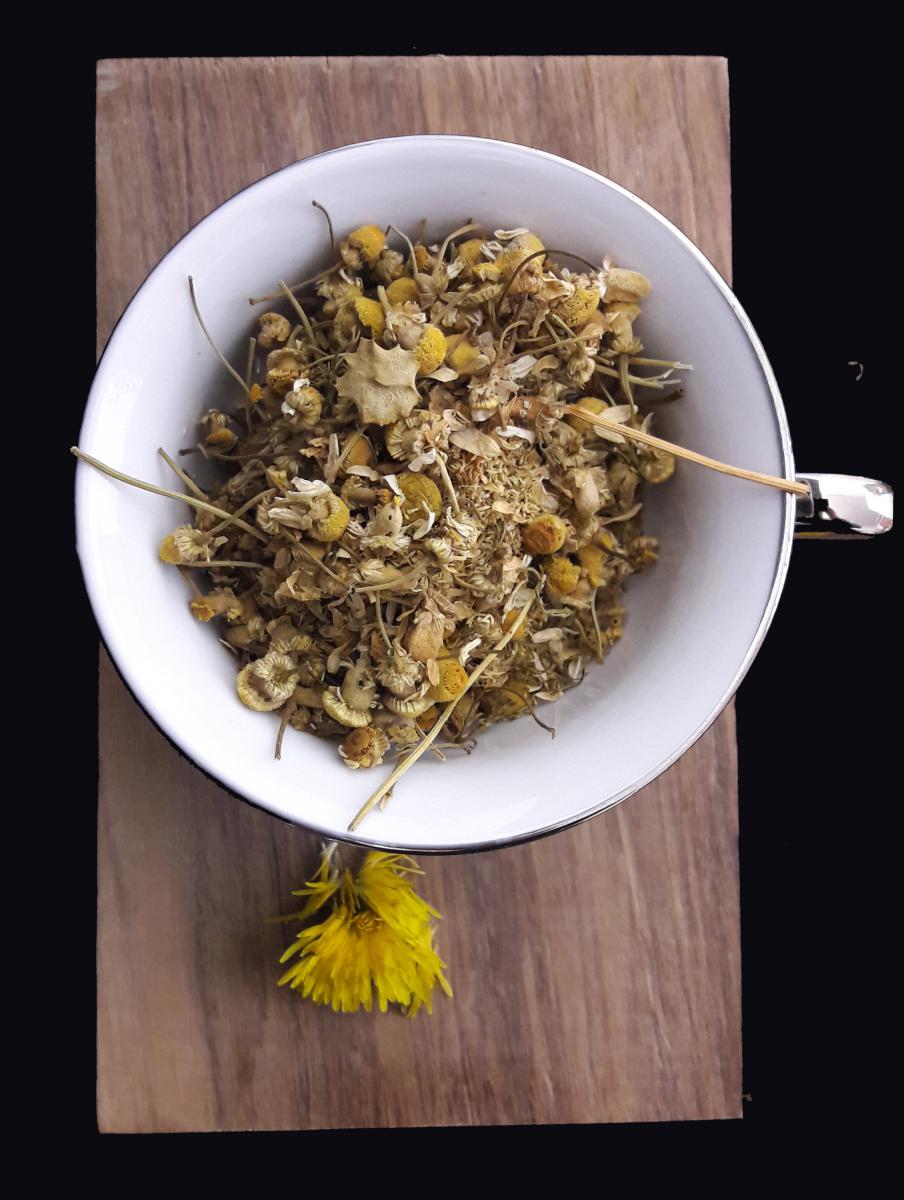
Teas/tisanes: Flower Chamomile

A soothing and calming tisane from whole chamomile flowers.

Colour: beautiful light, bright and yellow
Aroma: delicate, floral and sweet
Taste: gentle, floral, herbaceous and sweet

Brew temp: 95 degrees
Brew time: 3-7min

Pair with: scones or something fruity.
Medicinal: caffeine-free, soothing, calming and helps promote sleep.  

Loose-leaf

R108,00
100 g

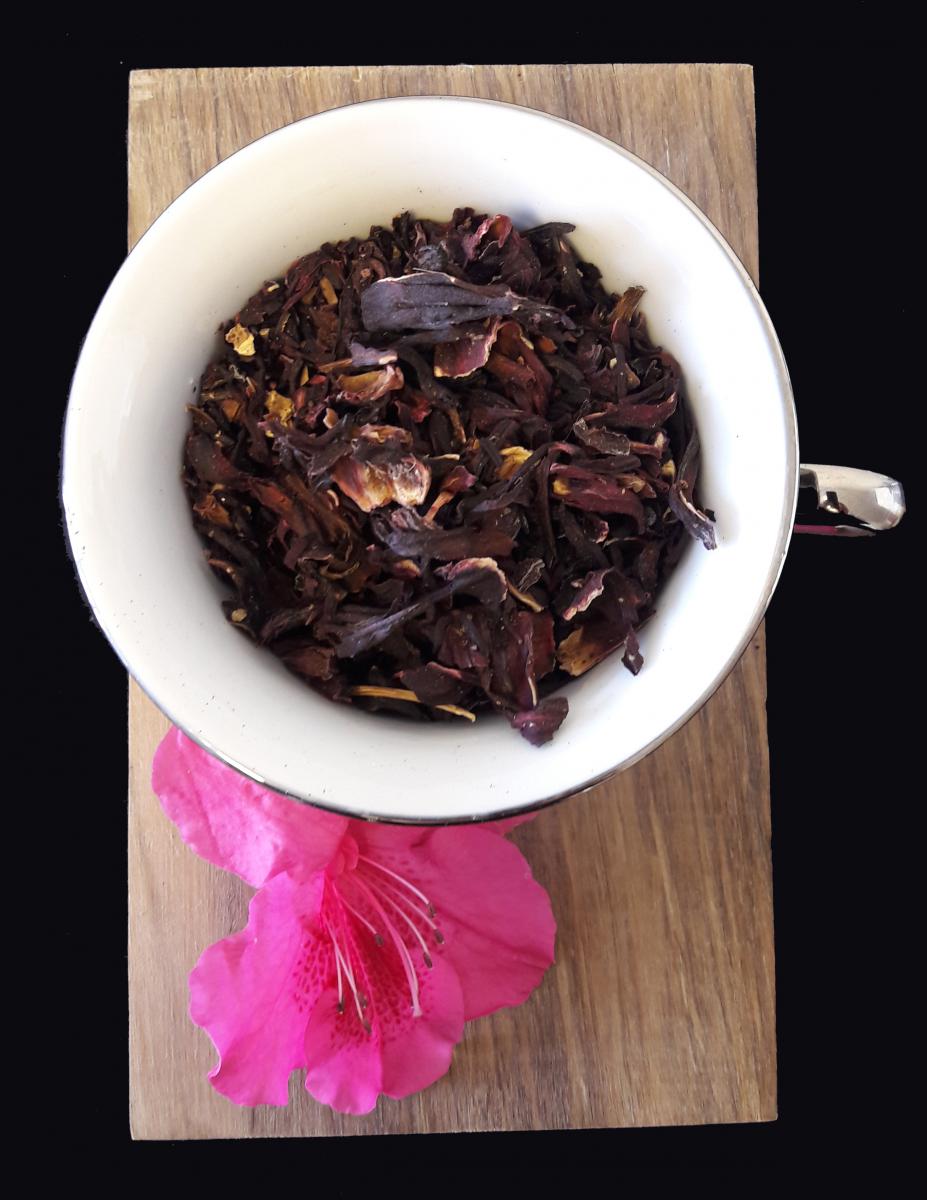
Teas/tisanes: Flower Hibiscus

Tart and tangy with a bright ruby red colour.  Delicious hot or cold or with honey.

Colour: ruby red
Aroma: floral, tart and tangy
Taste: tart and tangy (similar to cranberry juice)

Brew temp: 100 degrees
Brew time: 7min

Pair with: lavender shortbread and other confectionery.
Medicinal properties: Hibiscus has many health benefits - helps prevent hypertension, lowers blood pressure, reduces blood sugar levels, keeps liver healthy,  helps with menstrual cramps, helps with depression, aids digestion and helps with weight management.   High in Vit C, contains flavonoids and antioxidants that may help fight cancer.

Loose-leaf

R125,00
100 g

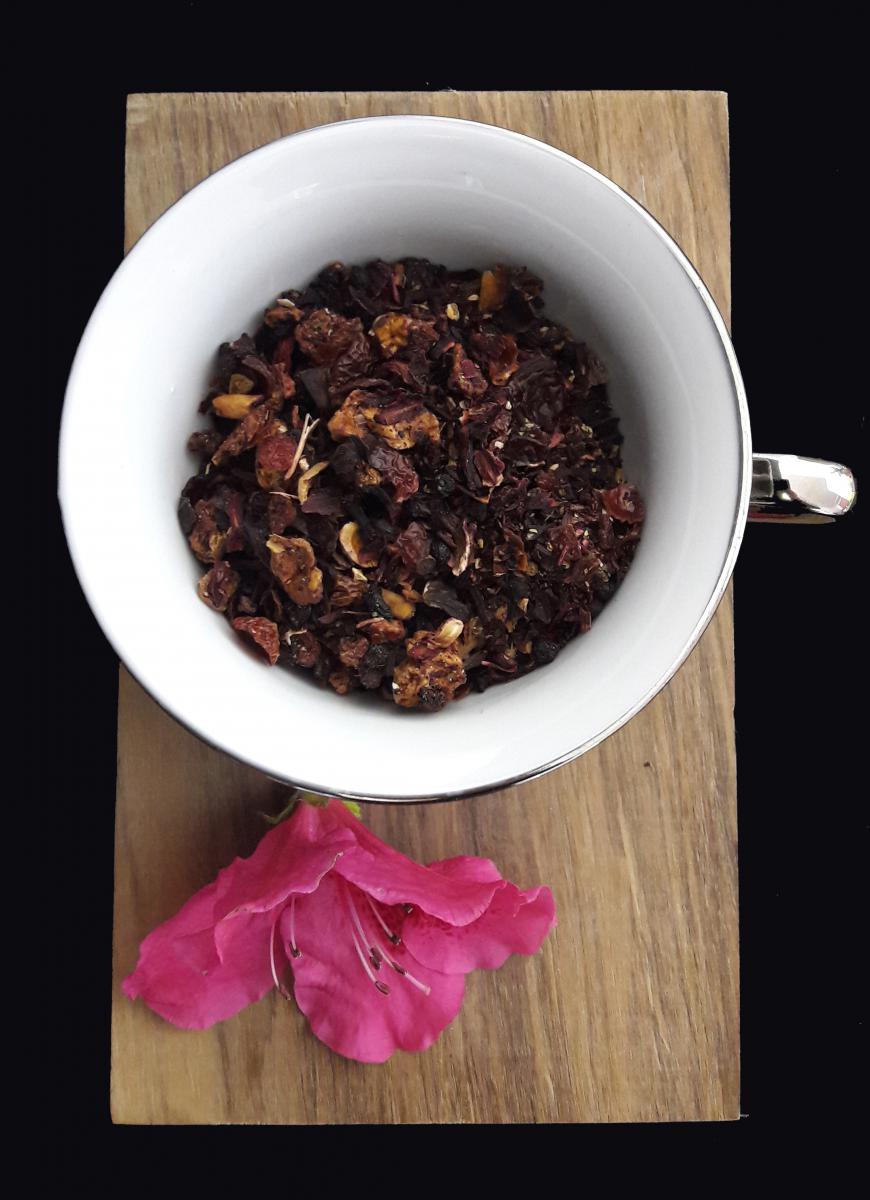
Teas/tisanes: Fruit Forest Berry

Blended with a selection of berries to create a cup of intense red, sweet and tangy fruit infusion. Delicious hot or as an iced tea.

Colour: raspberry red
Aroma: fruity, tart and sweet
Taste: fruity and tangy

Brew temp: 100 degrees
Brew time: 5-7min

Pair with: fresh fruit, fruit cake

Loose tea

R115,00
100 g

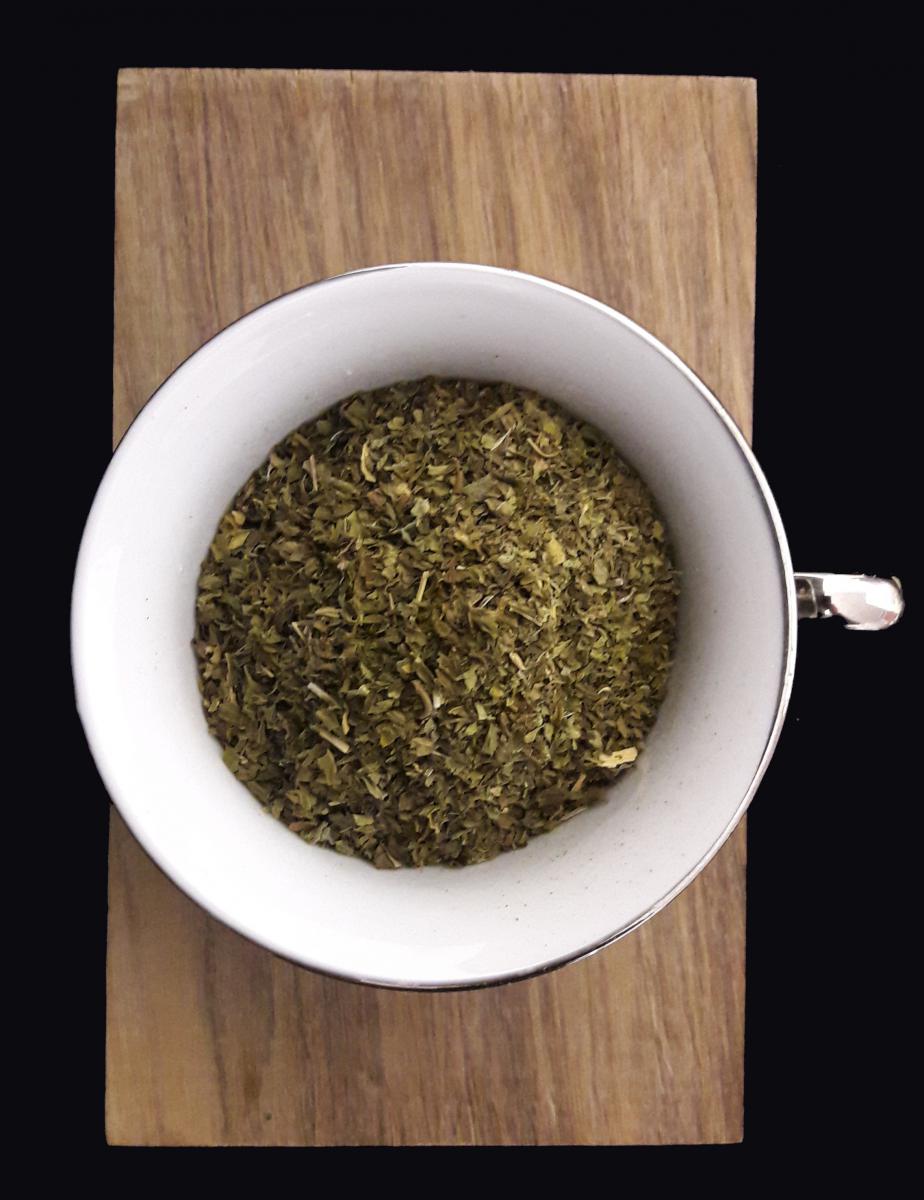
Teas/tisanes: Leaves Mint

Bright, fresh, refreshing, sweet, lingering and cool.

Colour: yellow-green
Aroma: fresh, sweet, bright, menthol
Taste: bright, fresh, sweet, lingering, cool  and refreshing.

Brew temp: 95 degrees
Brew time: 3-5min

Pair with: lemon meringue pie or chocolate
Medicinal uses: a fantastic aid for digestion.  Eases headaches. Good for nausea and flatulence. Soothes colds and can be used as a gargle.  Also great as a skin toner.

Loose-leaf

R80,00
100 g

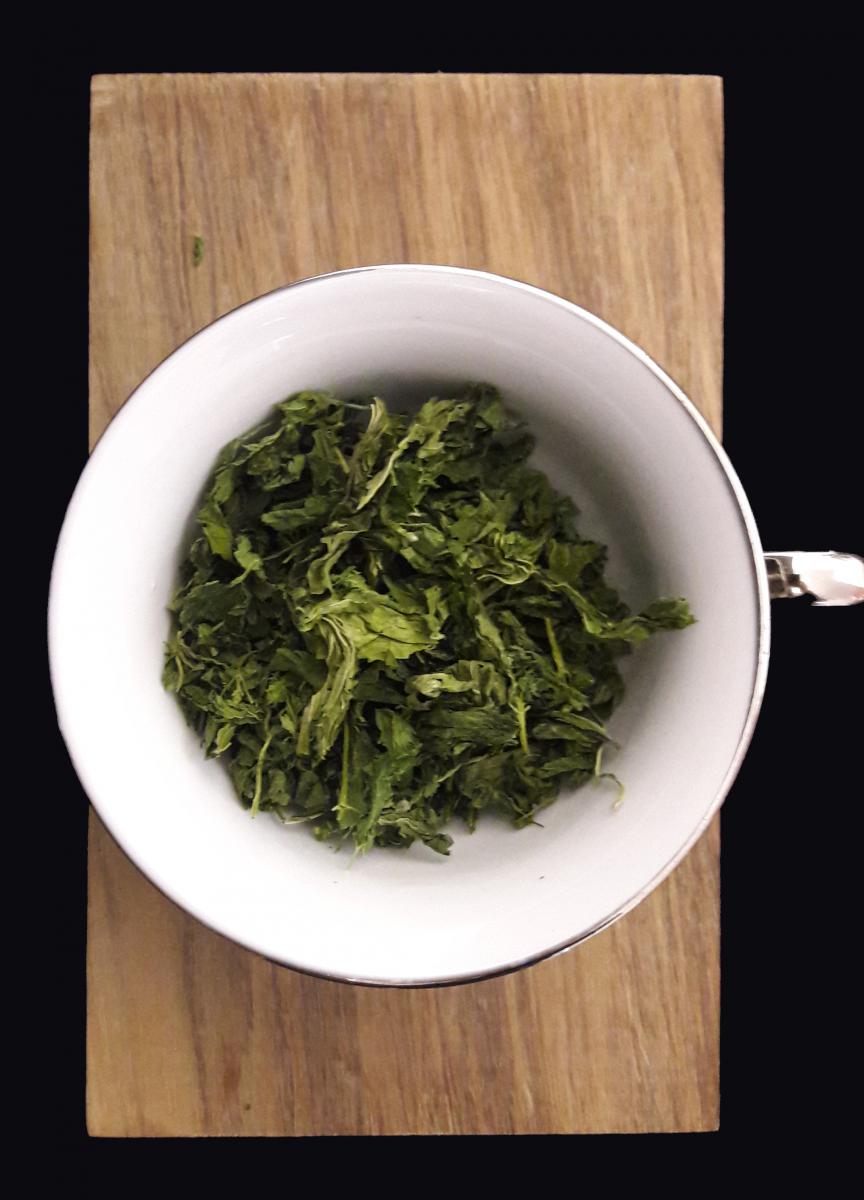
Teas/tisanes: Leaves Stinging Nettle

Herbaceous, rich, earthy and sweet. A herbal tea can made from the leaves of the stinging nettle plant.

Colour: clear, olive oil green-yellow
Aroma: slightly vegetal,  sweet
Taste: gentle, sweet, soothing, pleasant, slightly vegetal, full mouth-feel

Brew temp: 95 degrees
Brew time: 5-7min

Medicinal: Nettle has amazing health benefits. High in vitamins, minerals, fatty acids,  phytonutrients, amino acids, polyphenols and antioxidants.  It has many health benefits including respiratory, inflammation, blood pressure and blood sugar issues.  Fantastic as a detox tea.

Loose-leaf

R60,00
100 g

Green Teas

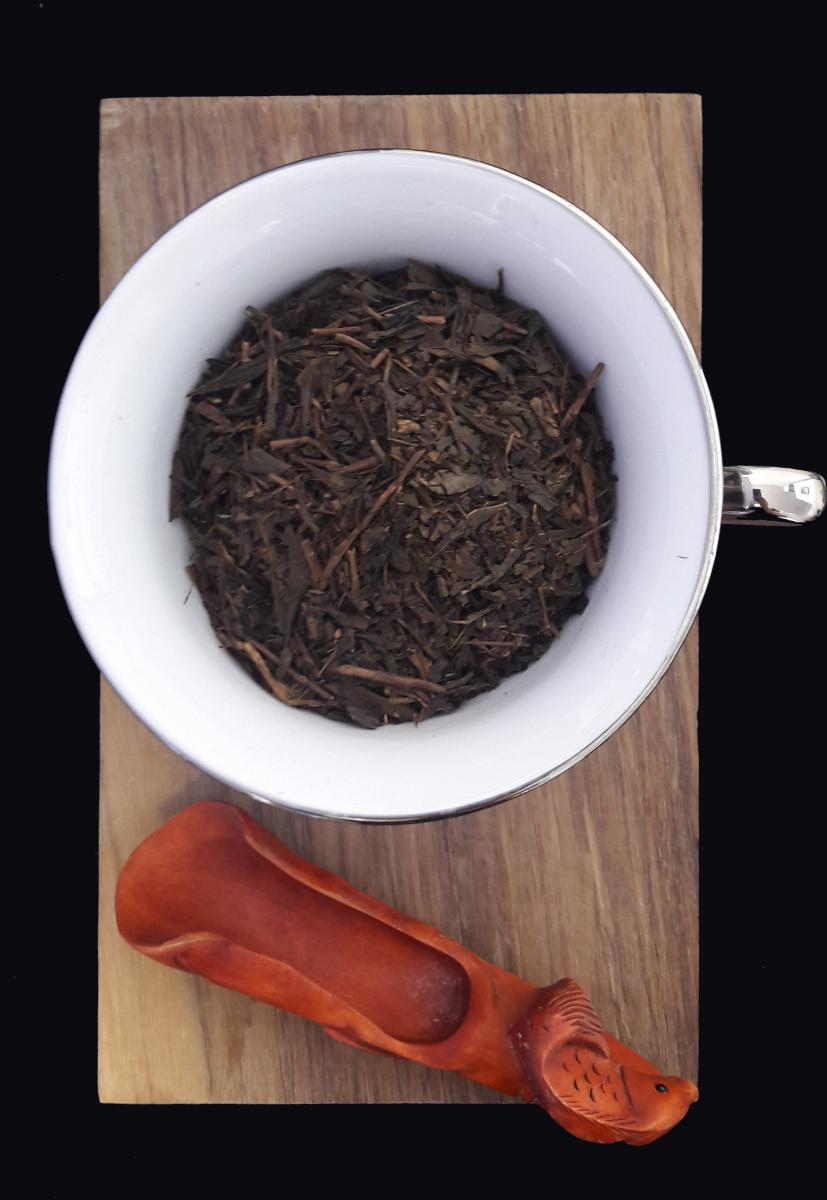
Teas: Green (roasted): Japanese Bancha Hojicha

Bancha is a classic Japanese large-leaf green tea made from the lower shoots of the tea bush. It contains less caffeine than Sencha teas that are made from young shoots.  The Bancha leaves are roasted at high temperatures until they become reddish-brown.  The flavour that develops is aromatic, full-bodied, with roasted and nutty notes.  Can be enjoyed with a slice of lemon or orange.

Colour: reddish-brown with greenish tinge
Aroma: deep nutty roastedness, similar to soba-cha
Taste: deliciously full-bodied, roasted flavours and nutty

Pair with: very versatile - ginger biscuits, spicy nuts, milk tart, rice & noodle dishes

Brew temp: 80
Brew time:  3min

Loose-leaf

R128,00
100 g

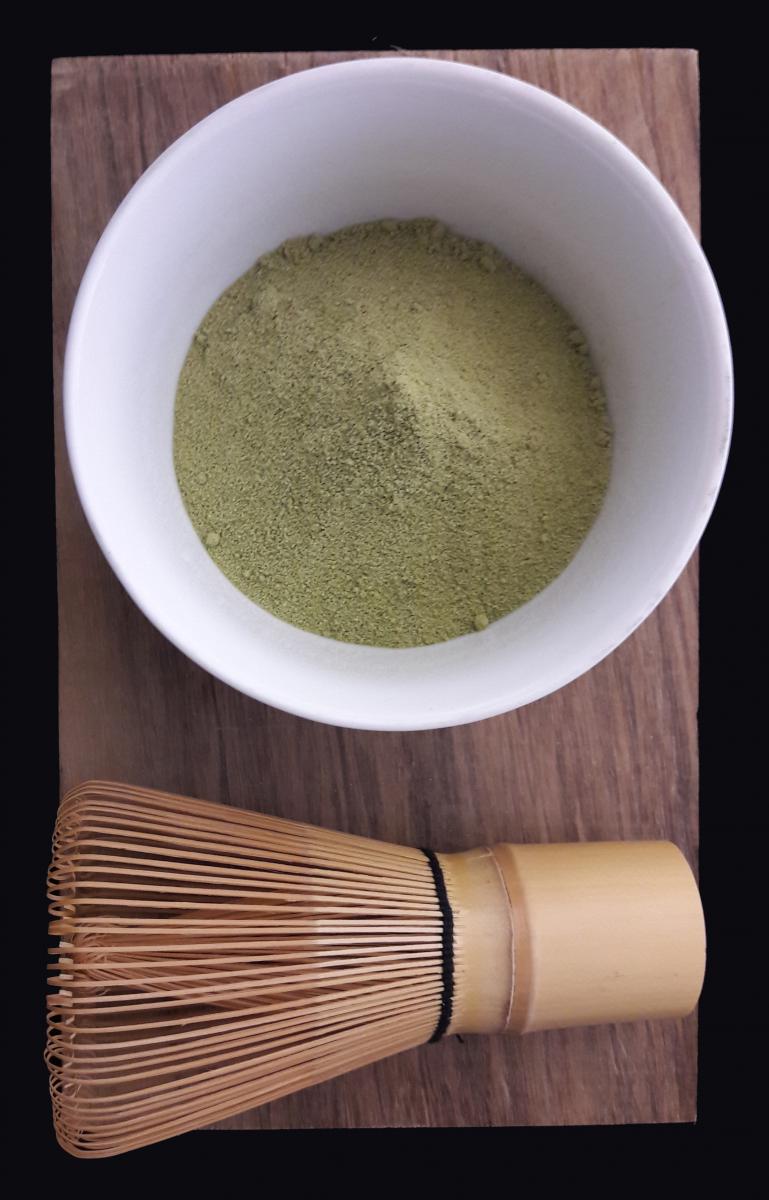
Teas: Green Matcha (Japanese Green Tea)

Shade-grown top buds are hand-picked to dry, then stone ground to reveal the ultra-greenness of the tea.

Colour: deep green
Aroma: herbaceous
Taste:  bitter with sweet grassiness

Brew temp: 80 degrees
Brew time:  3min

Pair with: can be used in confectionery
Medicinal: packed with anti-oxidants !

(chasen not included)

R125,00
50 g