Spices

Fresh whole and ground spices (non-irradiated & gluten-free)

Masalas: Red Leaf Masala

Culinary uses:
This medium-heat Indian masala (spice blend) is a blend of 12 different spices. Perfect for a curry, it  is very versatile and can be used for chicken, pork, lamb, beef and vegetable curries.

R20,00
50 g

Mustard Powder

Family name: Cruciferae
Botanical name: Brassica Alba

Culinary: used for mustard preparations, curry powders,  flavoured oils, salad dressings, mayonnaise and pastes.

Medicinal:  mustard baths and footbaths relieve muscle aches and pains.

R20,00
50 g

Mustard Seed (brown/black)

Family name: Cruciferae
Botanical name: Brassica Juncea/Nigra

Culinary: the seed has little or no smell but a hot taste and bite when prepared. Used in mustard preparations, condiments, dressings, mayonnaise, curry powders, pastes, sauces, flavoured oils, pickling, curries, rices and tadkas.  Slightly more bitter than its yellow counterpart.

Medicinal:  mustard baths and footbaths relieve muscle aches and pains.  It also relieves respiratory problems, rheumatism and a gargle relieves sore throats.


R20,00
50 g

Mustard Seeds (yellow)

Family name: Cruciferae
Botanical name: Brassica Alba

Culinary: the seed has little or no smell but a hot taste and bite when prepared.  Used in condiments, dressings, pastes, sauces, oils, pickling, curries, curry powders, pilau’s, baghar’s, tadka’s, spiced ghee, vegetable dishes, sprouts, dahl’s and mustard preparations.
 Slightly less  bitter than its brown counterpart.

Medicinal:  mustard baths and footbaths relieve muscle aches and pains.  It also relieves respiratory problems, rheumatism and a gargle relieves sore throats.

R20,00
50 g

Nigella / Kalonji

Family name: Ranunculaceae
Botanical name:  Nigella sativa

Culinary: it has a slightly peppery aroma when rubbed  and a herb-like taste similar to oregano or carrots.  Delicious sprinkled on naan bread.  Widely used in Indian and Middle Eastern cuisines, in breads, vegetable dishes, pickles, chutneys and dahls. It is one of the spices in panch phoron.

Medicinal: a stimulant and can be used to treat flatulence, indigestion and stomach disorders.

R25,00
50 g

Nutmeg (ground)

Family name: Myristicaceae
Botanical name: Myristica Fragrans

Culinary: aromatic, sweet and warm. Nutmeg can be used in sweet and savoury dishes and is a traditional flavouring for cakes, gingerbreads, biscuits, fruit and milk-based puddings. It can also be added to drinks such as mulled wine, eggnog and to hot milk drinks.  In savoury dishes, nutmeg is delicious in fillings for pasta, especially those using spinach and cheese, and it can be added to risotto, tomato sauce or sauces for fish and chicken pies. It is delicious freshly grated onto cauliflower and cheese, creamed spinach or onion sauce.

Medicinal use : an astringent and stimulant.

R20,00
25 g

Nutmeg (whole)

Family name: Myristicaceae
Botanical name: Myristica Fragrans

Culinary: aromatic, sweet and warm. Nutmeg can be used in sweet and savoury dishes and is a traditional flavouring for cakes, gingerbreads, biscuits, fruit and milk-based puddings. It can also be added to drinks such as mulled wine, eggnog and to hot milk drinks.  In savoury dishes, nutmeg is delicious in fillings for pasta, especially those using spinach and cheese, and it can be added to risotto, tomato sauce or sauces for fish and chicken pies. It is delicious freshly grated onto cauliflower and cheese, creamed spinach or onion sauce.

Medicinal use : an astringent and stimulant.

15g (3 x nutmegs per pack)

R20,00
15 g

Paprika

Botanical name: Solanaceae
Family name: Capsicum annum

Culinary: synonymous with Hungarian and Spanish cuisine.  It can be used in a wide variety of dishes, such as goulashes, stews, chicken dishes, rubs, marinades, charcuterie and sauces and comes in varying strengths, from mild to pungent and sweet with a hint of bitterness.

Medicinal: It offers a variety of beneficial compounds, including vitamin A, capsaicin and carotenoid antioxidants. These substances may help prevent inflammation and improve cholesterol, eye health and blood sugar levels, among other benefits..

R20,00
50 g

Paprika (smoked)

Botanical name: Solanaceae
Family name: Capsicum annum

Culinary uses: can be used in many dishes such as stews, paella, on potatoes, rubs and eggs dishes, as well as in charcuterie and sausages such as chourizo.

Medicinal: It offers a variety of beneficial compounds, including vitamin A, capsaicin and carotenoid antioxidants. These substances may help prevent inflammation and improve cholesterol, eye health and blood sugar levels, among other benefits..

R20,00
50 g

Peppercorn (black) (coarse)

Family name: Piperaceae
Botanical name: Piper Nigrum

Culinary uses: earthy, rich and strong. Used in savoury dishes and in almost all cuisines from around the world, including sweet dishes, such as fruit cakes, gingerbread, fruit and chai tea. Pepper is extremely versatile and one of the world’s favourite table condiments.

Medicinal: regarded as an appetite stimulant.

R25,00
100 g

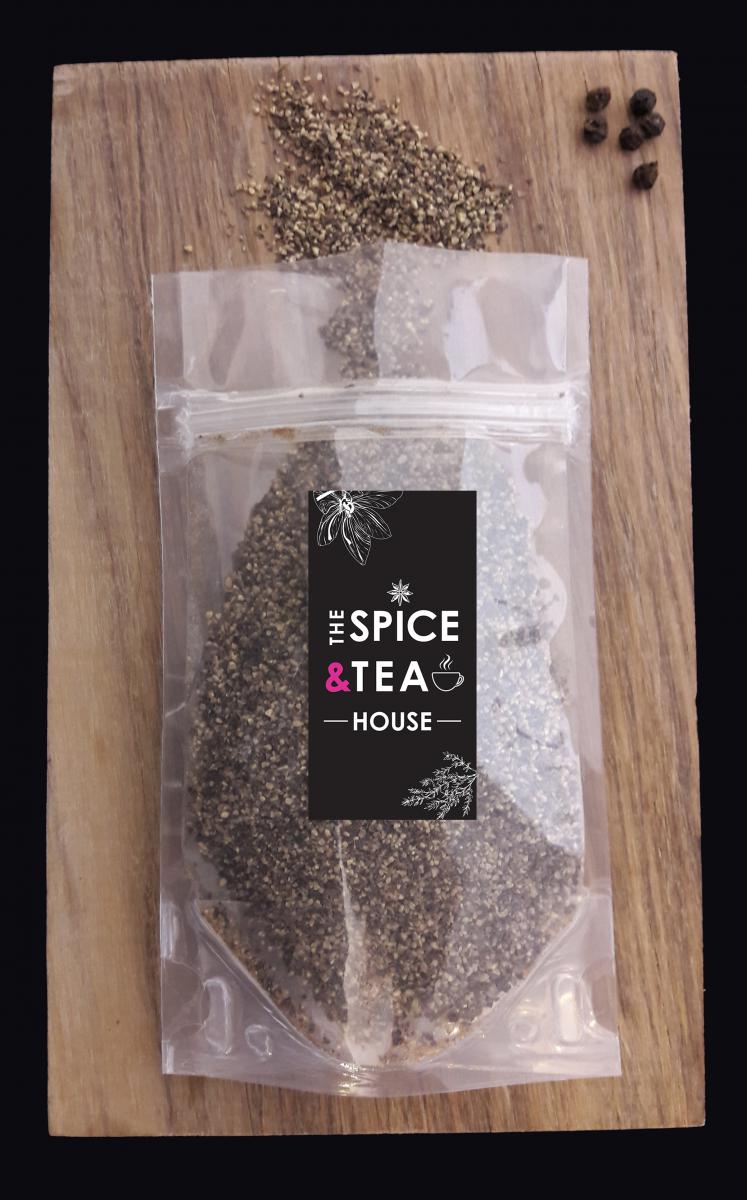
Peppercorn (black) (fine)

Family name: Piperaceae
Botanical name: Piper Nigrum

Culinary uses: earthy, rich and strong. Used in savoury dishes and in almost all cuisines from around the world, including sweet dishes, such as fruit cakes, gingerbread, fruit and chai tea. Pepper is extremely versatile and one of the world’s favourite table condiments.

Medicinal: regarded as an appetite stimulant.

R25,00
100 g

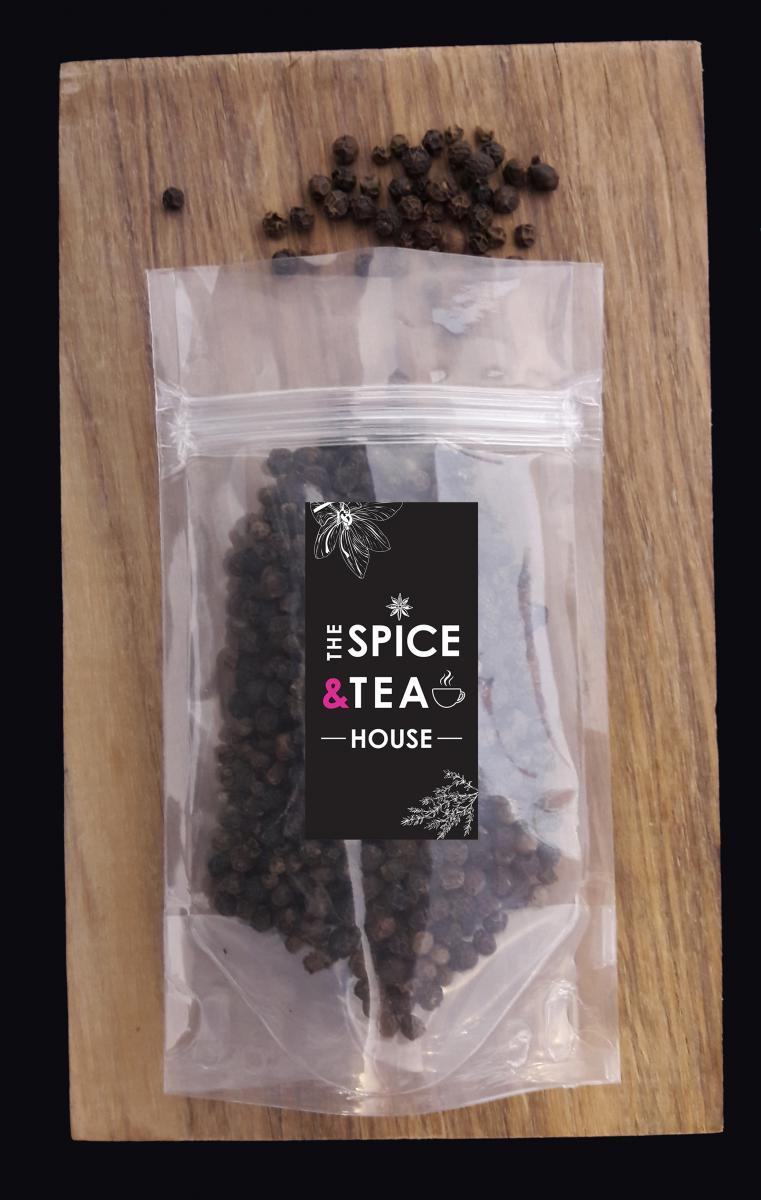
Peppercorn (black) (whole)

Family name: Piperaceae
Botanical name: Piper Nigrum

Culinary uses: earthy, rich and strong. Used in savoury dishes and in almost all cuisines from around the world, including sweet dishes, such as fruit cakes, gingerbread, fruit and chai tea. Pepper is extremely versatile and one of the world’s favourite table condiments.

Medicinal: regarded as an appetite stimulant.

R25,00
100 g

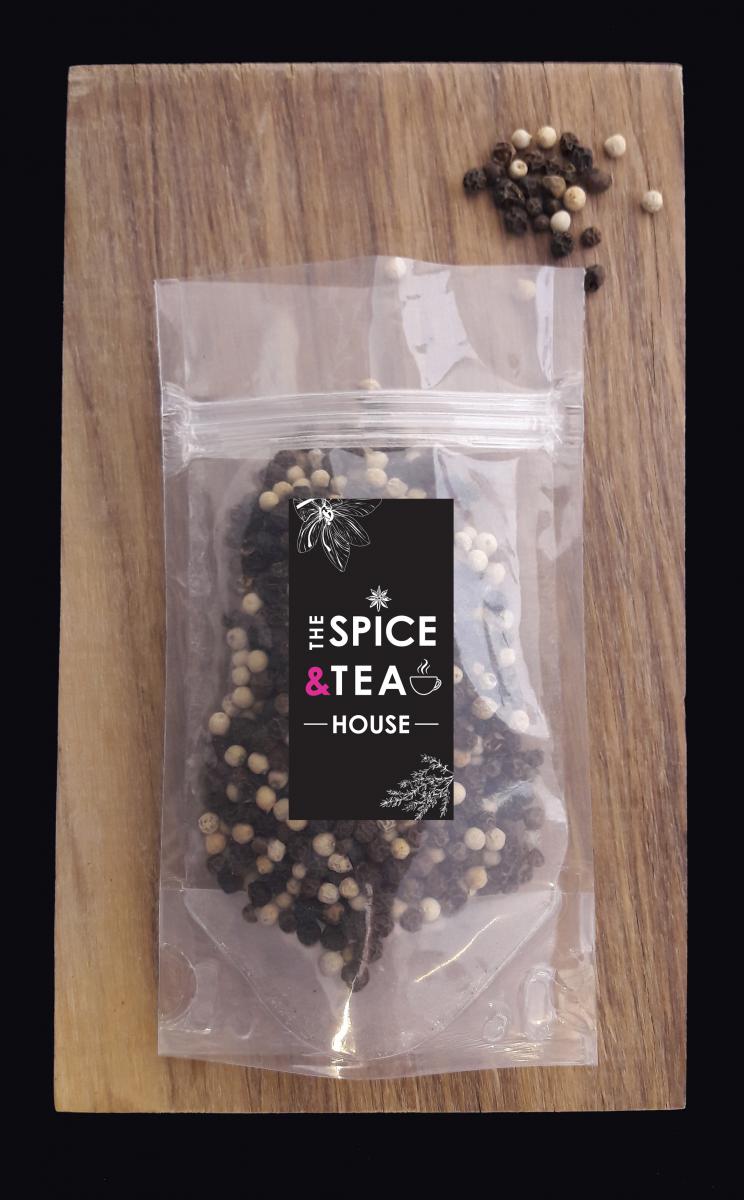
Peppercorn (Ebony & Ivory)

For a beautiful, sexy two-tone look in your pepper grinder.

Family name: Piperaceae
Botanical name: Piper nigrum

Culinary uses: Used in savoury dishes and in almost all cuisines from around the world, including sweet dishes. Pepper is extremely versatile and one of the world’s favourite table condiments.  Fantastic freshly cracked on, salads, vegetables, eggs, seared tuna, steak and chicken.


R45,00
100 g

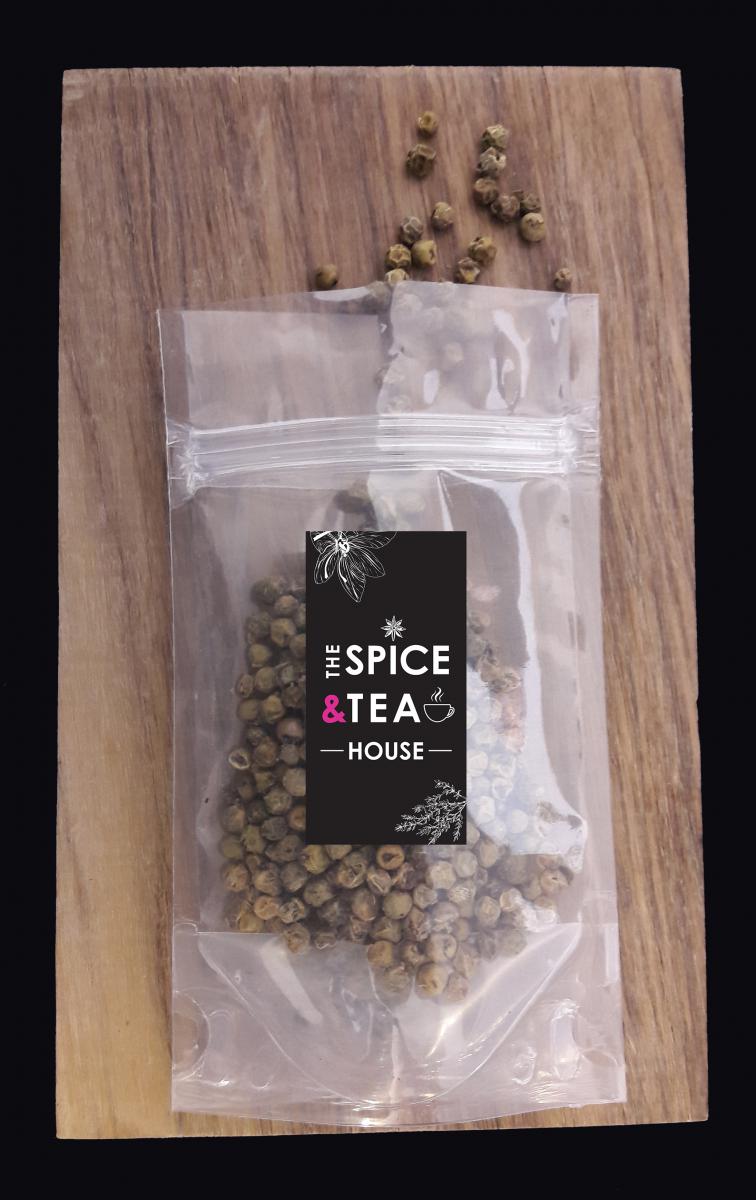
Peppercorn (green) (whole) (dried)

Family name: Piperaceae
Botanical name: Piper nigrum

Culinary uses:. Green peppercorns are unripe and not fully developed, hence, milder than black peppercorn. Great with steak, game dishes, duck, Thai cuisine, terrines, cream and butter sauces.

R45,00
50 g

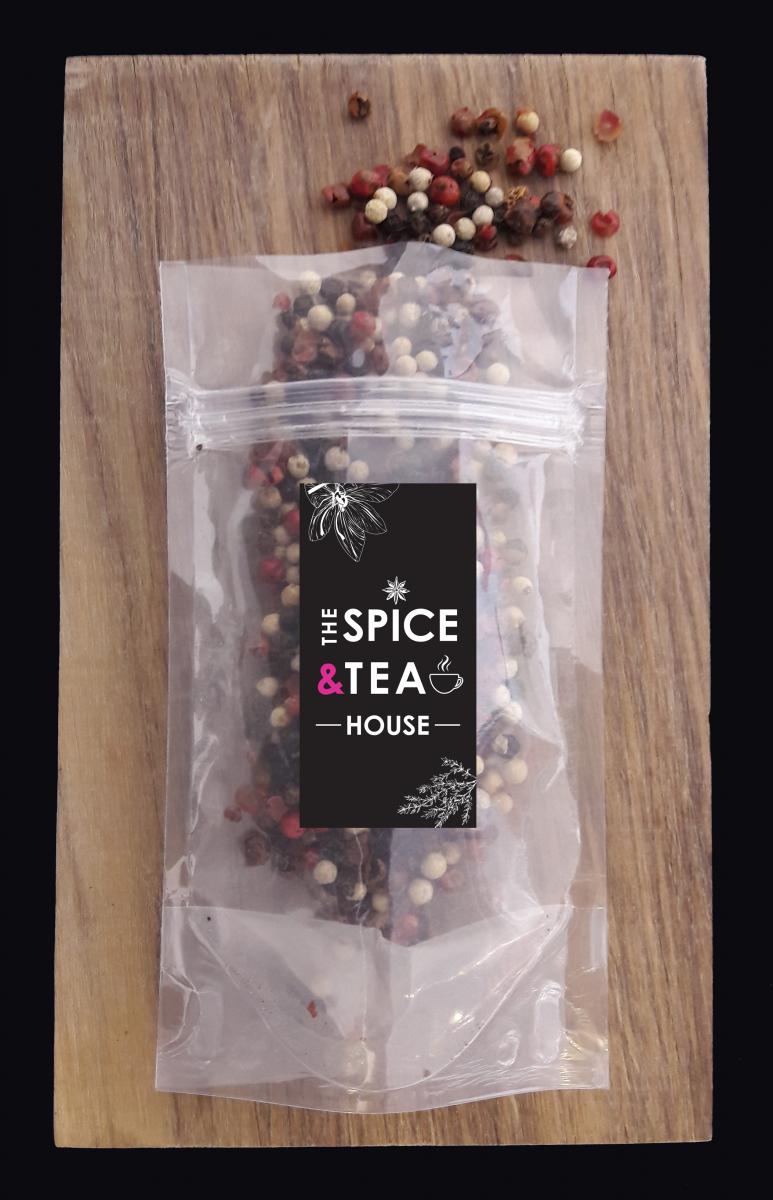
Peppercorn (Rainbow)

A beautiful, colourful medley of peppercorns for your grinder. Sexy !

Culinary: Used in savoury dishes and in almost all cuisines from around the world, including sweet dishes. Pepper is extremely versatile and one of the world’s favourite table condiments. Fantastic freshly cracked on salads, vegetables, eggs, seared tuna, steak and chicken.

R48,00
100 g

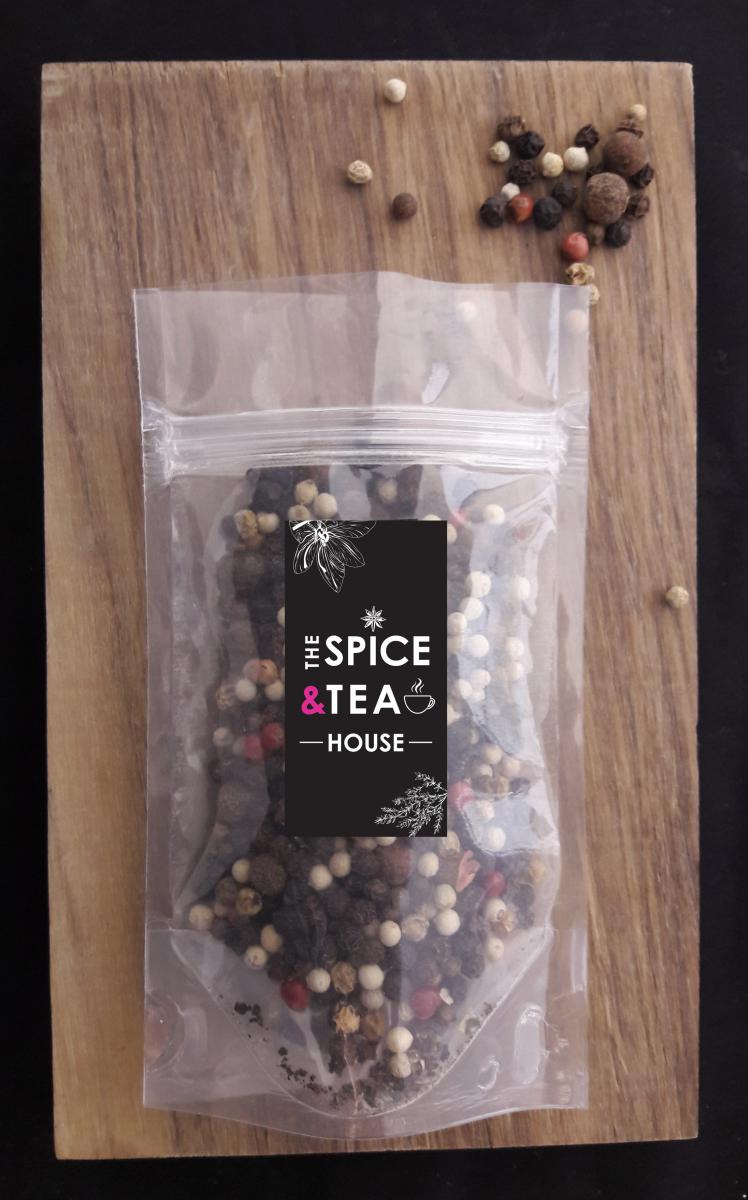
Peppercorn (Tropical/Caribbean)

A colourful and tasty medley of peppercorns and allspice for your grinder. Culinary: Used in savoury dishes and in almost all cuisines from around the world, including sweet dishes. Pepper is extremely versatile and one of the world’s favourite table condiments. Fantastic freshly cracked on salads, vegetables, eggs, seared tuna, steak and chicken.

R50,00
100 g

Peppercorn (white) (fine)

Family name: Piperaceae
Botanical name: Piper nigrum

Culinary uses: Milder than black pepper and with a different flavour profile.  Great in milk or cream sauces and mashed potatoes. Used in many savoury dishes and in almost all cuisines from around the world.  Pepper is extremely versatile and one of the world’s favourite table condiments.

R25,00
50 g

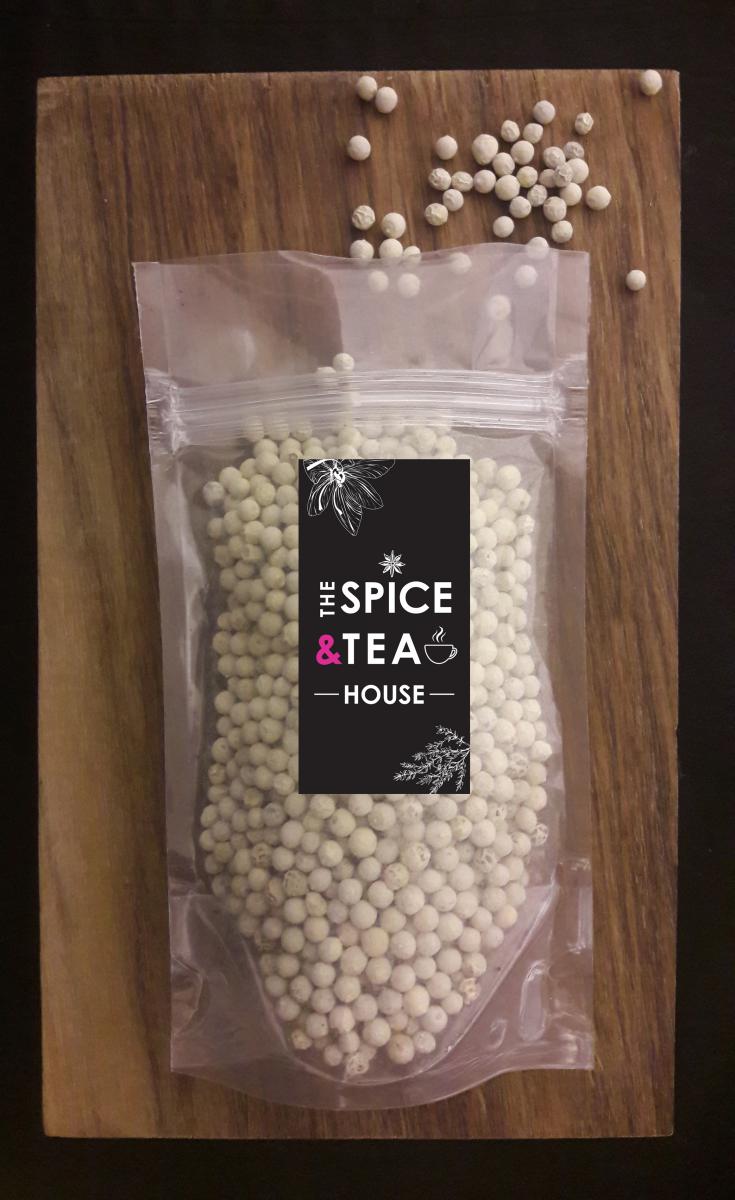
Peppercorn (white) (whole)

Family name: Piperaceae
Botanical name: Piper nigrum

Culinary uses: Milder than black pepper and with a different flavour profile.  Great in milk or cream sauces and mashed potatoes. Used in many savoury dishes and in almost all cuisines from around the world.  Pepper is extremely versatile and one of the world’s favourite table condiments.

R25,00
50 g

Saffron (Iranian)

Family name: Iridaceae
Botanical name: Crocus Sativus

The most expensive spice in the world due to it being very labour intensive.  Around 200,000 flowers have to be harvested to obtain just 450g of saffron using just the 3 bright, orange-red stigmas of the flower.

Culinary use: A delicate, yet distinctive smell, flavour with a striking  colour, its flavour ranges from floral, woody, sweet, earthy, honey-like and medicinal. You can smell it immediately even through packaging !

Use in rice dishes from the Mediterranean, like Spanish paella, Italian risotto, Indian celebratory pilaus and French bouillabaise.  It can also be used in sweet recipes, milk-based rice dishes, sweet custard desserts, cakes and breads. It is also one of the ingredients of the liqueur Chartreuse.

Medicinal use : high in specific antioxidants and other health benefits

R120,00
1 g

Salt (coarse) Himalayan

Chemical name : Sodium Chloride

Consisting of 98% sodium chloride, the rest of the salt is made up of trace minerals, such as potassium, magnesium, calcium, iron  and iron oxide. This gives the salt its light pink tint. These minerals also explain why Himalayan salt tastes a little different than regular table salt (which often has iodine added to it). Mined mostly in the Punjab province of Pakistan.

Culinary uses: salt is a mineral that has many culinary uses and is used widely all over the world to bring out the flavour in both sweet and savoury dishes. It is one the most popular table condiments besides pepper.  Odourless but strongly flavoured, it can also be used to preserve meat, fish and vegetables, in brining liquid, as a coating for chicken, as part of some spice blends and seasonings. Use sprinkled on bread and savoury biscuits before baking.

Medicinal uses: salt has many medicinal uses such as a salt gargle for a sore throat or sniffed up in the case of sinusitus.  It’s also good for tired feet and body.
Himalayan salt is said to have better benefits for the body than ordinary salt.

R35,00
1 kg

Salt: coarse (desert)

Chemical name : Sodium Chloride

Culinary uses: salt is a mineral that has many culinary uses and is used widely all over the world to bring out the flavour in both sweet and savoury dishes. It is one the most popular table condiments besides pepper.  Odourless but strongly flavoured, it can also be used to preserve meat, fish and vegetables, in brining liquid, as a coating for chicken, as part of some spice blends and seasonings. Use sprinkled on bread and savoury biscuits before baking.

Medicinal uses: salt has many medicinal uses such as a salt gargle for a sore throat or sniffed up in the case of sinusitus.  It’s also good for tired feet and body.


R35,00
250 g

Salt: Himalayan (fine)

Chemical name : Sodium Chloride

Consisting of 98% sodium chloride, the rest of the salt is made up of trace minerals, such as potassium, magnesium, calcium, iron  and iron oxide. This gives the salt its light pink tint. These minerals also explain why Himalayan salt tastes a little different than regular table salt (which often has iodine added to it). Mined mostly in the Punjab province of Pakistan.

Culinary uses: salt is a mineral that has many culinary uses and is used widely all over the world to bring out the flavour in both sweet and savoury dishes. It is one the most popular table condiments besides pepper.  Odourless but strongly flavoured, it can also be used to preserve meat, fish and vegetables, in brining liquid, as a coating for chicken, as part of some spice blends and seasonings. Use sprinkled on bread and savoury biscuits before baking.

Medicinal uses: salt has many medicinal uses such as a salt gargle for a sore throat or sniffed up in the case of sinusitus.  It’s also good for tired feet and body.
Himalayan salt is said to have better benefits for the body than ordinary salt.

R35,00
1 kg

Salt: Koshering Salt

Chemical name : Sodium Chloride

Koshering salt has bigger granules and no anti-caking agents or added iodine.

Culinary uses: salt is a mineral that has many culinary uses and is used widely all over the world to bring out the flavour in both sweet and savoury dishes. It is one the most popular table condiments besides pepper.  Odourless but strongly flavoured, it can also be used to preserve meat, fish and vegetables, in brining liquid, as a coating for chicken, as part of some spice blends and seasonings. Use sprinkled on bread and savoury biscuits before baking.

Medicinal uses: salt has many medicinal uses such as a salt gargle for a sore throat or sniffed up in the case of sinusitus.  It’s also good for tired feet and body.


R28,00
1 g

Seasoning : Chinese salt & pepper

This seasoning is a combination of sichuan peppercorn, spices & desert salt.
 
Culinary uses: Can be used as a seasoning to roast crispy duck, chicken or pork or used as a seasoning dip for vegetarian springrolls.

R45,00
50 g

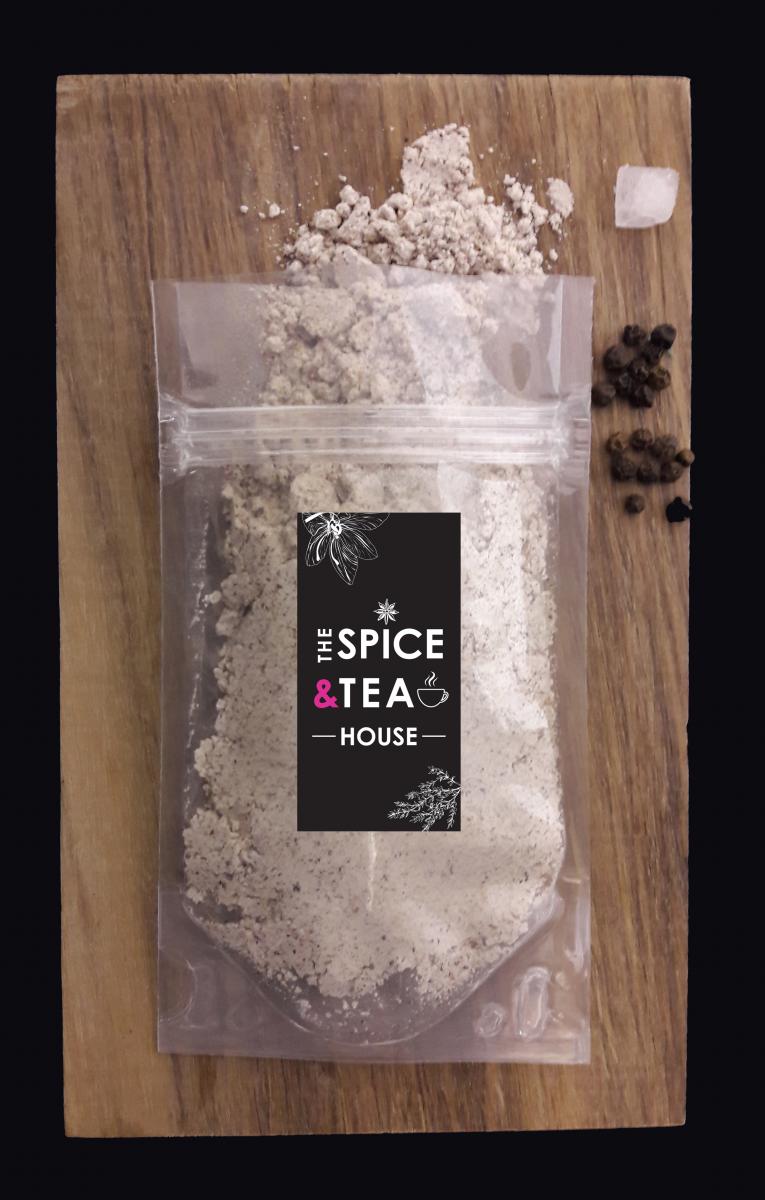
Seasoning: salt & pepper mix (fine)

This seasoning is a mix of desert salt & black pepper for easy use.

Culinary uses: can be used on many dishes eg : boiled eggs and perfect accompaniment for padkos, camping or glamping.

R35,00
50 g

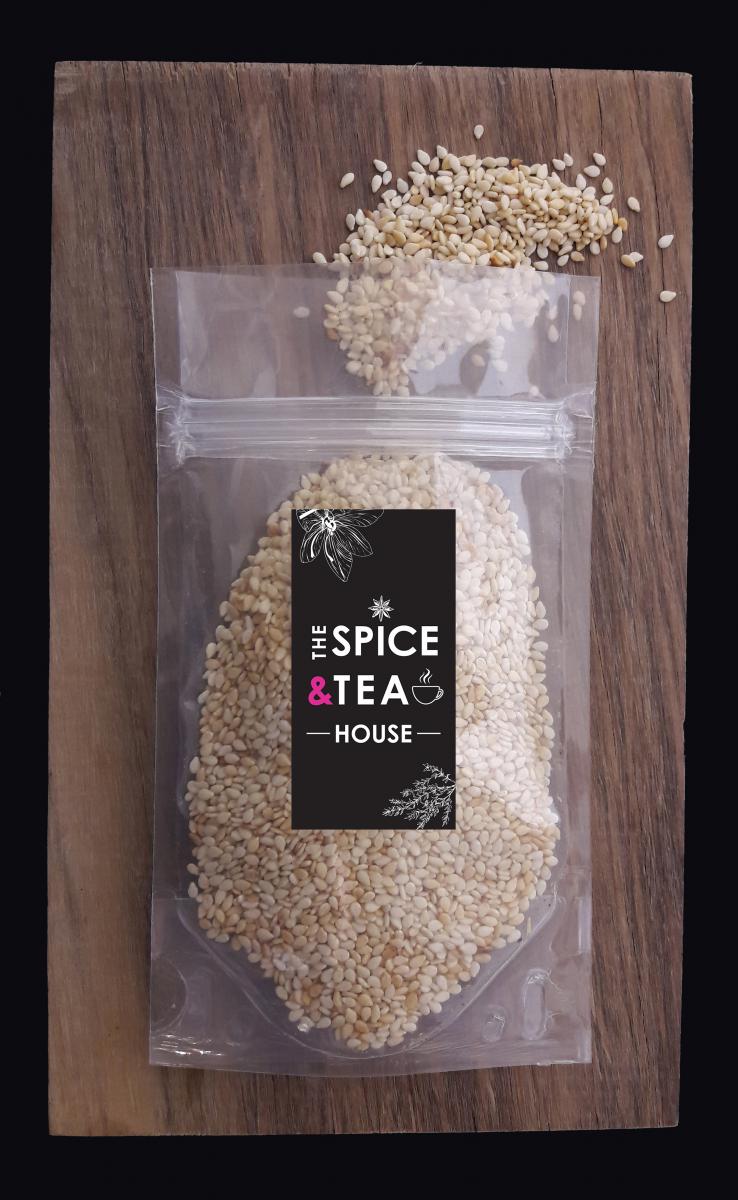
Sesame seed (unroasted)

Family name: Pedaliaceae
Botanical name: Sesamum indicum, syn S. Orientale

Interestingly, sesame probably originated in Africa.

Palate and nose: little aroma but when roasted a mild, sweet and nutty aroma and flavour appears.

Culinary use: sprinkle on salads, avocado, vegetables, rice, sushi, on prawn toast or prawn balls, on chicken, to coat foods before cooking, in or on stir-fries, in dressings for salads, on fruit and in fruit salads, in or on sweet and savoury biscuits, cakes and breads.  It’s also used to make tahini.  Widely used in the Middle East, South East Asia, Japan, Singapore, China and the Mediterranean, Greece and Turkey. Also used on or in a wide variety of confectionery, such as halva and ice-cream.  The oil can be used for cooking, dressings or sauces.


R115,00
1 kg

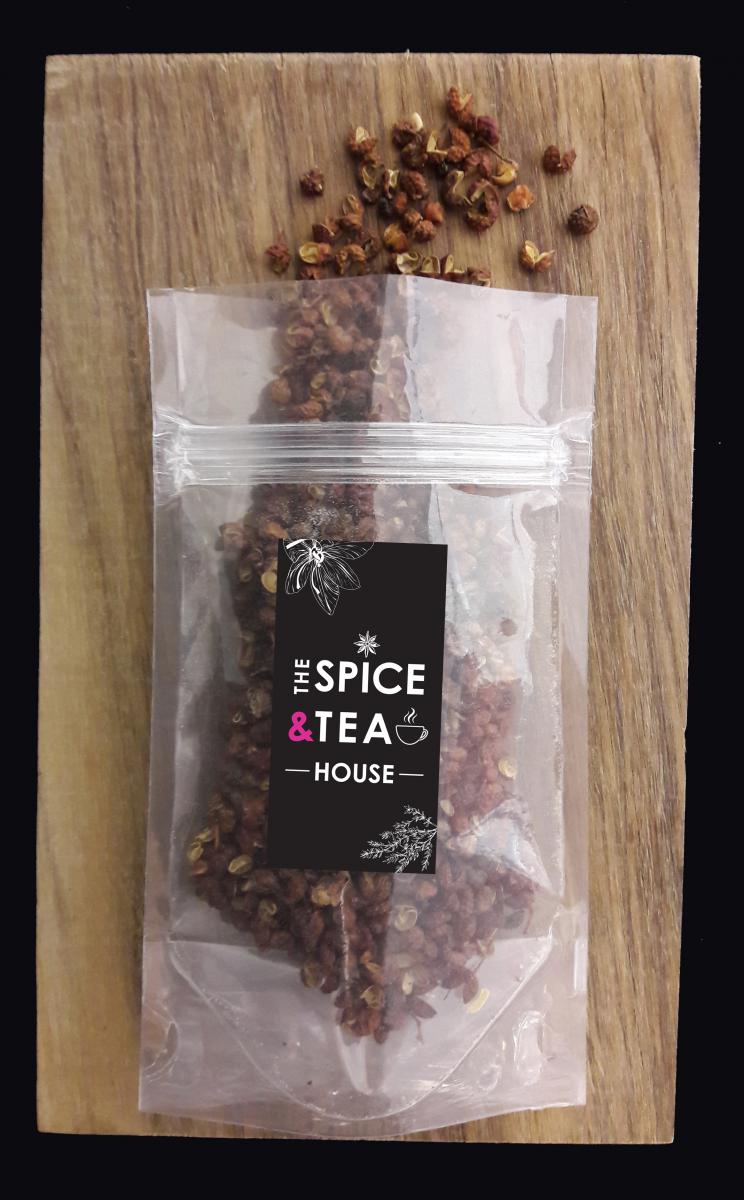
Sichuan peppercorn

Family name: Rutaceae
Botanical name: Zanthoxylum piperitum syn. Xanthoxylum piperatum

An aromatic rust-red berry from the prickly ash tree.

Aroma and flavour: Sichuan has a pronounced spicy-woody aroma with a hint of citrus and a numbling, slightly peppery rather than sharp or bitter taste.

Culinary uses: used extensively in Chinese cuisine and is one of the five ingredients in Chinese 5-spice.  Great with pork, duck and chicken. It is also used in Japanese shichimi togarashi.

Medicinal: is a stimulant and good for blood, digestion and rheumatism.

R35,00
50 g

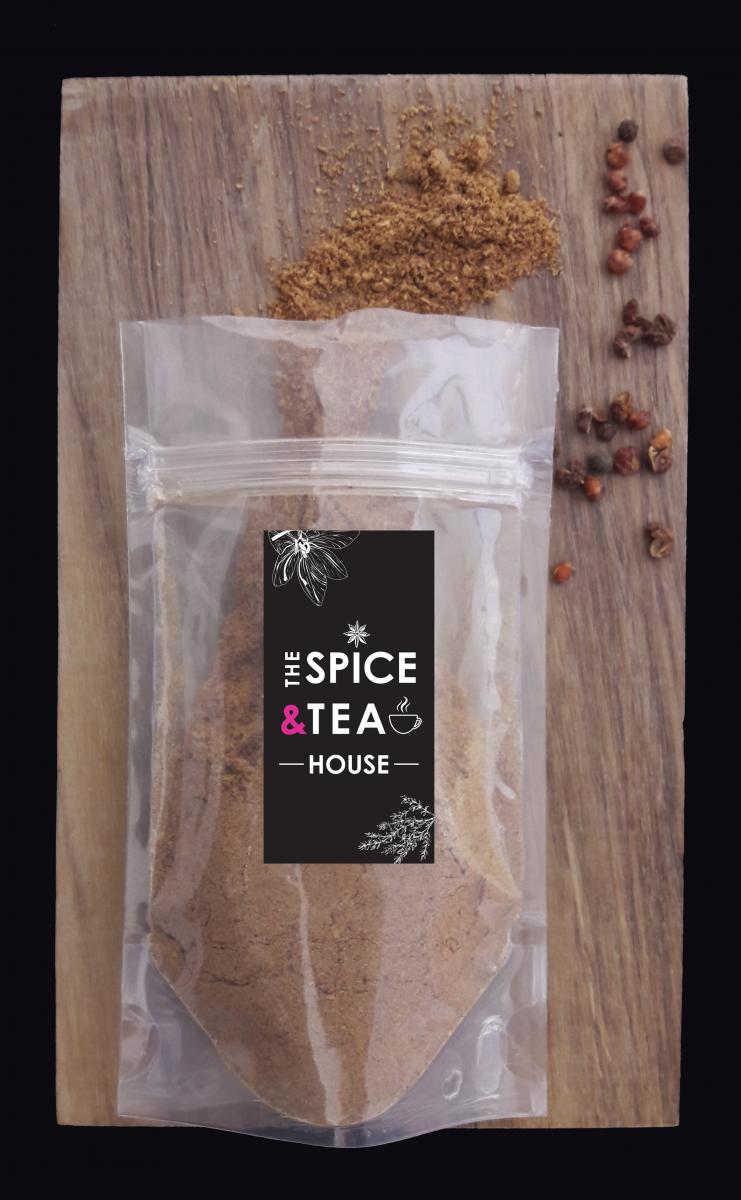
Sichuan peppercorn (ground)

Family name: Rutaceae
Botanical name: Zanthoxylum piperitum syn. Xanthoxylum piperatum

An aromatic rust-red berry from the prickly ash tree.

Aroma and flavour: Sichuan has a pronounced spicy-woody aroma with a hint of citrus and a numbling, slightly peppery rather than sharp or bitter taste.

Culinary uses: used extensively in Chinese cuisine and is one of the five ingredients in Chinese 5-spice.  Great with pork, duck and chicken. It is also used in Japanese shichimi togarashi.

Medicinal: is a stimulant and good for blood, digestion and rheumatism.

R45,00
25 g

Herbs

Freshly dried whole & rubbed herbs

Mixed herbs

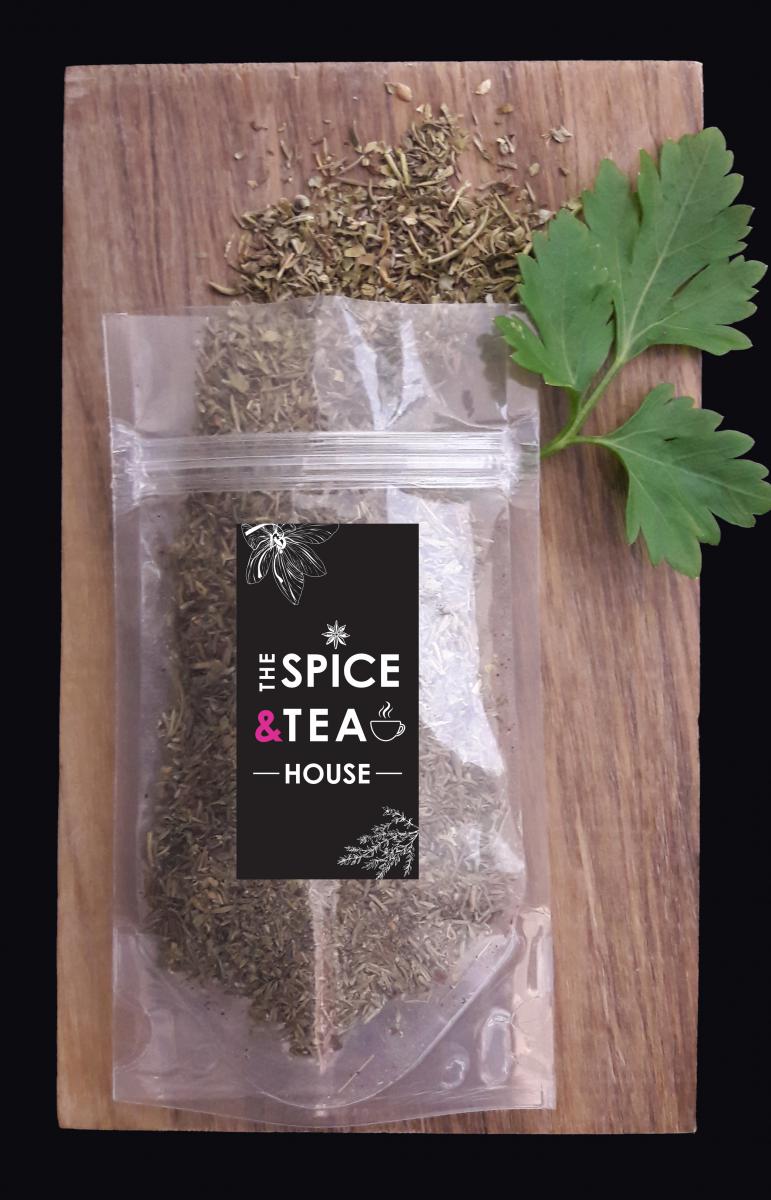
Mixed herbs is a mix of different dried herbs, ready for use. The mix includes basil, marjoram and oregano.
Culinary uses:  great for seasoning pasta sauces, soups, stews, stuffing, breads, cheeses, eggs, omelettes, marinades, butter, salad dressings, stocks, vinegars, vinaigrettes or using as a garnish.


R20,00
25 g

Black Teas

Oolong (Classic) (Taiwan)

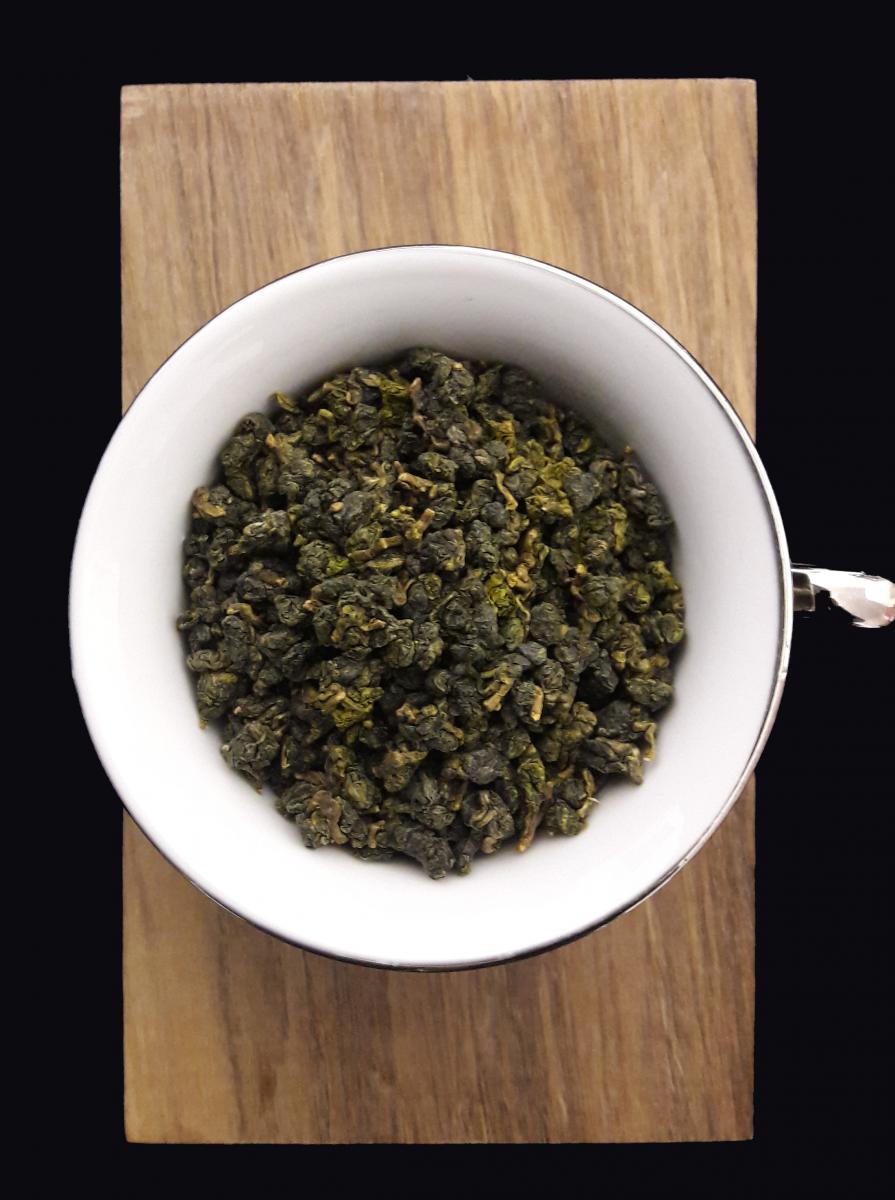
Black tea is fully fermented/oxidised and green tea leaves are not, hence the colour.  Oolong falls between the two and is, therefore, partially oxidised or semi-fermented, before twisting and curling. It falls, therefore, between a green and a black tea and can be crafted at the green tea end or the black tea end.  It’s a fascinating and complex tea, depending on style, skill and terroir, just like wine.
Some of the best oolong comes from Taiwan.  

Colour: olive oil, yellow-green
Aroma: roasted, nutty
Taste: toasted nuttiness

Pair with: Chinese, Taiwanese and Asian cuisine, dim sum.

Brew temp: 90 degrees
Brew time:  anything from 3min to 7 min + .  It varies greatly on the style in which it is made and terroir.  Usually though, oolong is a little shy and takes a while for its flavours to develop. You can enjoy multiple infusions.
Not recommended for tea balls, as the leaves need room to unfurl and become quite large.  Appreciate them in the cup or pot.

Loose-leaf

R169,00
100 g